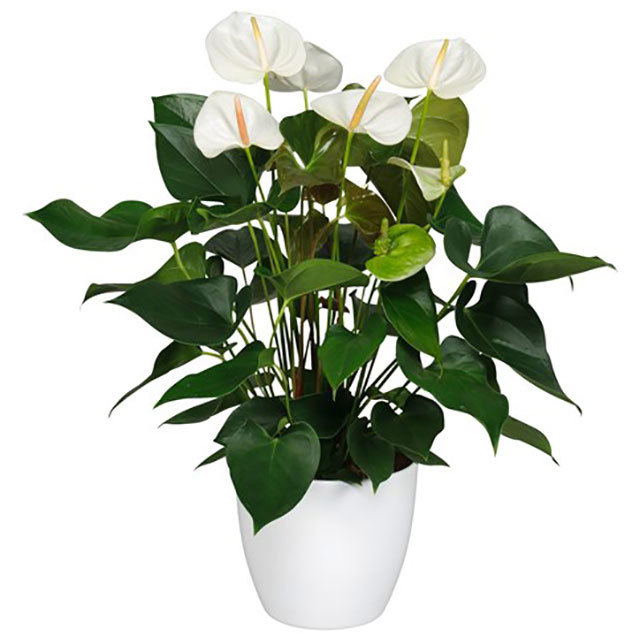
Anthurium andraeanum Sumi Yellow Leaves
eco Yellow Leaves

Anthurium andraeanum Sumi – Yellow Leaves

Why does your Anthurium andraeanum Sumi have yellow leaves? Diagnose the cause and fix it with our step-by-step guide.

search Possible Causes

error

Overwatering and Root Rot

Anthuriums are highly sensitive to moisture; saturated soil deprives roots of oxygen, leading to Pythium or Phytophthora fungal pathogens. This prevents the plant from transporting nutrients, causing older leaves to turn yellow and eventually drop.

Very Common
lightbulb
How to confirm: Stick your finger two inches into the soil; if it feels soggy or smells musty, the roots are likely suffocating.
build How to fix it
shopping_cart Recommended Products
1 Immediately remove the plant from its current pot to inspect the roots; trim away any mushy, black, or foul-smelling roots using sterilized shears.
2 Repot the Anthurium in a fresh, highly aerated medium to prevent future saturation; a mix containing Legigo Organic Leca Clay Pebbles (ID: 755) or Perlite (ID: 732) will improve drainage and oxygen flow.
3 Switch to a well-draining container with a drainage tray, such as a Root & Vessel Matte Black Cylinder Pot (ID: 6), and use a moisture meter (ID: 469) to ensure the soil is only watered when the top inch is dry.
error

Nutrient Deficiency (Nitrogen)

The Sumi variety requires consistent micronutrients to maintain its dark foliage. A lack of nitrogen prevents chlorophyll production, leading to a uniform yellowing of the leaf blades starting from the older growth.

Very Common
lightbulb
How to confirm: Check if the yellowing is spreading uniformly across older leaves and consider applying a balanced liquid fertilizer.
build How to fix it
shopping_cart Recommended Products
1 Apply a nitrogen-rich liquid fertilizer to boost chlorophyll production and restore the dark foliage color.
2 Check the soil moisture levels using a moisture meter to ensure nitrogen uptake isn't being hindered by overwatering.
3 Inspect the plant for any signs of root rot, which can mimic nitrogen deficiency symptoms by preventing nutrient absorption.
warning

Improper Humidity Levels

As tropical plants, Anthuriums require high humidity (above 60%). Low ambient humidity causes physiological stress that can manifest as yellowing and crispy edges on the leaf margins.

Common
lightbulb
How to confirm: Use a hygrometer to check your room's humidity; if it is below 50%, the plant is likely under environmental stress.
build How to fix it
shopping_cart Recommended Products
1 Increase ambient humidity around the plant by using a pebble tray or a humidifier to maintain levels above 60%.
2 Mist the foliage regularly with a fine spray to provide immediate moisture to the leaves.
3 Monitor soil moisture closely to ensure the plant is not also suffering from overwatering, which can mimic yellowing symptoms.
warning

Light Stress (Sunburn)

While Sumi loves bright light, direct afternoon sunlight can scorch the tissues. This damage often presents as yellow or bleached patches on the leaves that were directly exposed to the sun.

Common
lightbulb
How to confirm: Observe if the yellow spots are localized on parts of the leaf that face a window or intense light source.
build How to fix it
shopping_cart Recommended Products
1 Move your Anthurium to a location with bright, indirect light, away from direct afternoon sun rays to prevent further scorching.
2 Monitor the soil moisture levels closely using a moisture meter to ensure the plant remains hydrated without becoming waterlogged during its recovery.
3 If the plant shows signs of weakness from the stress, apply a diluted liquid seaweed fertilizer to help boost nutrient uptake and promote recovery.

Other Anthurium andraeanum Sumi problems

Your plant might also be experiencing one of these issues:

local_hospital All symptoms eco All plants with yellow leaves
favorite