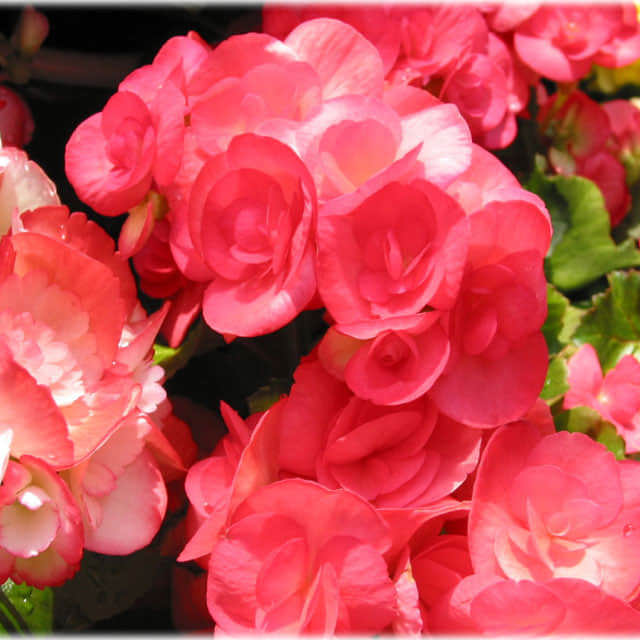
Why does your Begonia tuberhybrida have drooping leaves? Diagnose the cause and fix it with our step-by-step guide.
Tuberous begonias rely on consistent moisture levels; when the growing medium dries out completely, the plant loses turgor pressure in its fleshy leaves. This is especially common if the tuber has entered a forced growth phase without adequate hydration.
Excessive moisture in the substrate leads to anaerobic conditions, causing fungal pathogens like Pythium to decay the tuberous roots. As roots die, they can no longer transport water to the leaves, resulting in drooping that mimics dehydration.
Begonia tuberhybrida is highly sensitive to temperatures below 55°F (13°C). Cold soil or sudden drafts can cause physiological shock, leading to temporary leaf limpness and metabolic slowdown.
A lack of available nitrogen prevents the production of chlorophyll and structural cell components. This leads to weakened leaf structures that cannot hold their weight against gravity.
Your plant might also be experiencing one of these issues:

 English
 Italiano