Beta vulgaris Yellow Leaves
eco Yellow Leaves

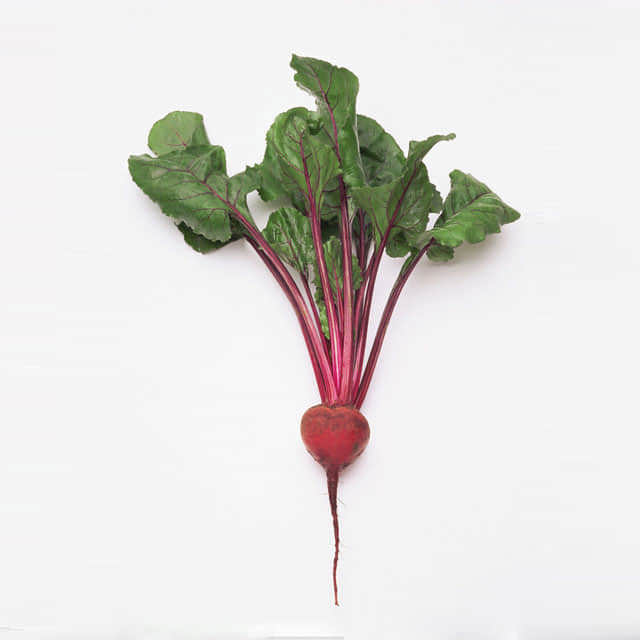
Beta vulgaris – Yellow Leaves

Why does your Beta vulgaris have yellow leaves? Diagnose the cause and fix it with our step-by-step guide.

search Possible Causes

error

Nitrogen Deficiency

Nitrogen is a mobile nutrient; when lacking, the plant redirects it from older leaves to new growth, causing uniform yellowing starting with the bottom leaves. Beetroots have high nitrogen demands for leaf and root development.

Very Common
lightbulb
How to confirm: Observe if the yellowing started on the oldest, lowest leaves while the newer leaves remain green.
build How to fix it
shopping_cart Recommended Products
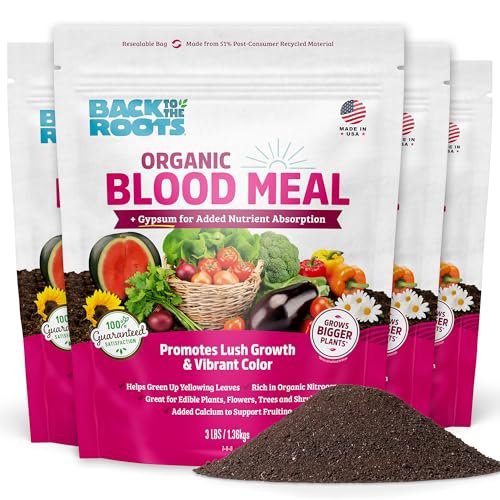
1 Apply a nitrogen-rich organic fertilizer to boost foliage and root development.
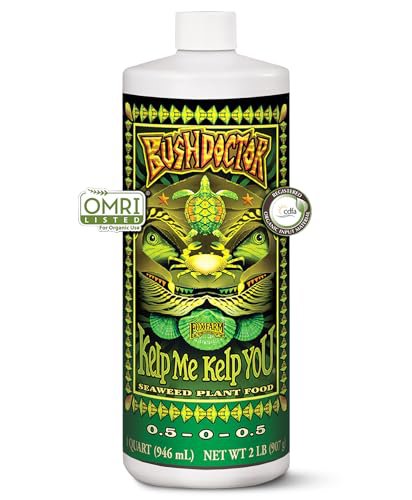
2 Supplement with a liquid seaweed fertilizer to enhance nutrient uptake and overall plant vigor.
3 Ensure the soil is well-aerated by mixing in organic perlite to prevent nutrient lockout caused by compaction.
error

Waterlogging/Root Rot

Excessive soil moisture deprives roots of oxygen, leading to physiological stress and chlorosis. In Beta vulgaris, this often manifests as yellowing accompanied by wilting or soft stem bases.

Very Common
lightbulb
How to confirm: Press the soil near the base of the plant; if it is muddy and smells sour, drainage is likely the issue.
build How to fix it
shopping_cart Recommended Products
1 Immediately improve soil drainage by repotting the plant in a well-aerated medium containing perlite to prevent further oxygen deprivation.
2 Monitor soil moisture levels closely using an analog meter to ensure the soil is not staying saturated, which will help prevent future waterlogging.
3 Prune any soft, mushy, or heavily yellowed leaves to reduce the plant's metabolic demand and prevent fungal spread.
warning

Iron Chlorosis

In alkaline soils (high pH), iron becomes chemically unavailable to the beet. This results in interveinal chlorosis where the leaf tissue turns yellow but the veins remain dark green.

Common
lightbulb
How to confirm: Check if the yellowing is restricted to the spaces between the veins, specifically on newer growth.
build How to fix it
shopping_cart Recommended Products
1 Lower the soil pH by applying an acidifying amendment to make iron more bioavailable to the roots.
2 Apply a chelated iron supplement or a balanced liquid fertilizer to provide immediate nutrient uptake.
3 Monitor soil acidity levels regularly using a pH tester to ensure the environment remains in the ideal range for beetroots.
warning

Beet Cyst Nematode (Meloidogyne spp.)

Nematodes attack the root system, creating galls that disrupt water and nutrient transport to the foliage. This disruption leads to general chlorosis and stunted plant growth.

Common
lightbulb
How to confirm: Carefully uproot a specimen to check for small, bead-like swellings or galls on the taproot.
build How to fix it
shopping_cart Recommended Products
1 Inspect the root system for visible galls or swelling; if heavy infestation is present, remove and destroy the affected plant to prevent spreading to healthy soil.
2 Amend the soil with organic matter and beneficial microbes to strengthen the root zone and improve plant resilience against root pathogens.
3 Apply a balanced liquid fertilizer to help the plant recover from nutrient transport disruptions caused by root damage.
local_hospital All symptoms eco All plants with yellow leaves
favorite