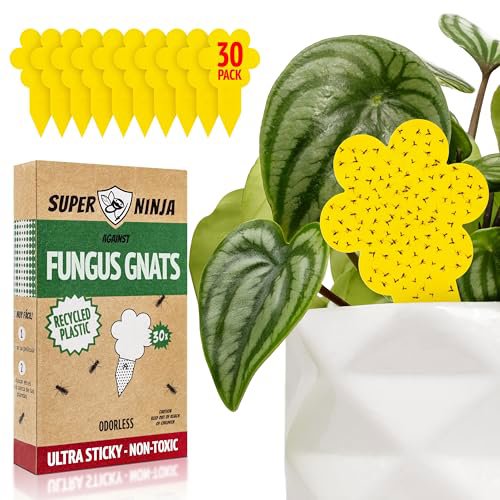
Why does your Brassica campestris have fine webbing? Diagnose the cause and fix it with our step-by-step guide.
Spider mites thrive in warm, dry conditions common for Brassica crops. They pierce plant cells to feed on sap, leaving behind fine silken webs as they move across the leaf undersides and tops.
While thrips are primarily known for scarring, heavy infestations in young Brassica seedlings can produce silk-like webbing as they congregate and feed on the leaf tissue.
In very dense Brassica plantings with poor airflow, high humidity can cause fungal hyphae to appear as fine, thread-like structures that mimic webbing.
Your plant might also be experiencing one of these issues:

 English
 Italiano