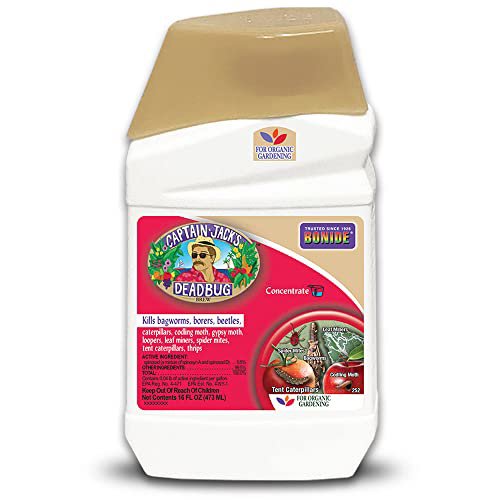
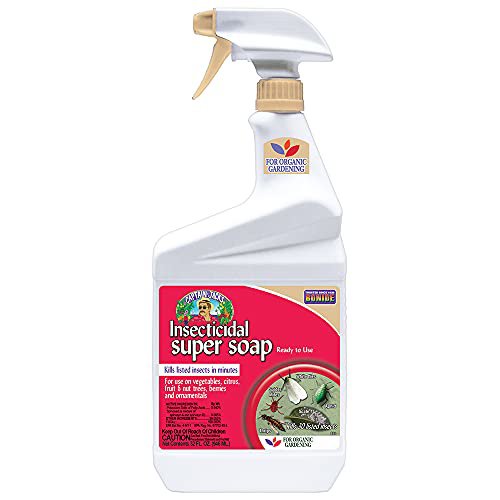
Why does your Brassica campestris have sticky leaves? Diagnose the cause and fix it with our step-by-step guide.
Aphids are highly common on Brassica species and secrete 'honeydew,' a sticky, sugar-rich substance. This residue can coat the leaves and often leads to the growth of black sooty mold.
While caterpillars themselves don't produce honeydew, their feeding activity often attracts secondary pests like aphids or scales that do. The combination of chewed leaf margins and sticky residue is a classic sign of a complex pest issue.
Scale insects attach themselves to the stems and leaves of Brassica plants and excrete honeydew as they feed on plant sap. Unlike aphids, these pests may look like small, stationary bumps or crusty patches.
Your plant might also be experiencing one of these issues:

 English
 Italiano