Brassica Pigeon F1 Round White Leggy Stems
eco Leggy Stems

Brassica Pigeon F1 Round White – Leggy Stems

Why does your Brassica Pigeon F1 Round White have leggy stems? Diagnose the cause and fix it with our step-by-step guide.

search Possible Causes

error

Insufficient Light Exposure

Cabbages require high light intensity to develop sturdy stems; low light triggers etiolation, where the plant stretches rapidly to find a light source. This results in elongated, weak, and pale stems that cannot support the heavy head of a Pigeon Round White.

Very Common
lightbulb
How to confirm: Observe if the plants are being shaded by taller crops or if they are positioned too far from supplemental grow lights.
build How to fix it
shopping_cart Recommended Products
1 Increase light intensity immediately by moving the plant to a brighter location or providing supplemental lighting to prevent further stretching.
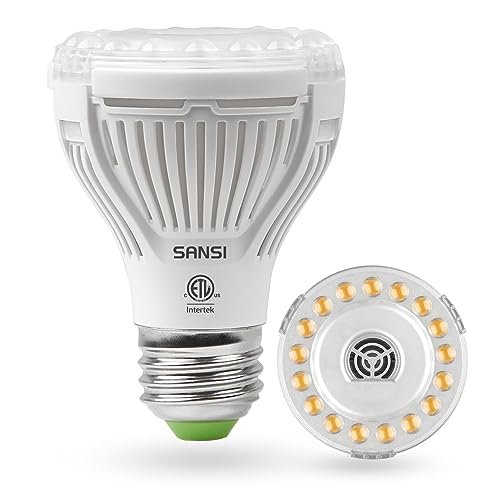
2 Utilize a full-spectrum grow light to mimic natural sunlight and provide the high light intensity required for sturdy cabbage stem development.
3 Monitor the light levels and soil moisture to ensure the plant is not being overwatered, which can exacerbate the appearance of weak, leggy stems.
error

High Planting Density

If seedlings are planted too closely together, competition for light and nutrients forces the Brassica stems to elongate upward to escape the canopy of neighbors. This is common in nursery trays before transplanting to their final spacing.

Very Common
lightbulb
How to confirm: Check if the distance between individual plants is less than the recommended 12-18 inches for mature cabbage development.
build How to fix it
shopping_cart Recommended Products
1 Thin out the seedlings by removing the smallest or weakest individuals to ensure each plant has adequate space and access to light.
2 Provide supplemental lighting from above to reduce the drive for stems to elongate toward a light source.
3 Transplant the remaining healthy seedlings into a larger container or garden bed with proper spacing to prevent future competition.
warning

Excessive Nitrogen Availability

An abundance of nitrogen, especially in early growth stages, promotes rapid vegetative growth and lush foliage at the expense of structural stem strength. This can lead to succulent, weak stems that are prone to lodging.

Common
lightbulb
How to confirm: Review your recent fertilization schedule to see if high-nitrogen organic or synthetic fertilizers were applied heavily.
build How to fix it
shopping_cart Recommended Products
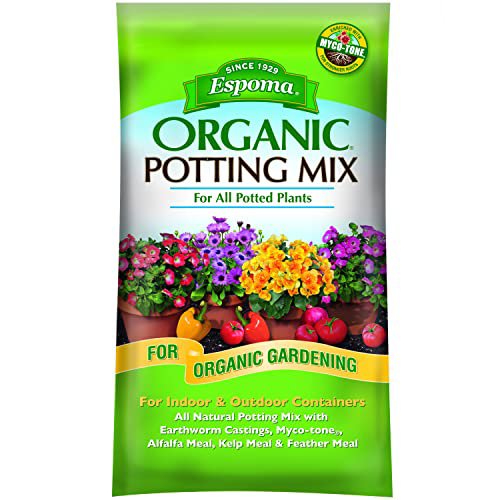
1 Reduce nitrogen-heavy fertilizers and switch to a balanced or lower-nitrogen nutrient profile to encourage structural strength.
2 Increase light exposure to prevent further stretching and promote thicker, sturdier stem development.
3 Monitor soil nutrient levels and moisture to ensure the plant is not being over-stimulated by excessive liquid feeding.
warning

Temperature Fluctuations (Cold Stress)

While Brassicas are cool-season crops, sudden temperature shifts or overly cold soil can disrupt growth patterns, sometimes causing a 'stretch' response as the plant attempts to reach warmer air layers.

Common
lightbulb
How to confirm: Check if there has been a recent significant drop in nighttime temperatures accompanied by high humidity.
build How to fix it
shopping_cart Recommended Products
1 Stabilize the plant's environment by moving it to a more consistent temperature zone and using a heat mat if necessary to warm the soil.
2 Supplement with supplemental lighting to prevent further stretching and encourage more compact, sturdy growth.
3 Apply a balanced liquid fertilizer to help the plant recover from the stress and strengthen new stem development.

Other Brassica Pigeon F1 Round White problems

Your plant might also be experiencing one of these issues:

local_hospital All symptoms eco All plants with leggy stems
favorite