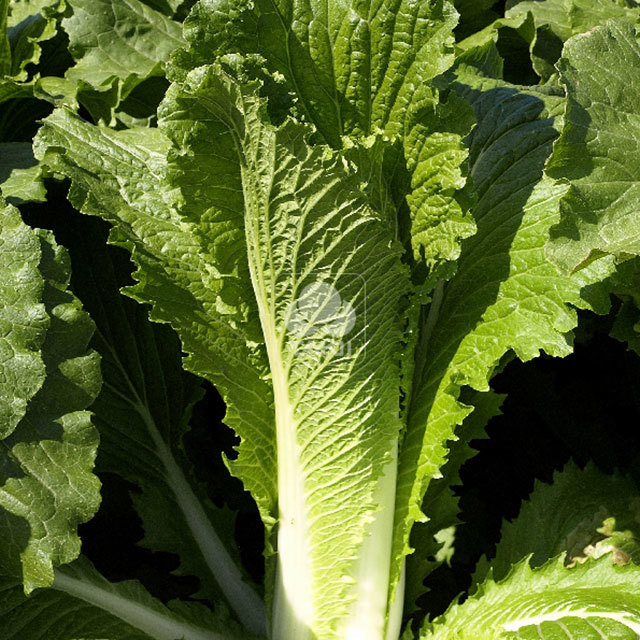
Brassica rapa Green Rocket F1 White Powder
eco White Powder

Brassica rapa Green Rocket F1 – White Powder

Why does your Brassica rapa Green Rocket F1 have white powder? Diagnose the cause and fix it with our step-by-step guide.

pets Pet Friendly

search Possible Causes

error

Powdery Mildew

This is the most common cause of white, flour-like patches on Brassica leaves, caused by fungal pathogens like Erysiphe cruciferarum. It thrives in high humidity and moderate temperatures, often appearing as circular white spots that can eventually cover the entire leaf surface.

Very Common
lightbulb
How to confirm: Check if the white coating is superficial and can be rubbed off easily with your finger.
build How to fix it
shopping_cart Recommended Products
1 Apply an organic fungicide to the affected leaves to stop the spread of the fungal pathogen.
2 Prune and remove any heavily infected leaves immediately, ensuring you dispose of them away from your garden to prevent further contamination.
3 Improve air circulation around your plants and avoid overhead watering to reduce the high humidity that promotes mildew growth.
warning

Fungal Leaf Spot (Albugo candida)

Also known as White Rust, this pathogen creates white, blister-like pustules on the underside of the leaves. Unlike powdery mildew, these spots are often raised and can eventually lead to chlorosis and stunted growth in Chinese cabbage.

Common
lightbulb
How to confirm: Inspect the underside of the leaves for raised, white, spore-bearing bumps rather than a flat powder.
build How to fix it
shopping_cart Recommended Products
1 Apply an organic fungicide to the affected leaves to control the spread of the white pustules and prevent further infection.
2 Prune and remove any heavily infected leaves immediately, ensuring you dispose of them away from your garden to prevent the pathogen from spreading.
3 Improve air circulation around your plants and avoid overhead watering to keep the foliage dry, which reduces the humidity levels that fungi thrive in.
warning

Aphid Honeydew Residue

Heavy infestations of aphids can excrete a sticky substance called honeydew. When this dries on the surface of Green Rocket leaves, it can trap dust or grow a secondary growth of 'sooty mold,' which may appear as a whitish or dark film.

Common
lightbulb
How to confirm: Look for small, soft-bodied insects on the undersides of leaves and check if the leaf surface feels sticky to the touch.
build How to fix it
shopping_cart Recommended Products
1 Apply an organic insecticide to eliminate the aphid population and stop the production of honeydew.
2 Gently wash the leaves with a soft stream of water to remove the sticky residue and any secondary mold growth.
3 Monitor soil moisture levels to ensure the plant remains healthy and resilient against further pest stress.

Other Brassica rapa Green Rocket F1 problems

Your plant might also be experiencing one of these issues:

local_hospital All symptoms eco All plants with white powder
favorite


