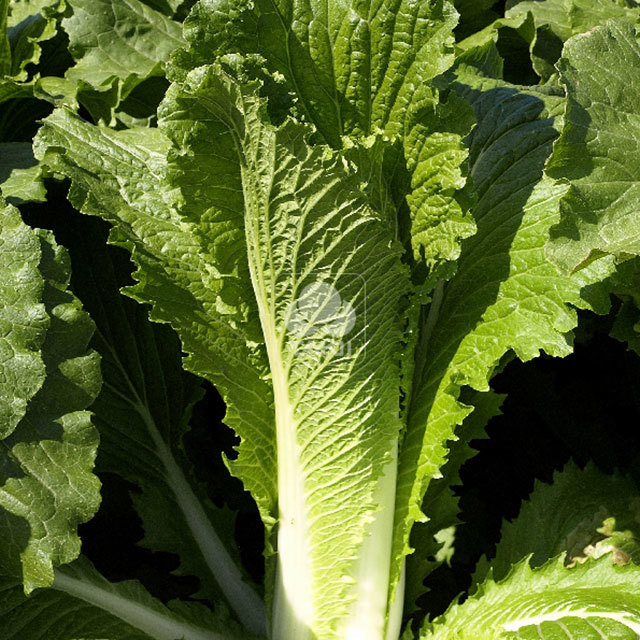
Brassica rapa Green Rocket F1 Yellow Leaves
eco Yellow Leaves

Brassica rapa Green Rocket F1 – Yellow Leaves

Why does your Brassica rapa Green Rocket F1 have yellow leaves? Diagnose the cause and fix it with our step-by-step guide.

pets Pet Friendly

search Possible Causes

error

Nitrogen Deficiency

Nitrogen is a mobile nutrient in Brassica species; when levels are low, the plant moves nitrogen from older leaves to new growth, causing them to turn pale yellow first. This is common in fast-growing leafy greens like Green Rocket if soil organic matter is depleted.

Very Common
lightbulb
How to confirm: Observe if the yellowing started on the oldest, bottom leaves while the top remains green.
build How to fix it
shopping_cart Recommended Products
1 Apply a nitrogen-rich organic fertilizer to replenish the soil nutrients and stop the yellowing of older leaves.
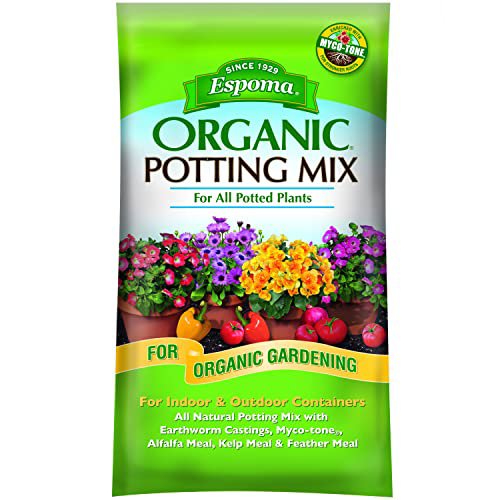
2 Incorporate organic matter like worm castings into the top layer of the soil to provide a slow-release source of nitrogen.
3 Monitor soil moisture levels to ensure the nitrogen is being effectively transported to the roots and new growth.
error

Overwatering and Soil Compaction

Excessive moisture displaces oxygen in the soil, leading to root hypoxia which prevents the plant from absorbing essential nutrients. In Brassica rapa, this often manifests as a uniform yellowing of the foliage due to impaired root function.

Very Common
lightbulb
How to confirm: Stick your finger 2 inches into the soil to see if it feels waterlogged or muddy.
build How to fix it
shopping_cart Recommended Products
1 Reduce watering frequency and allow the top inch of soil to dry out completely before watering again to prevent root hypoxia.
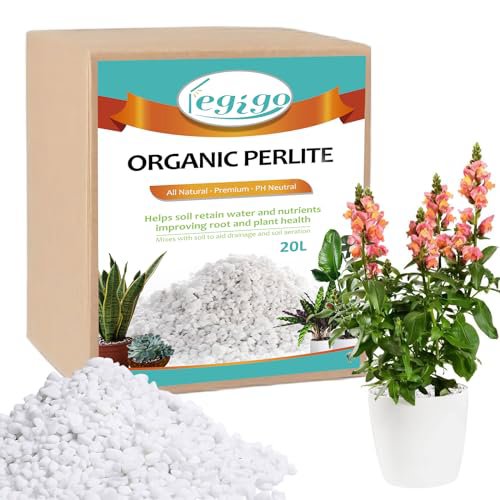
2 Aerating the soil or repotting with a more porous medium containing perlite will help restore oxygen to the root zone.
3 Apply a balanced liquid fertilizer to help the plant recover from nutrient uptake inhibition caused by the waterlogged conditions.
warning

Pythium Root Rot

This fungal pathogen thrives in cool, wet conditions and attacks the root systems of Brassicas, causing vascular disruption. The symptom is a chlorotic (yellowing) appearance as the plant can no longer transport water effectively.

Common
lightbulb
How to confirm: Gently pull the plant to see if the roots appear dark, slimy, or detach easily from the soil.
build How to fix it
shopping_cart Recommended Products
1 Immediately reduce watering frequency and ensure the growing medium has excellent drainage to eliminate the excess moisture that fuels Pythium growth.
2 Apply a fungicide to combat the pathogen; for organic-compliant care, use a copper-based fungicide to protect the remaining healthy plant tissue.
3 If the plant is in a container, repot into a fresh, sterile, and highly aerated medium containing perlite to prevent further root decay.
warning

Magnesium Deficiency

Magnesium is a central component of chlorophyll; a deficiency causes interveinal chlorosis where the veins stay green but the tissue between them turns yellow. This often occurs in acidic soils common for Brassica cultivation.

Common
lightbulb
How to confirm: Check if the yellowing is specifically located between the leaf veins on older leaves.
build How to fix it
shopping_cart Recommended Products
1 Apply a magnesium supplement to the soil to restore chlorophyll production and address interveinal chlorosis.
2 Check the soil pH levels, as acidic soil can prevent the plant from absorbing available magnesium.
3 Amend the growing medium with organic matter to improve nutrient availability and soil structure.

Other Brassica rapa Green Rocket F1 problems

Your plant might also be experiencing one of these issues:

local_hospital All symptoms eco All plants with yellow leaves
favorite