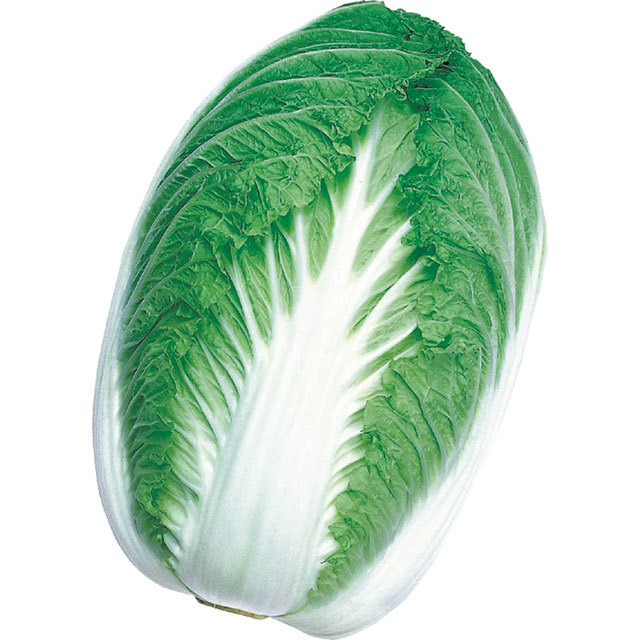
Brassica rapa Parkin F1 Brown Leaf Tips
eco Brown Leaf Tips

Brassica rapa Parkin F1 – Brown Leaf Tips

Why does your Brassica rapa Parkin F1 have brown leaf tips? Diagnose the cause and fix it with our step-by-step guide.

pets Pet Friendly

search Possible Causes

error

Tip Burn (Calcium Deficiency)

This is the most common cause in Brassica crops, where rapid growth outpaces the plant's ability to transport calcium to new leaf margins. High humidity or irregular watering prevents the transpiration stream from delivering essential nutrients to the growing tips.

Very Common
lightbulb
How to confirm: Check if the browning is localized strictly to the youngest, innermost leaves of the cabbage head.
build How to fix it
shopping_cart Recommended Products
1 Apply a calcium supplement to the soil to immediately address the deficiency and strengthen cell walls.
2 Ensure consistent watering by using a moisture meter to prevent the irregular moisture fluctuations that disrupt calcium transport.
3 Improve airflow around the plant to regulate humidity and maintain a steady transpiration stream to the leaf margins.
error

Salt Accumulation (Salinity Stress)

Excessive use of nitrogen-based fertilizers or high salinity in irrigation water causes osmotic stress. In Chinese Cabbage, this manifests as necrotic brown edges as the plant struggles to regulate water uptake.

Very Common
lightbulb
How to confirm: Inspect the soil surface for white crusty mineral deposits and check if the symptom worsened after fertilization.
build How to fix it
shopping_cart Recommended Products
1 Flush the soil thoroughly with large amounts of fresh, low-salinity water to leach out accumulated mineral salts from the root zone.
2 Reduce the frequency of nitrogen-rich fertilization and switch to a more diluted application to prevent further salt buildup.
3 Monitor soil moisture levels closely using a moisture meter to ensure the plant is not experiencing osmotic stress from dry, salty conditions.
warning

Water Stress (Drought or Fluctuating Moisture)

Inconsistent moisture levels lead to cellular collapse at the leaf extremities. For Parkin F1, which has high water content leaves, sudden dry spells cause the delicate margins to desiccate and turn brown.

Common
lightbulb
How to confirm: Check the consistency of the soil moisture levels between planting and the appearance of symptoms.
build How to fix it
shopping_cart Recommended Products
1 Monitor soil moisture levels daily using an analog meter to ensure the soil remains consistently damp but not waterlogged.
2 Apply a consistent watering schedule to prevent the rapid drying and re-wetting cycles that cause leaf tip desiccation.
3 Mulch the base of the plant with organic matter to help retain soil moisture and regulate temperature fluctuations.
warning

Fungal Leaf Spot (e.g., Alternaria or Septoria)

Pathogenic fungi can cause necrotic lesions that begin at the leaf edges. While often presenting as spots, in heavy infections, these spots coalesce to make the entire leaf tip appear brown.

Common
lightbulb
How to confirm: Look for small black fungal fruiting bodies or concentric rings within the brown necrotic areas.
build How to fix it
shopping_cart Recommended Products
1 Remove and destroy all heavily infected leaves to prevent the fungal spores from spreading to healthy parts of the plant.
2 Apply an organic fungicide to the affected area to control the spread of the pathogen.
3 Improve air circulation around the cabbage plants and avoid overhead watering to keep foliage dry and reduce fungal growth.

Other Brassica rapa Parkin F1 problems

Your plant might also be experiencing one of these issues:

local_hospital All symptoms eco All plants with brown leaf tips
favorite