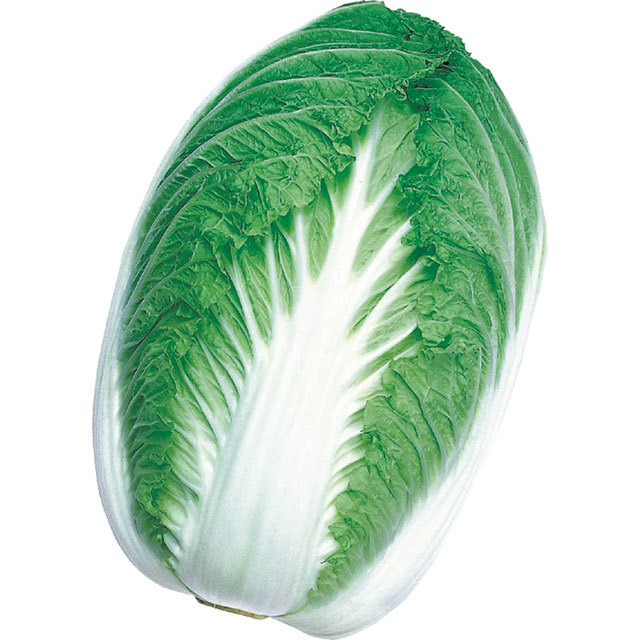
Brassica rapa Parkin F1 Fine Webbing
eco Fine Webbing

Brassica rapa Parkin F1 – Fine Webbing

Why does your Brassica rapa Parkin F1 have fine webbing? Diagnose the cause and fix it with our step-by-step guide.

pets Pet Friendly

search Possible Causes

error

Two-Spotted Spider Mite Infestation

Spider mites are the most common cause of fine silk webbing on brassicas. They pierce plant cells to feed, causing stippling (tiny white dots) on the leaves followed by characteristic webbing around leaf undersides or leaf axils.

Very Common
lightbulb
How to confirm: Hold a white piece of paper under a leaf and tap it to see if tiny crawling specks fall onto the paper.
build How to fix it
shopping_cart Recommended Products
1 Immediately apply an organic miticide to eliminate the spider mite population and destroy eggs, larvae, and adults.
2 Increase humidity around the plant and wipe the undersides of leaves with a damp cloth to physically remove webbing and mites.
3 Monitor soil moisture levels closely, as spider mites thrive in hot, dry conditions; use a moisture meter to ensure consistent hydration.
error

Tetranychus urticae (European Red Mite) outbreak

Under hot, dry conditions, these mites thrive in Chinese Cabbage crops, creating dense webbing that can eventually cause entire heads of Parkin F1 to collapse or stunt.

Very Common
lightbulb
How to confirm: Inspect the undersides of the older leaves for reddish or yellowish spotting alongside the webs.
build How to fix it
shopping_cart Recommended Products
1 Apply an organic miticide/insecticide spray to the plant to eliminate the mite population and destroy eggs.
2 Increase humidity and reduce heat around the cabbage by misting the leaves or using a humidifier to make the environment less hospitable for mites.
3 Monitor soil moisture levels closely to ensure the plant is not under drought stress, which can exacerbate mite outbreaks.
warning

High Humidity and Secondary Fungal Growth

While less common for 'webbing,' extreme humidity in dense cabbage crops can cause fungal hyphae to look like fine, hair-like structures on the leaf surface.

Common
lightbulb
How to confirm: Check if the 'webbing' is accompanied by slimy, soft rot or dark fungal lesions on the cabbage leaves.
build How to fix it
shopping_cart Recommended Products
1 Apply an organic fungicide to control the fungal growth and prevent the spread of hyphae across the cabbage leaves.
2 Improve airflow around the dense crop by thinning out leaves or increasing spacing to reduce the humidity levels that promote fungal growth.
3 Monitor the soil moisture levels to ensure the base of the plants is not staying overly saturated, which can contribute to high micro-climatic humidity.

Other Brassica rapa Parkin F1 problems

Your plant might also be experiencing one of these issues:

local_hospital All symptoms eco All plants with fine webbing
favorite



