Why does your Calathea concinna have tiny black flies? Diagnose the cause and fix it with our step-by-step guide.
Pet FriendlyThe larvae of these flies live in the top layers of the soil and feed on organic matter or decaying roots. For Calathea concinna, which prefers high humidity, the moist environment required by the plant is the perfect breeding ground for these pests.
Excessive moisture in the Calathea's substrate creates a breeding ground for fungus gnats and can lead to root rot. When the soil stays saturated, it attracts flies looking for damp organic material to lay eggs.
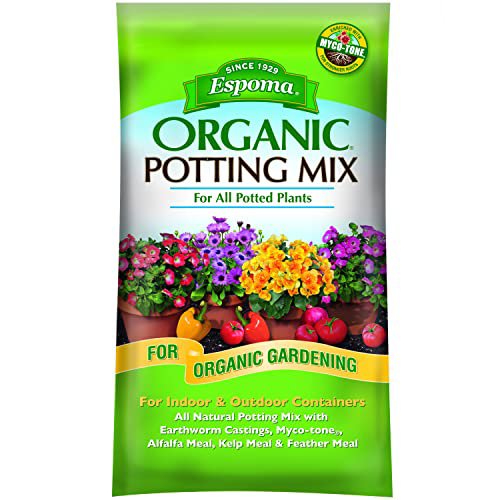
If the potting mix contains a high amount of decomposing peat moss or compost, it provides an abundant food source for fly larvae. Calatheas often require rich soil, but too much decomposing material can inadvertently attract pests.
Your plant might also be experiencing one of these issues:

 English
 Italiano