Calathea concinna Yellow Leaves
eco Yellow Leaves

Calathea concinna – Yellow Leaves

Why does your Calathea concinna have yellow leaves? Diagnose the cause and fix it with our step-by-step guide.

pets Pet Friendly

search Possible Causes

error

Low Humidity

Calathea concinna is a tropical species that requires high humidity levels; when the air is too dry, leaves often turn yellow and develop crispy brown edges. This moisture stress disrupts the plant's ability to regulate transpiration.

Very Common
lightbulb
How to confirm: Check if the leaf edges are also turning brown and brittle alongside the yellowing.
build How to fix it
shopping_cart Recommended Products
1 Increase local humidity by placing the plant on a pebble tray filled with water or using a humidifier nearby.
2 Mist the leaves regularly with a fine spray to provide immediate moisture to the foliage.
3 Avoid placing the plant near heat vents or air conditioning units that further dry out the air.
error

Overwatering and Root Rot

Excessive moisture in the soil deprives the roots of oxygen, leading to fungal pathogens that cause widespread yellowing of the foliage. Calatheas are highly sensitive to 'wet feet' due to their rhizomatous nature.

Very Common
lightbulb
How to confirm: Press the soil near the base; if it feels muddy or smells sour/musty, the roots are likely rotting.
build How to fix it
shopping_cart Recommended Products
1 Immediately inspect the roots for mushy, dark brown, or foul-smelling decay and trim away any rot using sterilized shears.
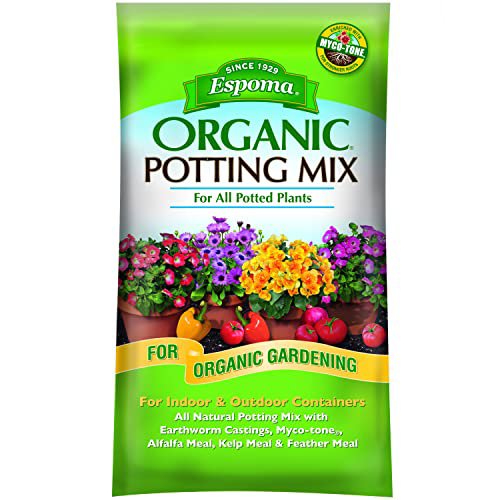
2 Repot the plant in a fresh, well-draining medium and ensure the container has adequate drainage to prevent water pooling.
3 Use a moisture meter to monitor the soil, ensuring you only water when the top inch of soil is dry to avoid future overwatering.
warning

Improper Light Intensity

Too much direct sunlight can scorch the delicate leaves of a Rattlesnake Plant, causing them to bleach or turn yellow. Conversely, extremely low light can lead to chlorosis as the plant struggles to produce enough chlorophyll.

Common
lightbulb
How to confirm: Observe if the yellow patches appear specifically in areas directly exposed to sunbeams.
build How to fix it
shopping_cart Recommended Products
1 Relocate your Calathea to a spot with bright, indirect light, ensuring it is shielded from harsh, direct afternoon sun to prevent leaf scorching.
2 Monitor light levels using a light meter or by observing the plant's reaction to its environment to ensure it receives consistent, filtered illumination.
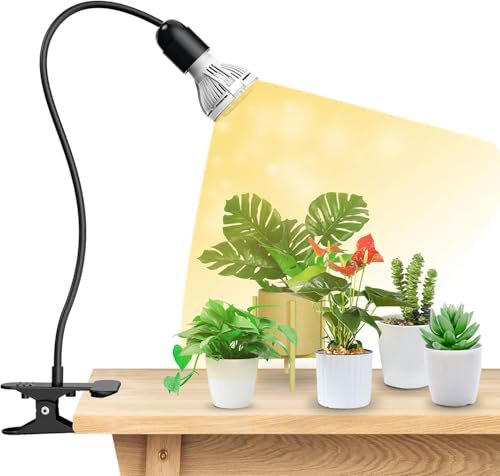
3 If the plant is in a low-light corner, supplement its light exposure with a full-spectrum grow light to support chlorophyll production.
warning

Mineral Toxicity (Salt Buildup)

Calatheas are sensitive to fluoride, chlorine, and salts found in tap water. Accumulation of these minerals in the substrate can cause leaf discoloration and yellowing symptoms.

Common
lightbulb
How to confirm: Look for white, crusty mineral deposits on the surface of the soil or the edges of the pot.
build How to fix it
shopping_cart Recommended Products
1 Flush the soil thoroughly by running distilled or filtered water through the pot for several minutes to leach out accumulated mineral salts.
2 Repot the plant in fresh, high-quality potting soil to completely remove the contaminated substrate and prevent further toxicity.
3 Use a soil moisture meter to monitor watering frequency, ensuring you do not overwater, which can exacerbate mineral leaching issues.

Other Calathea concinna problems

Your plant might also be experiencing one of these issues:

local_hospital All symptoms eco All plants with yellow leaves
favorite