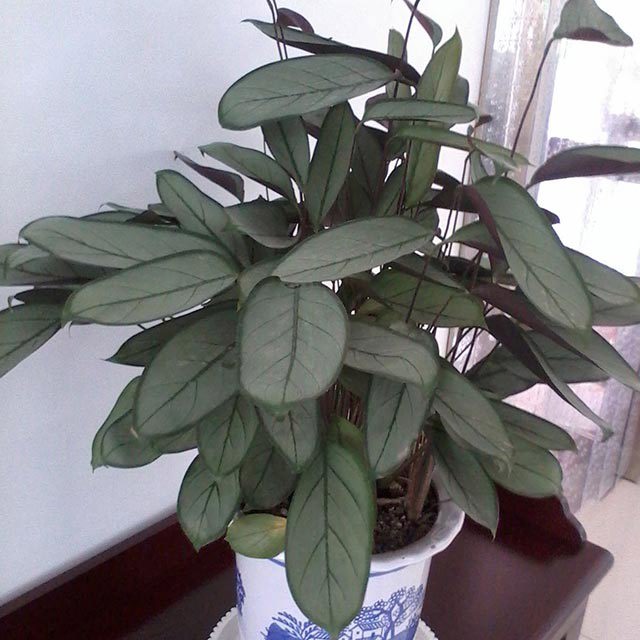
Calathea setosa Drooping Leaves
eco Drooping Leaves

Calathea setosa – Drooping Leaves

Why does your Calathea setosa have drooping leaves? Diagnose the cause and fix it with our step-by-step guide.

pets Pet Friendly

search Possible Causes

error

Inconsistent Soil Moisture

Calathea setosa requires consistently moist soil; if the peat-based substrate dries out completely, the plant loses turgor pressure in its large leaves. This often leads to rapid wilting and soft, limp foliage.

Very Common
lightbulb
How to confirm: Stick your finger one inch into the soil to see if it feels bone-dry to the touch.
build How to fix it
shopping_cart Recommended Products
1 Check the current moisture level by inserting a probe into the soil to determine if the substrate has dried out completely.
2 Immediately water the plant to restore turgor pressure, ensuring the soil remains consistently moist but not waterlogged.
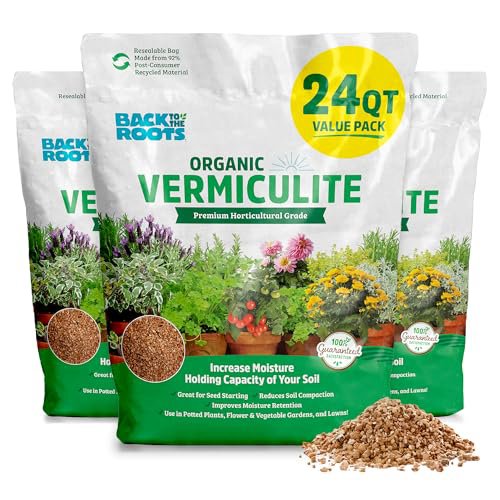
3 To prevent future drying cycles, consider using a self-watering system or adding a moisture-retaining substrate like vermiculite to the potting mix.
error

Low Humidity

As a tropical species, this plant relies on high ambient humidity to maintain leaf structure. Dry indoor air causes transpiration rates to exceed water uptake, leading to drooping and potentially crispy edges.

Very Common
lightbulb
How to confirm: Check if the leaf edges are also turning brown and curling inward alongside the drooping.
build How to fix it
shopping_cart Recommended Products
1 Increase ambient humidity around the plant by using a pebble tray or a humidifier to prevent leaf edges from drying out.
2 Mist the leaves regularly with a fine spray to provide immediate surface moisture.
3 Check the soil moisture level to ensure the drooping isn't actually caused by underwatering.
warning

Root Rot (Overwatering)

Excessive water in the pot displaces oxygen, causing the roots of the Velvet Calathea to decay. When roots rot, they can no longer transport water to the leaves, resulting in a paradoxical drooping effect despite wet soil.

Common
lightbulb
How to confirm: Gently lift the plant from its pot to check if the roots are dark, slimy, or have an unpleasant odor.
build How to fix it
shopping_cart Recommended Products
1 Immediately remove the plant from its current pot and inspect the roots; trim away any mushy, black, or foul-smelling roots using sterilized shears.
2 Repot the Calathea in a fresh, well-draining medium like a mix containing perlite to restore oxygen to the root zone.
3 Use a moisture meter to monitor the soil and ensure you only water when the top inch of soil is dry to prevent future overwatering.
warning

Temperature Shock

Calatheas are sensitive to cold drafts from air conditioners or windows. A sudden drop in temperature can cause the plant's metabolic processes to slow down, resulting in temporary leaf limpness.

Common
lightbulb
How to confirm: Observe if the drooping coincides with a change in room temperature or placement near a drafty vent.
build How to fix it
shopping_cart Recommended Products
1 Move your Calathea to a stable, warm environment away from cold drafts, air conditioning vents, or drafty windows.
2 Monitor the soil moisture levels to ensure the plant isn't also suffering from dehydration during this period of stress.
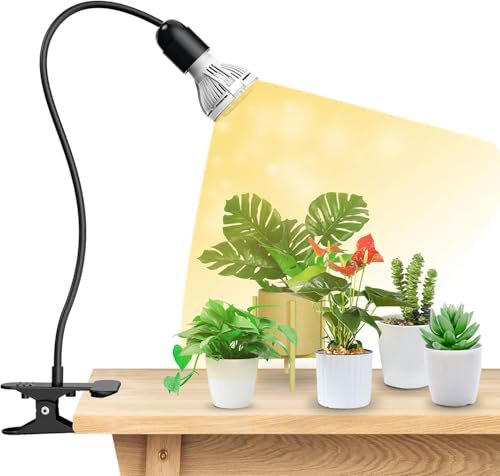
3 If the plant continues to struggle, provide supplemental warmth and light using a grow light to stabilize its metabolic processes.

Other Calathea setosa problems

Your plant might also be experiencing one of these issues:

local_hospital All symptoms eco All plants with drooping leaves
favorite