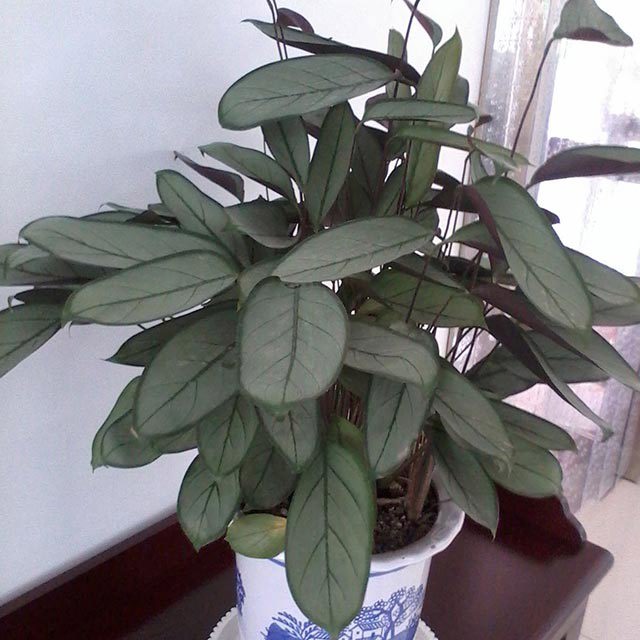
Calathea setosa Yellow Leaves
eco Yellow Leaves

Calathea setosa – Yellow Leaves

Why does your Calathea setosa have yellow leaves? Diagnose the cause and fix it with our step-by-step guide.

pets Pet Friendly

search Possible Causes

error

Low Humidity

Calathea setosa is a tropical species that requires high humidity levels. Dry air causes moisture to evaporate too quickly from the leaf margins, leading to chlorosis (yellowing) and crispy edges.

Very Common
lightbulb
How to confirm: Check if the yellowing is accompanied by brown, dry edges on the leaf margins.
build How to fix it
shopping_cart Recommended Products
1 Increase local humidity around the plant by using a pebble tray or a humidifier to prevent leaf edges from drying out.
2 Mist the foliage regularly with a fine spray to provide immediate moisture to the leaves.
3 Monitor soil moisture levels closely to ensure the plant remains hydrated without becoming waterlogged.
error

Overwatering and Root Rot

Excessive moisture in the substrate suffocates the roots, preventing oxygen uptake. This leads to systemic yellowing of the leaves as the root system begins to decay from fungal pathogens like Phytophthora.

Very Common
lightbulb
How to confirm: Press the growing medium; if it feels soggy and the soil has a sour odor, root rot is likely.
build How to fix it
shopping_cart Recommended Products
1 Immediately remove the plant from its current pot and trim away any mushy, black, or foul-smelling roots using sterilized shears.
2 Repot the Calathea in a fresh, well-draining medium enriched with perlite to improve aeration and prevent future waterlogging.
3 Use a moisture meter to monitor the substrate, ensuring you only water when the top inch of soil is dry to avoid repeat overwatering.
warning

Tap Water Mineral Accumulation

Calatheas are sensitive to fluoride, chlorine, and salts found in municipal tap water. Over time, these minerals build up in the leaf tissues, causing yellowing patches and tip burn.

Common
lightbulb
How to confirm: Observe if yellowing starts specifically at the tips or appears as mottled spots on older leaves.
build How to fix it
shopping_cart Recommended Products
1 Switch to distilled, rain, or filtered water to prevent further mineral and fluoride buildup in the leaf tissues.
2 Flush the soil thoroughly with distilled water to leach out accumulated salts and minerals from the root zone.
3 Monitor soil moisture levels closely to ensure the plant is not also experiencing overwatering, which can exacerbate yellowing.
warning

Nitrogen Deficiency

A lack of available nitrogen in the potting mix prevents the plant from producing sufficient chlorophyll. This typically manifests as a uniform yellowing that starts with the oldest, bottom-most leaves.

Common
lightbulb
How to confirm: Check if the newest growth is deep green while only the lower leaves are turning yellow.
build How to fix it
shopping_cart Recommended Products
1 Apply a nitrogen-rich liquid fertilizer to the soil to boost chlorophyll production and restore green color to the leaves.
2 Check the soil moisture levels with a meter to ensure the nitrogen is being effectively absorbed and not being washed away by overwatering.
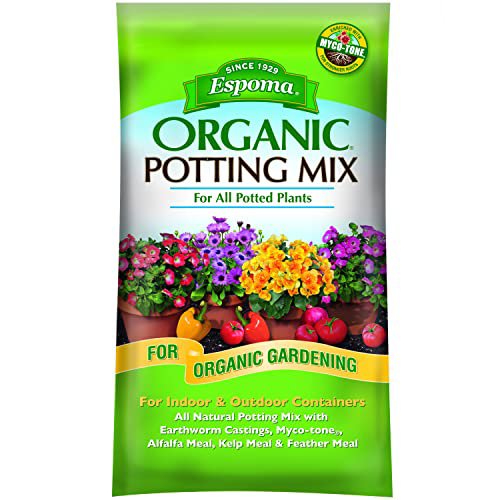
3 Refresh the potting medium with a nutrient-dense organic mix to provide a sustained release of nitrogen for long-term health.

Other Calathea setosa problems

Your plant might also be experiencing one of these issues:

local_hospital All symptoms eco All plants with yellow leaves
favorite