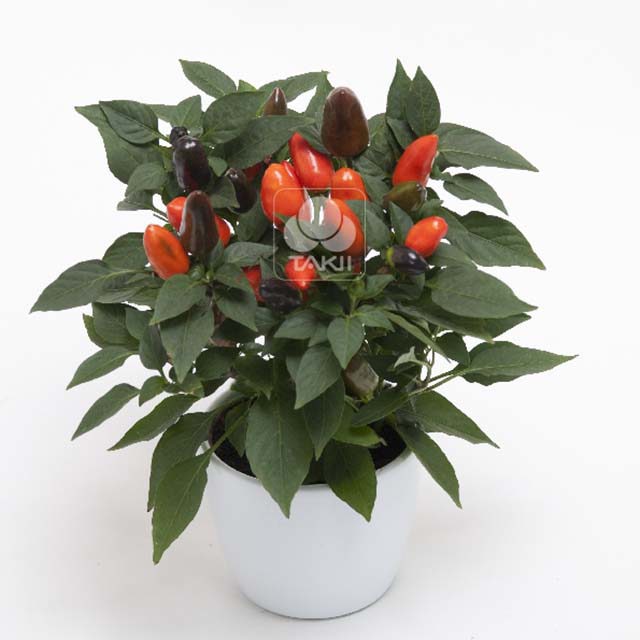
Capsicum cubana Deep Orange Fine Webbing
eco Fine Webbing

Capsicum cubana Deep Orange – Fine Webbing

Why does your Capsicum cubana Deep Orange have fine webbing? Diagnose the cause and fix it with our step-by-step guide.

search Possible Causes

error

Two-Spotted Spider Mite (Tetranychus urticae)

These microscopic arachnids pierce the cell walls of the pepper leaves to suck out nutrients, leaving behind fine silk webbing as they build colonies. In 'Capsicum cubana', this often manifests as stippling or tiny yellow dots on the upper leaf surface before the webbing becomes prominent.

Very Common
lightbulb
How to confirm: Hold a white piece of paper under a leaf and tap it sharply to see if tiny crawling specks fall onto the paper.
build How to fix it
shopping_cart Recommended Products
1 Immediately spray the plant with an organic insecticide/miticide to kill existing mites and their eggs.
2 Prune and dispose of heavily infested or severely damaged leaves to reduce the mite population and prevent further spread.
3 Increase humidity around the plant and monitor soil moisture, as spider mites thrive in hot, dry conditions.
warning

Tetranychid Mite Infestation (Cyclamen Mites)

While less common than the two-spotted variety, other mite species thrive in the warm, dry conditions preferred by Cuban Peppers. They produce a similar silken web structure that can trap dust and debris, making the foliage appear dirty or dull.

Common
lightbulb
How to confirm: Examine the undersides of the leaves specifically for small, moving dots near the leaf veins.
build How to fix it
shopping_cart Recommended Products
1 Apply an organic miticide or insecticide spray to the plant to eliminate the mites and their eggs.
2 Increase humidity and reduce dry heat around the plant, as mites thrive in warm, arid environments.
3 Gently wipe the foliage with a damp cloth to remove the fine webbing and trapped debris.
warning

High Humidity/Microclimate Mold (Secondary)

While not a primary cause of webbing, extreme humidity in dense pepper foliage can cause fungal hyphae to look like fine, thread-like structures. This is often confused with mite webbing but usually lacks the organized silk architecture found in arachnid infestations.

Common
lightbulb
How to confirm: Check if the 'webbing' feels fuzzy and organic rather than silky and structural.
build How to fix it
shopping_cart Recommended Products
1 Inspect the undersides of leaves closely for moving mites or organized silk patterns to confirm if this is a pest or fungal issue.
2 Improve airflow around the dense foliage by pruning crowded leaves and increasing ventilation to reduce the microclimate humidity.
3 Apply an organic fungicide to treat any fungal hyphae and prevent the spread of mold within the plant's microclimate.

Other Capsicum cubana Deep Orange problems

Your plant might also be experiencing one of these issues:

local_hospital All symptoms eco All plants with fine webbing
favorite


