Capsicum cubana Deep Orange Sticky Leaves
eco Sticky Leaves

Capsicum cubana Deep Orange – Sticky Leaves

Why does your Capsicum cubana Deep Orange have sticky leaves? Diagnose the cause and fix it with our step-by-step guide.

search Possible Causes

error

Aphid Infestation

Aphids are sap-sucking insects that inject excess sugars into the plant, creating a sticky residue known as honeydew. In Capsicum species, they often cluster on the undersides of new leaves and tender stems.

Very Common
lightbulb
How to confirm: Inspect the underside of young leaves for tiny, pear-shaped green or black insects.
build How to fix it
shopping_cart Recommended Products
1 Apply an organic insecticide spray to the undersides of leaves and tender stems to eliminate existing aphids and prevent further egg laying.
2 Wipe the sticky residue from the leaves using a soft cloth and water to prevent fungal growth and allow the plant to breathe.
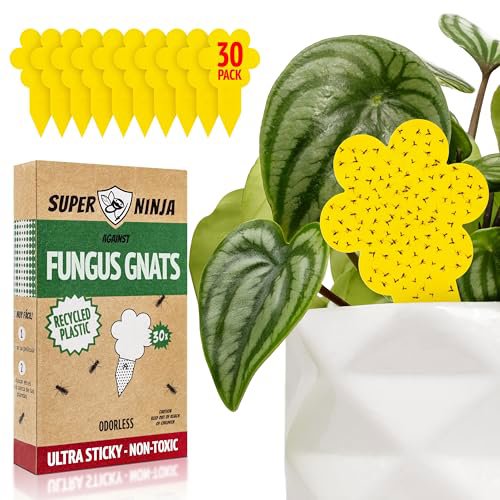
3 Monitor the plant regularly with yellow sticky traps to capture any remaining flying insects or new arrivals.
error

Scale Insects

Scale insects attach themselves to the stems and leaf veins of your Cuban Pepper, secreting honeydew as they feed on plant fluids. This residue can accumulate and create a thick, tacky layer on the foliage.

Very Common
lightbulb
How to confirm: Look for small, stationary bumps or shell-like structures firmly attached to the pepper stems.
build How to fix it
shopping_cart Recommended Products
1 Apply an organic insecticide spray to the plant to kill existing scale insects and their eggs.
2 Wipe the sticky leaves and stems with a soft cloth or cotton swab dipped in rubbing alcohol to remove the honeydew residue and dislodge visible insects.
3 Inspect the undersides of leaves and crevices for new infestations and continue regular monitoring.
warning

Whitefly Infestation

Whiteflies congregate on the undersides of Capsicum leaves and excrete honeydew, which causes stickiness and can lead to sooty mold growth. A sudden cloud of tiny white insects when shaking the plant is a primary indicator.

Common
lightbulb
How to confirm: Gently shake the plant and observe if a small cloud of white, moth-like insects emerges from the foliage.
build How to fix it
shopping_cart Recommended Products
1 Apply an organic insecticide to eliminate the whitefly population and stop the production of honeydew.
2 Deploy yellow sticky traps around the plant to capture adult whiteflies and monitor the infestation level.
3 Wipe the undersides of the leaves with a damp cloth to remove the sticky residue and prevent sooty mold growth.
warning

Sooty Mold (Secondary Condition)

While not the root cause, sooty mold is a black fungus that grows specifically on the sticky honeydew left by piercing-sucking insects. It can eventually coat the 'Deep Orange' leaves, blocking photosynthesis.

Common
lightbulb
How to confirm: Check if the stickiness is accompanied by a dark, powdery, or charcoal-like coating on the leaf surface.
build How to fix it
shopping_cart Recommended Products
1 Identify and eliminate the underlying pest causing the sticky honeydew, such as aphids or whiteflies, using an organic insecticide spray.
2 Gently wipe the black sooty mold off the leaves with a soft cloth and water to restore photosynthesis capabilities.
3 Monitor soil moisture levels to ensure the plant remains healthy and resilient against secondary fungal infections.

Other Capsicum cubana Deep Orange problems

Your plant might also be experiencing one of these issues:

local_hospital All symptoms eco All plants with sticky leaves
favorite