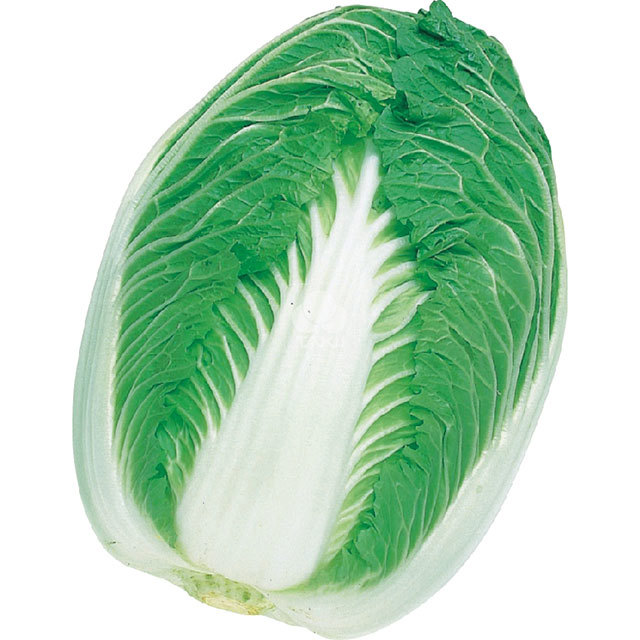
Chinese Cabbage Blues F1 Brown Leaf Tips
eco Brown Leaf Tips

Chinese Cabbage Blues F1 – Brown Leaf Tips

Why does your Chinese Cabbage Blues F1 have brown leaf tips? Diagnose the cause and fix it with our step-by-step guide.

search Possible Causes

error

Salt Accumulation (Salinity Stress)

Chinese cabbage is sensitive to high levels of soluble salts in the soil. Excess fertilizer or saline irrigation water causes osmotic stress, leading to the necrosis of leaf margins and tips.

Very Common
lightbulb
How to confirm: Check if you have recently applied heavy nitrogen fertilizers or if your irrigation water source has a high mineral content.
build How to fix it
shopping_cart Recommended Products
1 Flush the soil thoroughly with large amounts of fresh, low-salinity water to leach accumulated mineral salts away from the root zone.
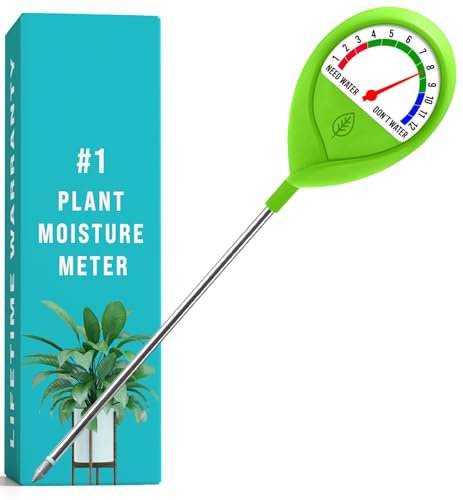
2 Check the current soil moisture levels to ensure you are not overwatering, which can exacerbate salt movement, using a moisture meter.
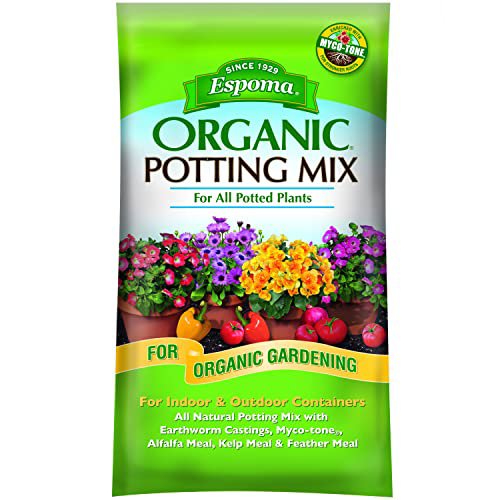
3 Repot the plant in fresh, high-quality potting soil to provide a clean environment free of existing salt buildup.
error

Calcium Deficiency (Tip Burn)

This is a common physiological disorder in brassicas caused by uneven calcium distribution within the plant. Low transpiration rates, often due to high humidity or heavy leaf canopy, prevent calcium from reaching the growing tips.

Very Common
lightbulb
How to confirm: Examine if the browning is concentrated on the youngest, innermost leaves of the cabbage head.
build How to fix it
shopping_cart Recommended Products
1 Apply a calcium supplement to the soil to address the deficiency directly and strengthen cell walls.
2 Improve air circulation around the plant canopy to increase transpiration rates and help calcium reach the leaf tips.
3 Ensure consistent soil moisture levels to prevent the uneven nutrient distribution that leads to tip burn.
warning

Water Stress (Fluctuating Moisture)

Inconsistent watering cycles cause the plant to lose turgor pressure rapidly. When 'Blues F1' undergoes drought stress followed by heavy irrigation, the cell walls at the leaf extremities collapse, resulting in brown tips.

Common
lightbulb
How to confirm: Monitor the soil moisture levels and ensure a consistent moisture regime without letting the root zone dry out completely.
build How to fix it
shopping_cart Recommended Products
1 Stabilize the watering schedule to ensure consistent moisture levels, avoiding the cycle of complete drying followed by heavy saturation.
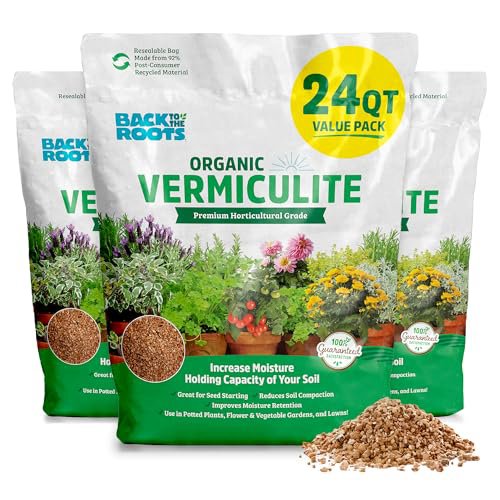
2 Apply a mulch layer or use a moisture-retaining substrate like vermiculite to help the soil hold water more evenly between waterings.
3 Check the soil moisture depth regularly with a probe to ensure the root zone remains hydrated without becoming waterlogged.
warning

Fungal Leaf Spot (e.g., Alternaria or Septoria)

Certain fungal pathogens thrive in the moist, dense microclimate of Chinese cabbage heads. These infections often begin as small necrotic spots on the tips that expand into larger brown lesions.

Common
lightbulb
How to confirm: Look for dark concentric rings within the brown areas or fuzzy mold growth on the underside of the leaves.
build How to fix it
shopping_cart Recommended Products
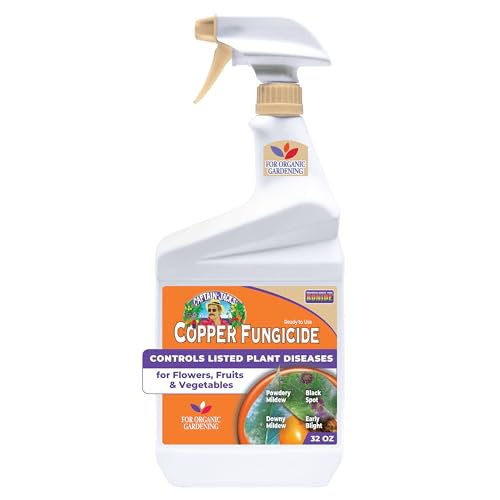
1 Apply an organic fungicide to the affected leaves to halt the spread of the fungal pathogen.
2 Prune and remove any heavily infected leaves to reduce the pathogen load and improve airflow around the cabbage heads.
3 Adjust your watering schedule to avoid wetting the foliage, as damp leaves promote fungal spore germination.

Other Chinese Cabbage Blues F1 problems

Your plant might also be experiencing one of these issues:

local_hospital All symptoms eco All plants with brown leaf tips
favorite