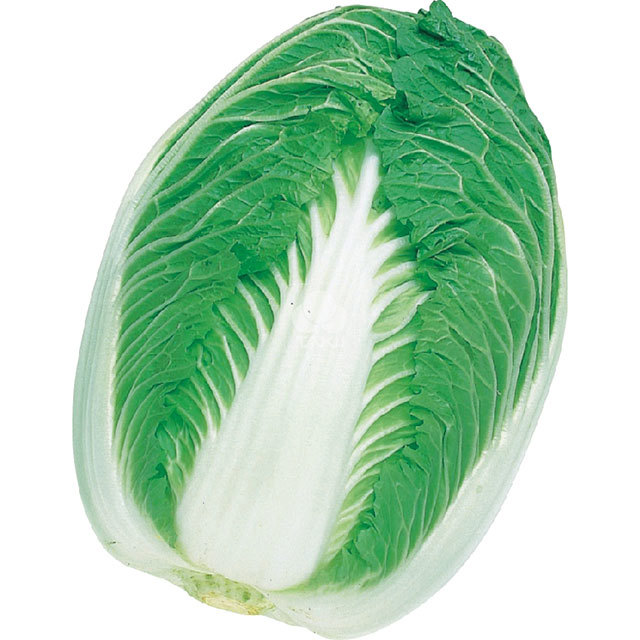
Chinese Cabbage Blues F1 Drooping Leaves
eco Drooping Leaves

Chinese Cabbage Blues F1 – Drooping Leaves

Why does your Chinese Cabbage Blues F1 have drooping leaves? Diagnose the cause and fix it with our step-by-step guide.

search Possible Causes

error

Water Stress (Underwatering or Drought)

Chinese cabbage has large, succulent leaves with high water content; if the soil dries out too quickly, the plant loses turgor pressure causing rapid wilting. This is common in 'Blues F1' during hot midday temperatures.

Very Common
lightbulb
How to confirm: Check the moisture level 2 inches below the soil surface to see if it feels bone dry.
build How to fix it
shopping_cart Recommended Products
1 Immediately check the soil moisture level at the root zone to confirm the extent of the drought.
2 Apply a deep, thorough watering to the base of the plant to restore turgor pressure, ensuring the soil is completely saturated.
3 Apply a layer of organic mulch or organic soil amendments around the base to help retain moisture and prevent future rapid drying.
error

Root Rot (Overwatering/Poor Drainage)

Excessive soil moisture deprives roots of oxygen, leading to decay that prevents the plant from transporting water to the leaves. This results in drooping leaves that may feel limp and soft rather than crisp.

Very Common
lightbulb
How to confirm: Gently lift a plant to inspect if the roots are dark, slimy, or emit an unpleasant odor.
build How to fix it
shopping_cart Recommended Products
1 Immediately reduce watering frequency and ensure the plant is in a container with excellent drainage to allow the soil to dry out.
2 Repot the plant in a fresh, well-aerated medium containing perlite to improve oxygen levels around the roots.
3 Use a moisture meter to monitor the soil depth and prevent future overwatering by ensuring the top inch of soil is dry before watering again.
warning

Bacterial Soft Rot (Erwinia carotovora)

This pathogen attacks the fleshy tissues of Chinese cabbage, causing cells to collapse and leaves to droop and eventually turn into a mushy mass. It often thrives in humid, warm conditions common for brassicas.

Common
lightbulb
How to confirm: Check for a foul, fermented odor coming from the base of the plant or damaged leaf tissue.
build How to fix it
shopping_cart Recommended Products
1 Immediately remove and destroy all infected, mushy plant material and surrounding debris to prevent the bacteria from spreading to healthy cabbage plants.
2 Improve air circulation and reduce humidity around the plants by thinning out dense foliage and ensuring plants are not overcrowded.
3 Apply a copper-based fungicide to protect remaining healthy tissues from further bacterial spread.
warning

Nitrogen Deficiency

Nitrogen is essential for chlorophyll production and structural integrity in brassicas; a lack of it causes leaves to lose vigor and droop. This is often accompanied by a pale green or yellowish color in older leaves.

Common
lightbulb
How to confirm: Observe if the drooping is accompanied by chlorosis (yellowing) starting from the bottom leaves.
build How to fix it
shopping_cart Recommended Products
1 Apply a nitrogen-rich liquid fertilizer to boost chlorophyll production and restore leaf vigor.
2 Supplement the soil with an organic nitrogen source like blood meal to provide long-lasting nutrition.
3 Monitor soil moisture levels to ensure the plant is not drooping due to dehydration instead of nutrient lack.

Other Chinese Cabbage Blues F1 problems

Your plant might also be experiencing one of these issues:

local_hospital All symptoms eco All plants with drooping leaves
favorite