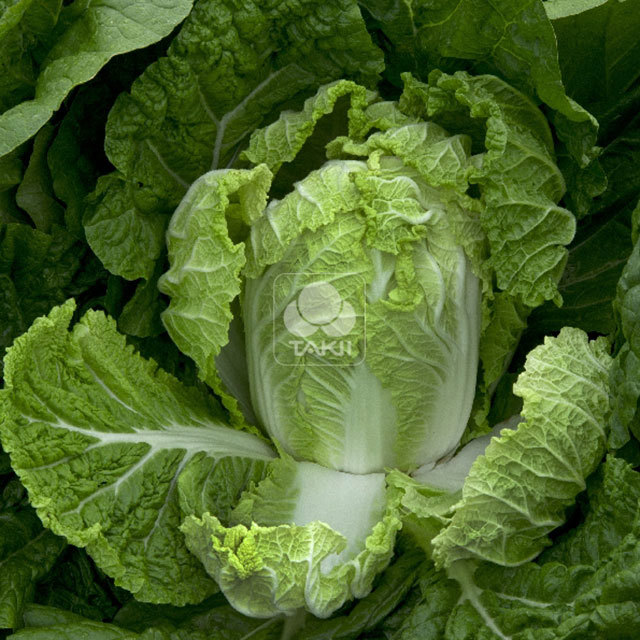
Chinese Cabbage Orient Express F1 Drooping Leaves
eco Drooping Leaves

Chinese Cabbage Orient Express F1 – Drooping Leaves

Why does your Chinese Cabbage Orient Express F1 have drooping leaves? Diagnose the cause and fix it with our step-by-step guide.

pets Pet Friendly

search Possible Causes

error

Water Stress (Underwatering or Drought)

As a high-water-content leafy vegetable, 'Orient Express' cabbage has shallow roots that cannot tolerate prolonged dry periods. When soil moisture drops below a critical threshold, the turgor pressure in the leaves collapses, causing visible drooping.

Very Common
lightbulb
How to confirm: Insert your finger 2 inches into the soil to check if it feels bone-dry to the touch.
build How to fix it
shopping_cart Recommended Products
1 Immediately check the soil moisture level at the root zone to confirm the severity of the drought.
2 Apply a deep, thorough watering to the base of the plant to restore turgor pressure in the leaves.
3 Apply a layer of organic mulch or coconut coir around the base to help retain soil moisture and prevent future drying.
error

Root Rot (Overwatering/Poor Drainage)

Excessive moisture in heavy soils deprives the roots of oxygen, leading to fungal pathogens like Pythium. This prevents the cabbage plant from transporting water upward, resulting in a wilted appearance despite wet soil.

Very Common
lightbulb
How to confirm: Check if the soil remains saturated for long periods and inspect the base of the stem for mushy, dark textures.
build How to fix it
shopping_cart Recommended Products
1 Immediately reduce watering frequency and ensure the plant is in a container with excellent drainage to allow the soil to dry out.
2 Repot the cabbage in a well-aerated, high-porosity medium by mixing in perlite to improve oxygen levels around the roots.
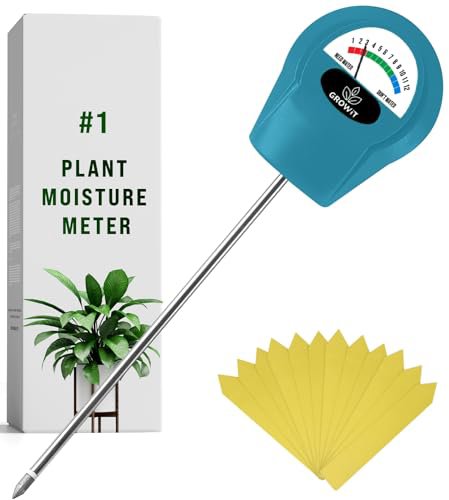
3 Use a moisture meter to monitor the soil depth and prevent future overwatering by ensuring the top inch of soil is dry before watering again.
warning

Transpiration Stress (Heat Exhaustion)

High temperatures and low humidity cause the plant to lose water through its stomata faster than the roots can replace it. This is especially common in 'Orient Express' during midday heat spikes.

Common
lightbulb
How to confirm: Observe if the leaves perk up during the cooler evening or early morning hours.
build How to fix it
shopping_cart Recommended Products
1 Increase local humidity and provide shade during peak heat hours to reduce the rate of water loss through the leaves.
2 Monitor soil moisture levels closely to ensure the roots can keep up with transpiration demands; use a moisture meter to prevent dehydration.
3 Apply a mulch layer or use a pebble tray to help stabilize soil temperature and maintain consistent moisture around the root zone.
warning

Soil-borne Pathogens (e.g., Fusarium Wilt)

Fungal pathogens can colonize the vascular system of the cabbage, physically blocking the flow of nutrients and water through the xylem. This leads to a progressive drooping that often starts with older leaves.

Common
lightbulb
How to confirm: Look for yellowing or browning of leaf edges preceding the wilted state.
build How to fix it
shopping_cart Recommended Products
1 Remove and destroy any heavily affected plants immediately to prevent the spread of soil-borne pathogens to healthy cabbage crops.
2 Sterilize all gardening tools, such as pruning shears, with alcohol to avoid transferring fungal spores between plants.
3 Improve soil health and suppress pathogens by incorporating organic matter or a microbial inoculant to strengthen the plant's root zone.

Other Chinese Cabbage Orient Express F1 problems

Your plant might also be experiencing one of these issues:

local_hospital All symptoms eco All plants with drooping leaves
favorite