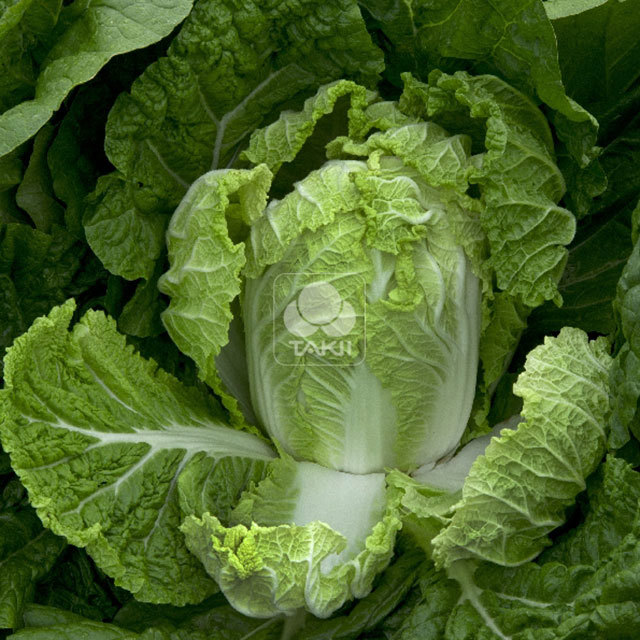
Chinese Cabbage Orient Express F1 Yellow Leaves
eco Yellow Leaves

Chinese Cabbage Orient Express F1 – Yellow Leaves

Why does your Chinese Cabbage Orient Express F1 have yellow leaves? Diagnose the cause and fix it with our step-by-step guide.

pets Pet Friendly

search Possible Causes

error

Nitrogen Deficiency

As a fast-growing leafy vegetable, 'Orient Express' has high nitrogen demands. A lack of nitrogen causes older, lower leaves to turn pale yellow first as the plant mobilizes nutrients to new growth.

Very Common
lightbulb
How to confirm: Look for uniform yellowing starting from the bottom leaves while the newer central leaves remain green.
build How to fix it
shopping_cart Recommended Products
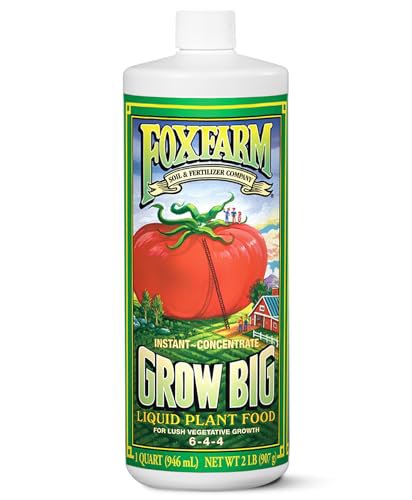
1 Apply a nitrogen-rich liquid fertilizer to provide immediate nutrient uptake for the developing leaves.
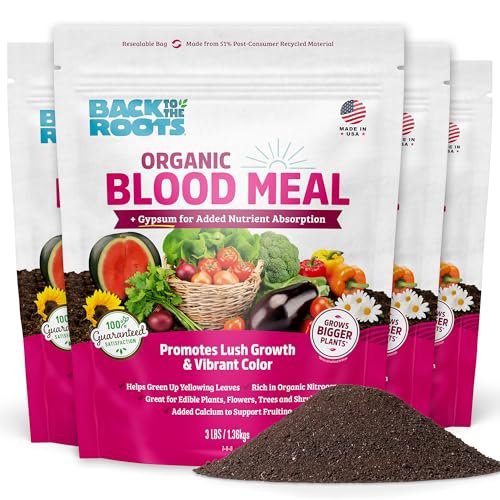
2 Incorporate a high-nitrogen organic amendment into the soil to support long-term leafy growth.
3 Monitor soil moisture levels to ensure the plant can effectively absorb the newly provided nutrients.
error

Overwatering and Soil Compaction

Excessive moisture in the soil reduces oxygen availability to the roots, causing root suffocation. This prevents the cabbage from absorbing essential nutrients, leading to overall chlorosis (yellowing).

Very Common
lightbulb
How to confirm: Stick your finger 2 inches into the soil; if it is soggy and the leaves feel limp, reduce watering frequency.
build How to fix it
shopping_cart Recommended Products
1 Immediately reduce watering frequency and allow the top inch of soil to dry out completely before watering again to prevent further root suffocation.
2 Gently aerate the soil surface with a small tool to alleviate compaction and improve oxygen flow to the root zone.
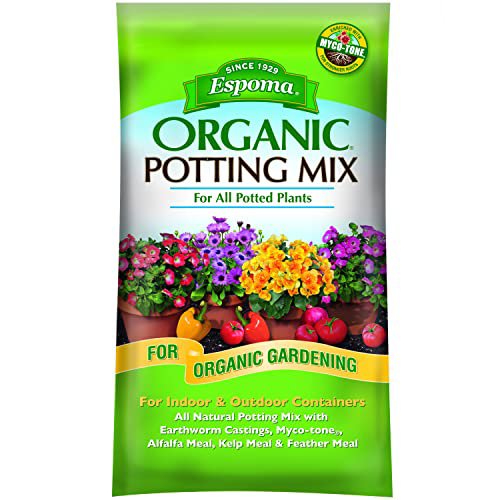
3 Repot the cabbage into a well-draining medium enriched with perlite to ensure better aeration and prevent future waterlogging.
warning

Clubroot (Plasmodiophora cruciferum)

This soil-borne pathogen causes galls on the roots of brassicas. The distorted root system cannot transport water or nutrients, resulting in yellowing leaves and stunted growth.

Common
lightbulb
How to confirm: Gently pull the plant to see if there are any abnormal swellings or 'clubs' on the root mass.
build How to fix it
shopping_cart Recommended Products
1 Remove and destroy the infected plant immediately to prevent the soil-borne pathogen from spreading to healthy brassicas.
2 Treat the affected soil area with lime to raise the pH, as clubroot thrives in acidic conditions.
3 For future plantings, use a fresh, sterile growing medium and ensure excellent drainage to prevent the spread of the pathogen.
warning

Iron Chlorosis

In alkaline soils (high pH), iron becomes chemically unavailable to the cabbage. This results in interveinal chlorosis, where leaf veins remain green but the tissue between them turns yellow.

Common
lightbulb
How to confirm: Check if the yellowing is specifically occurring between the veins of the newest leaves.
build How to fix it
shopping_cart Recommended Products
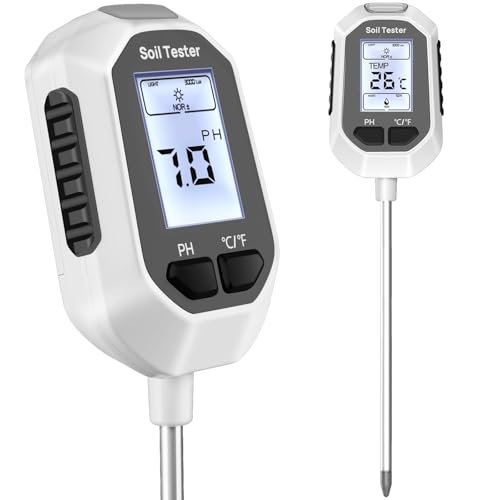
1 Test your soil pH to confirm alkalinity; iron deficiency is most common when pH levels rise above 7.0.
2 Apply a chelated iron supplement or an acidifying soil amendment to lower the pH and make iron bioavailable to the cabbage.
3 Amend the soil with organic matter like compost or peat moss to help buffer the pH and improve nutrient uptake.

Other Chinese Cabbage Orient Express F1 problems

Your plant might also be experiencing one of these issues:

local_hospital All symptoms eco All plants with yellow leaves
favorite