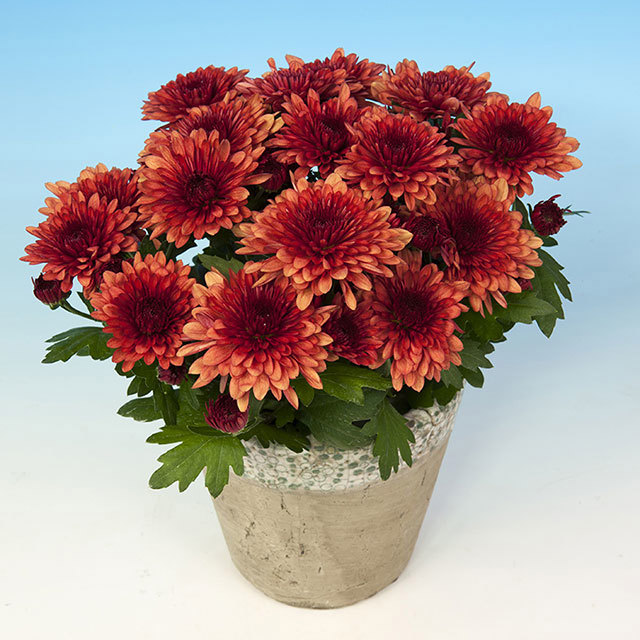
Why does your Chrysanthemum Borilli have fine webbing? Diagnose the cause and fix it with our step-by-step guide.
These microscopic arachnids thrive in the warm, dry conditions often experienced by Chrysanthemums, feeding on leaf cells and leaving behind fine silk webbing as they migrate.
Specifically adapted to this genus, these mites produce fine webbing that can cause leaves to turn yellow and eventually bronze or necrotic.
While not a direct cause of webbing, high humidity causing cell rupture can create surface textures that trap dust or debris, which may be mistaken for light webbing in Chrysanthemums.
Your plant might also be experiencing one of these issues:

 English
 Italiano