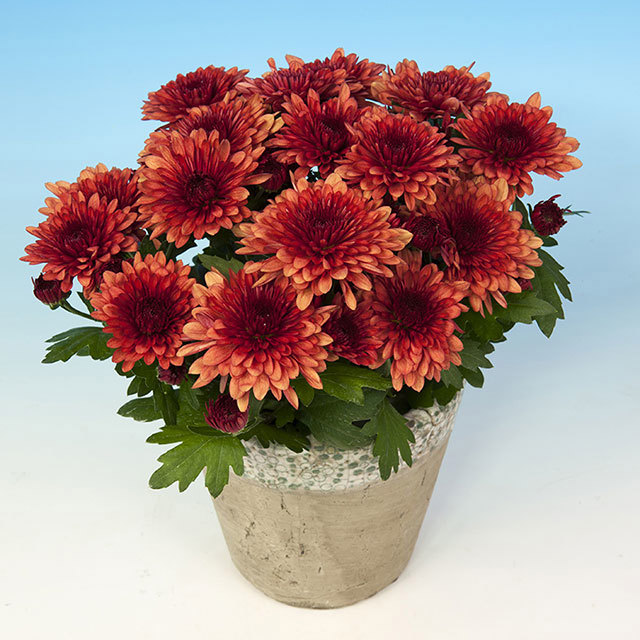
Chrysanthemum Borilli Yellow Leaves
eco Yellow Leaves

Chrysanthemum Borilli – Yellow Leaves

Why does your Chrysanthemum Borilli have yellow leaves? Diagnose the cause and fix it with our step-by-step guide.

search Possible Causes

error

Nitrogen Deficiency

Chrysanthemums are heavy feeders, and a lack of nitrogen prevents the production of chlorophyll, causing older leaves to turn pale yellow first. This is common in 'Borilli' during their rapid growth phase if soil nutrients are depleted.

Very Common
lightbulb
How to confirm: Observe if the yellowing starts on the bottom-most leaves and progresses upward toward the new growth.
build How to fix it
shopping_cart Recommended Products
1 Apply a nitrogen-rich liquid fertilizer to provide immediate nutrient uptake and restore chlorophyll production.
2 Incorporate an organic soil amendment like worm castings into the top layer of soil to provide a slow-release nitrogen source.
3 Monitor soil moisture levels with a meter to ensure the plant can effectively absorb the newly applied nutrients.
error

Overwatering and Root Suffocation

Excessive moisture in the substrate leads to anaerobic conditions, causing root rot which prevents the plant from transporting nutrients. This often manifests as limp, yellowing foliage in Chrysanthemums.

Very Common
lightbulb
How to confirm: Stick your finger two inches into the soil; if it feels saturated or smells sour/musty, you are overwatering.
build How to fix it
shopping_cart Recommended Products
1 Immediately reduce watering frequency and allow the top inch of soil to dry out completely before watering again to prevent further root rot.
2 Repot the plant in a well-draining potting mix amended with perlite to improve aeration and prevent future root suffocation.
3 Trim away any mushy, blackened, or dead roots discovered during repotting to stop the spread of decay.
warning

Spider Mite Infestation

Two-spotted spider mites feed on the underside of Chrysanthemum leaves, injecting toxins that cause chlorotic spotting and eventual yellowing. This is a common pest for this cultivar in dry, indoor environments.

Common
lightbulb
How to confirm: Hold a white piece of paper under a leaf and tap it to see if tiny moving specks fall onto the paper.
build How to fix it
shopping_cart Recommended Products
1 Apply an organic miticide to eliminate the spider mite population and protect healthy plant tissue.
2 Increase local humidity by using a fine mist spray to create an environment less favorable to spider mites.
3 Prune and discard any heavily yellowed or infested leaves to prevent the mites from spreading further throughout the plant.
warning

Temperature Stress (Cold Shock)

Chrysanthemums are sensitive to sudden drops in temperature or frost. Rapid fluctuations can cause metabolic disruption, leading to chlorosis and leaf yellowing as the plant enters a defensive state.

Common
lightbulb
How to confirm: Check if there has been a significant drop in nighttime temperatures or if the plant is sitting in a cold draft near a window.
build How to fix it
shopping_cart Recommended Products
1 Move the plant to a stable, warmer environment and protect it from drafts or sudden temperature drops to stabilize its metabolism.
2 Monitor soil moisture closely to ensure the plant is not being overwatered while in a stressed state, as cold soil can lead to root rot.
3 Apply a mild liquid fertilizer to help the plant recover once temperatures have stabilized and new growth appears.

Other Chrysanthemum Borilli problems

Your plant might also be experiencing one of these issues:

local_hospital All symptoms eco All plants with yellow leaves
favorite