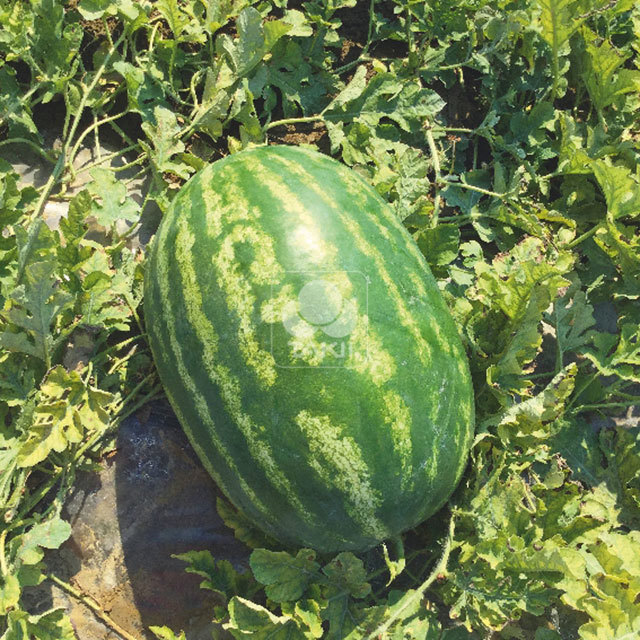
Citrullus lanatus E-42 F1 Sudden Leaf Drop
eco Sudden Leaf Drop

Citrullus lanatus E-42 F1 – Sudden Leaf Drop

Why does your Citrullus lanatus E-42 F1 have sudden leaf drop? Diagnose the cause and fix it with our step-by-step guide.

search Possible Causes

error

Fusarium Wilt (Fusarium oxysporum f. sp. niveum)

This soil-borne fungus invades the vascular system of the watermelon plant, blocking water transport. This leads to rapid wilting and sudden leaf abscission, often starting on one side of the plant.

Very Common
lightbulb
How to confirm: Check if the stems show internal browning when cut crosswise.
build How to fix it
shopping_cart Recommended Products
1 Immediately remove and destroy the infected plant and any surrounding debris to prevent the soil-borne fungus from spreading to healthy plants.
2 Sterilize all gardening tools, such as pruning shears, with alcohol or a bleach solution to avoid cross-contamination.
3 Avoid planting watermelon or related cucurbits in this soil for at least 2-3 years, and consider amending the area with organic matter like worm castings to improve soil health.
error

Water Stress (Drought or Waterlogging)

Extreme fluctuations in soil moisture cause physiological shock in Citrullus lanatus. Rapid drying causes leaves to drop to conserve moisture, while waterlogging leads to root hypoxia and subsequent leaf shed.

Very Common
lightbulb
How to confirm: Feel the soil depth at the root zone to see if it is bone-dry or saturated.
build How to fix it
shopping_cart Recommended Products
1 Check the soil moisture level immediately using a moisture meter to determine if the plant is suffering from drought or waterlogging.
2 If the soil is bone dry, provide a deep, slow watering to rehydrate the root zone; if the soil is saturated, ensure the pot has excellent drainage and avoid further watering until the top inch of soil dries.
3 To prevent future moisture fluctuations, consider amending your soil with perlite to improve aeration and drainage.
warning

Downy Mildew (Pseudoperonospora cubensis)

Severe infection of the leaf tissue can lead to rapid necrosis and premature leaf drop. The pathogen thrives in high humidity and cool temperatures, attacking the foliage aggressively.

Common
lightbulb
How to confirm: Look for angular, yellow lesions on the upper leaf surface with fuzzy gray growth underneath.
build How to fix it
shopping_cart Recommended Products
1 Apply an organic fungicide to control the spread of the pathogen and protect remaining healthy foliage.
2 Prune and carefully dispose of all infected, necrotic leaves to reduce the pathogen load in the garden.
3 Improve air circulation around the watermelon plants and avoid overhead watering to lower humidity levels around the leaves.
warning

Nutrient Deficiency (Nitrogen or Potassium)

A sudden lack of mobile nutrients forces the watermelon plant to remobilize resources from older leaves to new growth, resulting in senescence and leaf drop.

Common
lightbulb
How to confirm: Examine if the older, lower leaves are turning yellow before dropping.
build How to fix it
shopping_cart Recommended Products
1 Apply a balanced liquid fertilizer to provide immediate nitrogen and potassium uptake for the remaining foliage.
2 Supplement the soil with an organic nitrogen-rich amendment to support long-term vegetative growth and prevent future leaf drop.
3 Monitor soil moisture levels using a moisture meter to ensure the plant is not experiencing water stress, which can mimic nutrient deficiency symptoms.

Other Citrullus lanatus E-42 F1 problems

Your plant might also be experiencing one of these issues:

local_hospital All symptoms eco All plants with sudden leaf drop
favorite