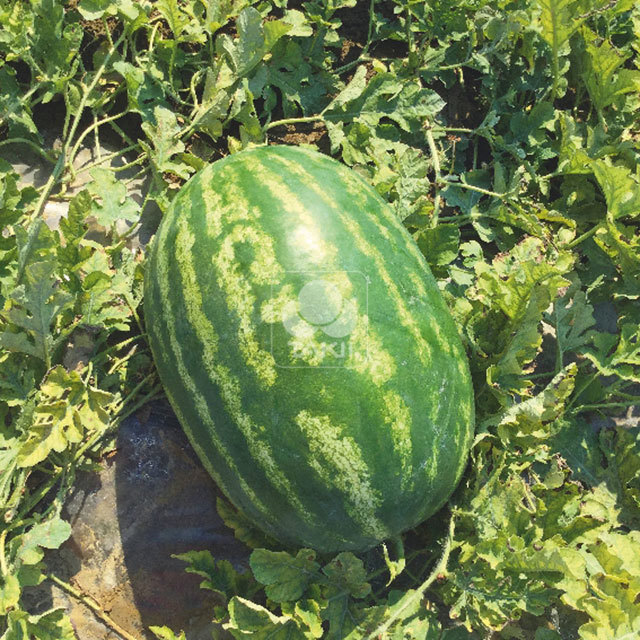
Why does your Citrullus lanatus E-42 F1 have white cottony spots? Diagnose the cause and fix it with our step-by-step guide.
This is the most common fungal pathogen for watermelon, appearing as white, flour-like patches on leaves and stems. It thrives in high humidity and moderate temperatures, eventually causing leaves to yellow and curl.
These small insects secrete a white, waxy, cottony substance to protect themselves while feeding on the plant's sap. They often cluster near nodes or new growth, causing stunted development in watermelon vines.
These scale insects produce a thick, white, cottony mass of wax to shield their bodies. They feed on the phloem of the watermelon plant, which can lead to leaf yellowing and potential sooty mold growth.
Your plant might also be experiencing one of these issues:

 English
 Italiano