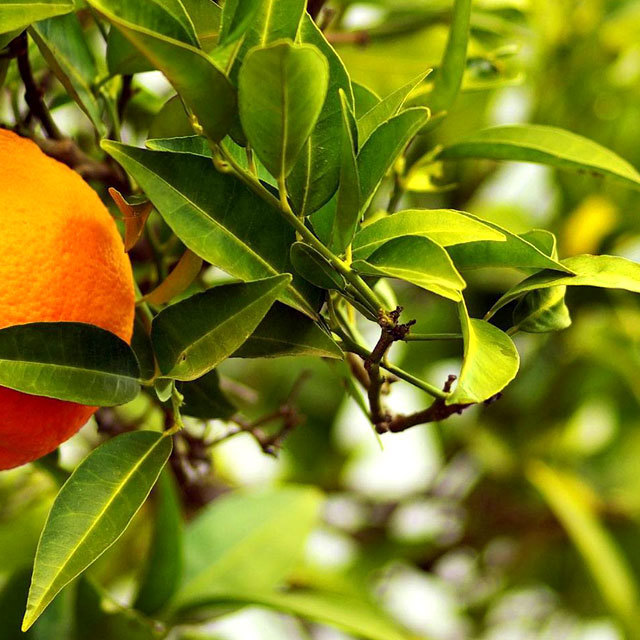
Citrus aurantium Drooping Leaves
eco Drooping Leaves

Citrus aurantium – Drooping Leaves

Why does your Citrus aurantium have drooping leaves? Diagnose the cause and fix it with our step-by-step guide.

search Possible Causes

error

Water Stress (Underwatering or Overwatering)

Bitter oranges are sensitive to inconsistent soil moisture. Drought stress causes leaves to lose turgor pressure, while waterlogged soil leads to root hypoxia and subsequent wilting.

Very Common
lightbulb
How to confirm: Insert your finger 2 inches into the soil; if it is bone dry, the plant needs water, but if it is soggy, you are likely overwatering.
build How to fix it
shopping_cart Recommended Products
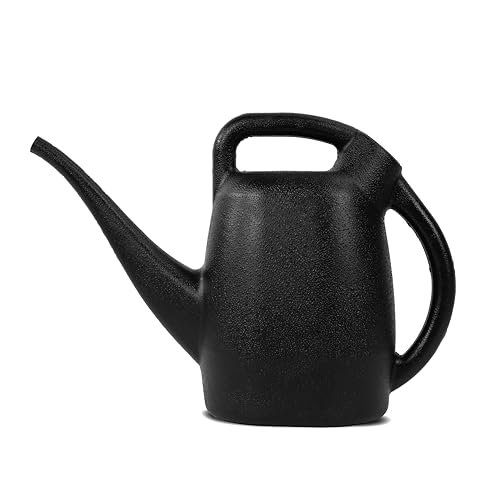
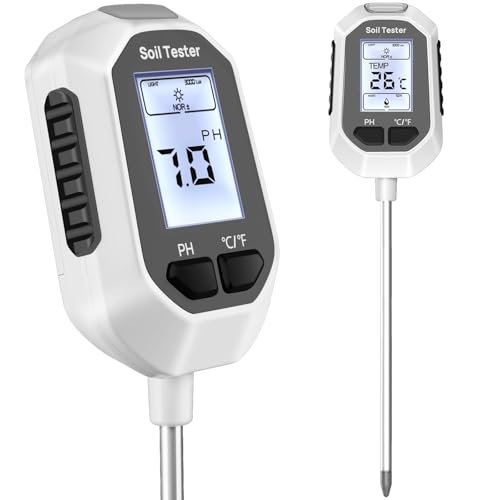
1 Check the soil moisture level at the root zone using a moisture meter to determine if the plant is suffering from drought or waterlogging.
2 If the soil is bone dry, thoroughly water the plant until water drains from the bottom; if the soil is saturated, allow it to dry out completely before the next watering.
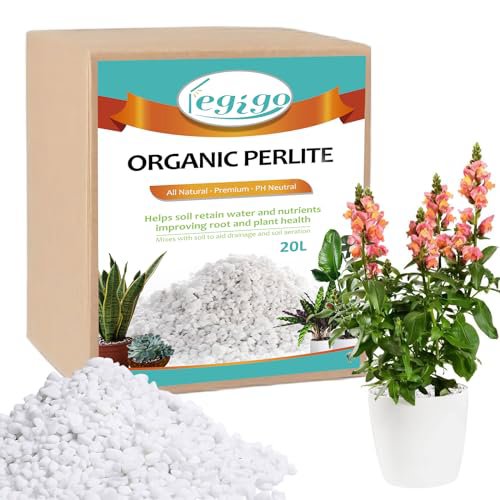
3 Ensure the plant is in a container with excellent drainage and consider adding perlite to the soil to improve aeration and prevent future waterlogging.
error

Root Rot (Phytophthora)

Citrus trees are highly susceptible to Phytophthora species in poorly draining soils. This pathogen destroys the fine feeder roots, preventing the tree from transporting water to the leaves.

Very Common
lightbulb
How to confirm: Gently lift the edge of the root ball or check the base of the trunk for dark, water-soaked lesions on the bark.
build How to fix it
shopping_cart Recommended Products
1 Immediately inspect the roots for mushy, dark brown, or foul-smelling decay and prune away all affected areas using sterilized tools.
2 Repot the tree in a fresh, well-draining medium enriched with perlite or clay pebbles to improve aeration and prevent future waterlogging.
3 Transition to a more porous potting mix and use a moisture meter to ensure the soil is allowed to dry out significantly between waterings.
warning

Nutrient Deficiency (Iron Chlorosis)

In high pH (alkaline) soils, Citrus aurantium cannot effectively uptake iron. This often presents with drooping and yellowing between the leaf veins, known as interveinal chlorosis.

Common
lightbulb
How to confirm: Observe if the leaves are turning yellow while the veins remain distinctly green.
build How to fix it
shopping_cart Recommended Products
1 Test your soil pH to confirm alkalinity; for Citrus aurantium, aim for a slightly acidic range of 6.0 to 7.0 to ensure iron availability.
2 Apply a chelated iron supplement or a balanced fertilizer to help the plant overcome the uptake blockage caused by high pH.
3 Amend the soil with organic matter to help lower the pH and improve nutrient accessibility.
warning

Temperature Extremes

Bitter orange trees are sensitive to frost and extreme heat. Rapid temperature fluctuations can cause physiological shock, leading to temporary leaf drooping or wilting.

Common
lightbulb
How to confirm: Check if the drooping coincided with a recent cold snap below 32°F (0°C) or an intense heatwave.
build How to fix it
shopping_cart Recommended Products
1 Move the plant to a stable environment with consistent temperatures, away from cold drafts or direct heat sources like radiators.
2 Monitor soil moisture levels closely during temperature shifts to ensure the roots are not experiencing drought or waterlogging stress.
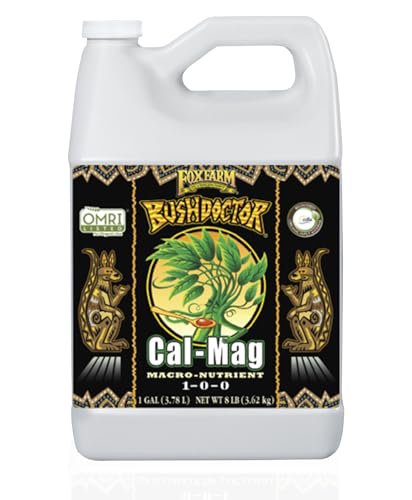
3 Apply a liquid seaweed fertilizer to help the tree recover from environmental stress and boost nutrient uptake.

Other Citrus aurantium problems

Your plant might also be experiencing one of these issues:

local_hospital All symptoms eco All plants with drooping leaves
favorite