Citrus aurantium Sudden Leaf Drop
eco Sudden Leaf Drop

Citrus aurantium – Sudden Leaf Drop

Why does your Citrus aurantium have sudden leaf drop? Diagnose the cause and fix it with our step-by-step guide.

search Possible Causes

error

Root Rot (Phytophthora)

Excessive soil moisture or poor drainage in Citrus aurantium leads to fungal attack on the root system, causing the tree to shed leaves rapidly as it loses the ability to transport water. This is particularly common in citrus when the substrate remains saturated for extended periods.

Very Common
lightbulb
How to confirm: Check if the base of the trunk feels soft/mushy and inspect the roots for dark, slimy patches.
build How to fix it
shopping_cart Recommended Products
1 Immediately inspect the roots for mushy, dark brown decay and prune away any rotted sections using sterilized tools.
2 Repot the tree in a well-draining, airy medium by mixing existing soil with perlite or horticultural grit to improve aeration.
3 Ensure the plant is in a container with excellent drainage and use a moisture meter to prevent future overwatering.
error

Extreme Temperature Stress

Bitter orange is sensitive to sudden frost or extreme heat waves, which triggers a physiological defense mechanism known as abscission. Rapid fluctuations in temperature cause the tree to drop foliage to conserve moisture and energy.

Very Common
lightbulb
How to confirm: Check local weather logs for recent frost events or heat spikes above 95°F (35°C).
build How to fix it
shopping_cart Recommended Products
1 Relocate the plant to a stable environment protected from frost or extreme heat waves to prevent further physiological stress.
2 Apply a liquid seaweed fertilizer to help the tree recover from environmental shock and boost nutrient uptake.
3 Monitor soil moisture levels closely using a moisture meter to ensure the roots are neither waterlogged nor desiccated during this recovery phase.
warning

Citrus Leafminer (Phyllocnistis citrella) Infestation

While leafminers primarily cause serpentine tunnels, a heavy infestation on young growth can cause significant physiological stress and premature leaf senescence in Citrus aurantium. This often leads to secondary infections that force the tree to shed affected leaves.

Common
lightbulb
How to confirm: Examine new, light-green growth for silvery, winding trails beneath the leaf surface.
build How to fix it
shopping_cart Recommended Products
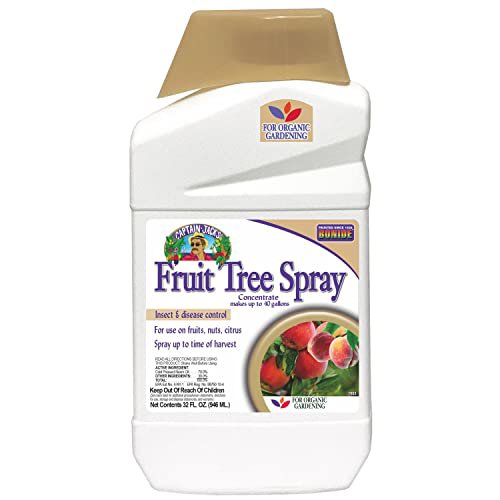
1 Apply an organic insecticide/miticide spray to the tree to eliminate citrus leafminer larvae and protect new growth from further infestation.
2 Prune and carefully dispose of heavily infested or damaged leaves and branches to reduce the pest population and prevent secondary infections.
3 Monitor soil moisture levels to ensure the tree is not experiencing additional physiological stress from overwatering or underwatering.
warning

Nutrient Deficiency (Nitrogen or Magnesium)

A severe lack of mobile nutrients like Nitrogen or Magnesium prevents the leaves from maintaining chlorophyll levels, leading to chlorosis and eventual drop. This is common in citrus trees planted in depleted or overly acidic soils.

Common
lightbulb
How to confirm: Look for uniform yellowing of older leaves (Nitrogen) or interveinal chlorosis on older foliage (Magnesium).
build How to fix it
shopping_cart Recommended Products
1 Apply a specialized citrus fertilizer to replenish essential nitrogen and magnesium levels.
2 Supplement with a magnesium-rich additive to strengthen cell walls and prevent further chlorosis.
3 Check soil pH and moisture levels to ensure the roots can effectively absorb nutrients.

Other Citrus aurantium problems

Your plant might also be experiencing one of these issues:

local_hospital All symptoms eco All plants with sudden leaf drop
favorite