Citrus sinensis Drooping Leaves
eco Drooping Leaves

Citrus sinensis – Drooping Leaves

Why does your Citrus sinensis have drooping leaves? Diagnose the cause and fix it with our step-by-step guide.

search Possible Causes

error

Water Stress (Underwatering or Overwatering)

Loss of turgor pressure in citrus leaves is most commonly caused by drought stress or root hypoxia from waterlogged soil. While underwatering causes wilting to save moisture, overwatering leads to root rot which prevents the tree from absorbing water.

Very Common
lightbulb
How to confirm: Insert your finger 2 inches into the soil; if it is bone dry, the tree needs water, but if it is soggy, you are likely overwatering.
build How to fix it
shopping_cart Recommended Products
1 Check the soil moisture level at the root zone using a moisture meter to determine if the soil is bone-dry or waterlogged.
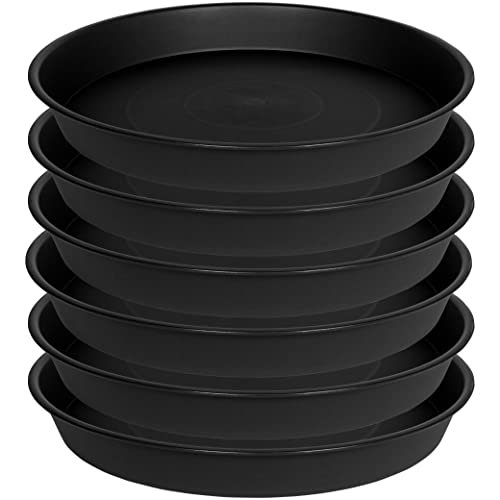
2 If the soil is dry, thoroughly water the tree; if the soil is saturated, allow it to dry out completely and ensure the pot has proper drainage.
3 If overwatering is confirmed, repot the tree in a well-draining medium like a mix containing perlite to prevent future root rot.
error

Phytophthora Root Rot

This soil-borne pathogen attacks the root system of Citrus sinensis, specifically targeting the bark and roots. As the root system decays, the tree loses its ability to transport water to the canopy, resulting in permanent drooping.

Very Common
lightbulb
How to confirm: Check the base of the trunk for dark, water-soaked lesions or 'cankers' just below the soil line.
build How to fix it
shopping_cart Recommended Products
1 Immediately prune away any mushy, darkened, or decaying roots and stems to prevent the spread of the pathogen.
2 Repot the tree in a highly aerated, well-draining medium to reduce moisture retention around the root zone.
3 Monitor soil moisture levels strictly using a meter to ensure the soil is not staying saturated, which promotes Phytophthora growth.
warning

Nutrient Deficiency (Nitrogen or Iron)

A lack of essential nutrients like Nitrogen can cause overall foliage decline and drooping. Iron chlorosis, often caused by high soil pH, prevents the tree from producing chlorophyll, weakening the leaf structure.

Common
lightbulb
How to confirm: Observe if the leaves are turning pale yellow while the veins remain green (Iron) or if the entire leaf is turning a uniform light green (Nitrogen).
build How to fix it
shopping_cart Recommended Products
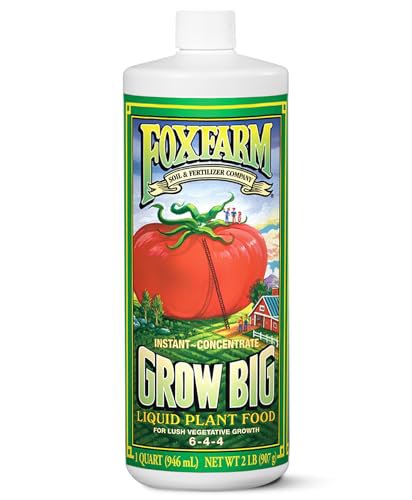
1 Apply a nitrogen-rich fertilizer to boost foliage production and leaf strength.
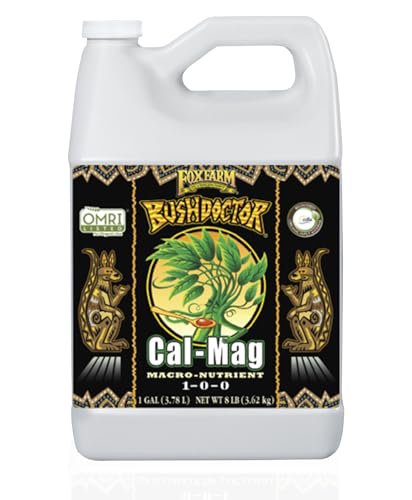
2 Supplement with a calcium and magnesium fertilizer to help stabilize soil pH and improve nutrient uptake.
3 Monitor soil moisture levels using an analog meter to ensure the tree is not suffering from water stress alongside the deficiency.
warning

Citrus Leafminer Infestation

The larvae of this pest tunnel through the leaf tissue, creating serpentine tracks. This damage disrupts the vascular flow and structural integrity of the orange leaves, causing them to curl and droop.

Common
lightbulb
How to confirm: Inspect the surface of young, tender leaves for silvery, winding trails or 'mines'.
build How to fix it
shopping_cart Recommended Products
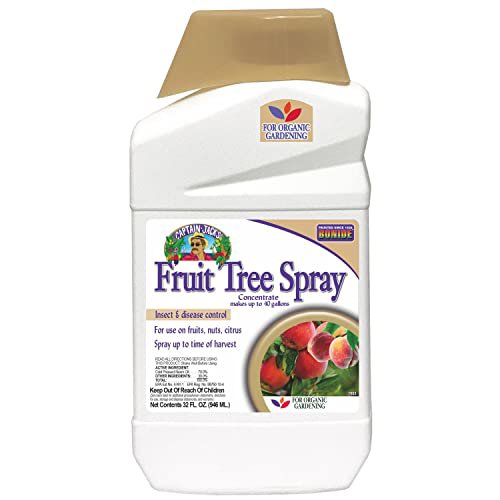
1 Apply an organic insecticide spray to the leaves to eliminate citrus leafminer larvae and protect new growth.
2 Prune and carefully dispose of heavily damaged or curling leaves to prevent the larvae from spreading to healthy foliage.
3 Monitor soil moisture levels to ensure the tree is not also suffering from water stress, which can exacerbate drooping.

Other Citrus sinensis problems

Your plant might also be experiencing one of these issues:

local_hospital All symptoms eco All plants with drooping leaves
favorite