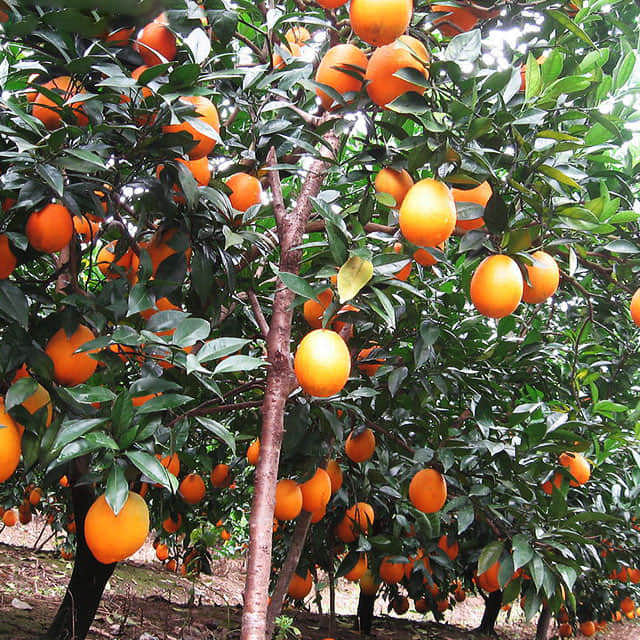
Citrus sinensis Tiny Black Flies
eco Tiny Black Flies

Citrus sinensis – Tiny Black Flies

Why does your Citrus sinensis have tiny black flies? Diagnose the cause and fix it with our step-by-step guide.

search Possible Causes

error

Citrus Fruit Fly (Ceratitis capitata)

The adult flies lay eggs under the skin of the developing orange fruit, where larvae then consume the pulp. This leads to internal rot and premature fruit drop.

Very Common
lightbulb
How to confirm: Inspect unblematic-looking oranges for small puncture marks or soft, decaying spots on the rind.
build How to fix it
shopping_cart Recommended Products
1 Apply an organic insecticide spray to eliminate adult flies and prevent further egg-laying on the fruit.
2 Remove and destroy any fallen or visibly rotting fruit immediately to break the life cycle of the larvae.
3 Use yellow sticky traps around the tree to monitor and capture emerging adult flies.
error

Black Citrus Psyllid (Diaphorina citri)

While primarily known for transmitting Huanglongbing (HLB), these tiny insects feed on new citrus flush, causing leaf distortion and scale-like secretions.

Very Common
lightbulb
How to confirm: Look for tiny, dark insects clinging to the undersides of young, tender orange leaves and shoots.
build How to fix it
shopping_cart Recommended Products
1 Apply an organic insecticide spray to eliminate the psyllid adults and larvae on the new growth.
2 Monitor the tree for any signs of fungal issues or secondary infections caused by the psyllid's secretions.
3 Prune away any heavily distorted or damaged new shoots to reduce the insect population and prevent further spread.
warning

Fungus Gnats

The adult flies live in the organic matter of the soil; while they don't eat the tree directly, their larvae can feed on fine feeder roots of the orange tree.

Common
lightbulb
How to confirm: Check if the flies emerge specifically from the surface of the potting medium or soil around the trunk.
build How to fix it
shopping_cart Recommended Products
1 Deploy yellow sticky traps to capture adult flies and prevent further breeding cycles.
2 Reduce watering frequency and allow the top inch of soil to dry out to disrupt the larvae's moist habitat.
3 Apply a microbial-based soil drench to target and eliminate larvae living in the organic matter.
warning

Oleander Psyllid

These small insects feed on the citrus sap, causing leaf curling and 'honeydew' production which can attract secondary pests like sooty mold.

Common
lightbulb
How to confirm: Check for sticky residue on the leaves and observe if the leaves are curling or puckering upward.
build How to fix it
shopping_cart Recommended Products
1 Apply an organic insecticide spray to eliminate the psyllid adults and larvae, specifically targeting the undersides of leaves where they feed.
2 Thoroughly wash the leaves with water to remove 'honeydew' residue, which prevents the secondary growth of sooty mold and discourages other pests.
3 Monitor the tree's health and nutrient levels to ensure the tree is strong enough to recover from sap loss.

Other Citrus sinensis problems

Your plant might also be experiencing one of these issues:

local_hospital All symptoms eco All plants with tiny black flies
favorite