Coriandrum sativum Leggy Stems
eco Leggy Stems

Coriandrum sativum – Leggy Stems

Why does your Coriandrum sativum have leggy stems? Diagnose the cause and fix it with our step-by-step guide.

pets Pet Friendly

search Possible Causes

error

Insufficient Light Exposure

Coriander is a sun-loving herb that requires significant light to maintain structural integrity. When light levels are low, the plant undergoes etiolation, stretching its stems rapidly to reach for a light source.

Very Common
lightbulb
How to confirm: Observe if the stems are pale and thin while leaning toward windows or light sources.
build How to fix it
shopping_cart Recommended Products
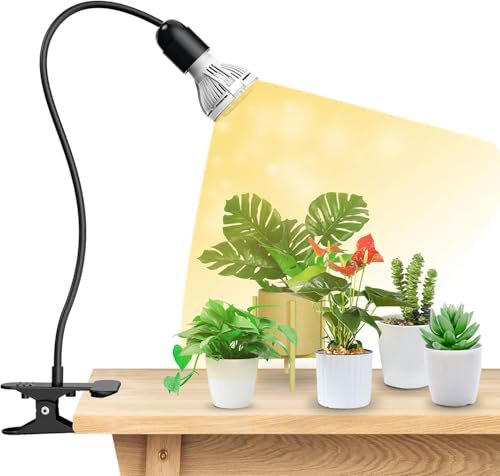
1 Move your coriander to a location that receives at least 6 to 8 hours of direct sunlight daily to prevent further stretching.
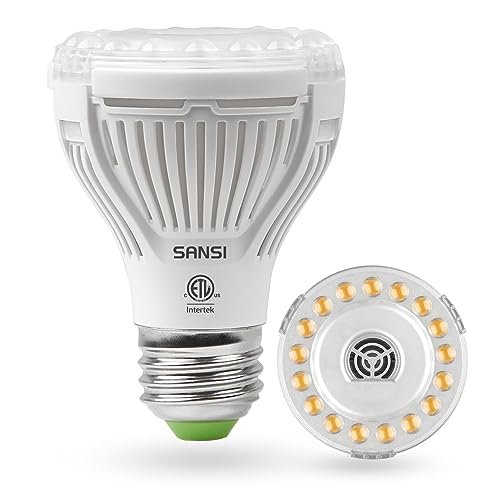
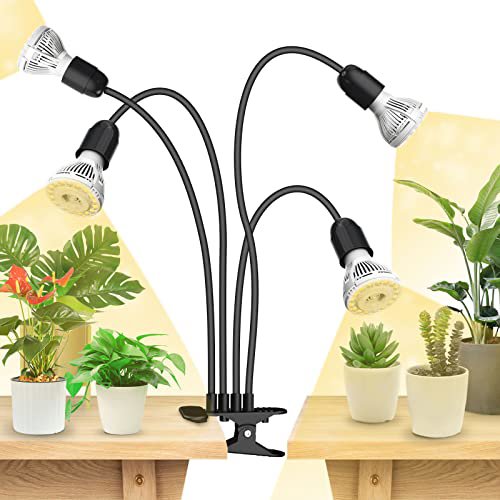
2 Supplement with a full-spectrum grow light to provide the necessary intensity for structural strength.
3 Prune any excessively weak or collapsed stems to encourage more compact, bushy growth from the base.
error

High Temperature/Heat Stress

Coriander is prone to bolting when temperatures rise, which triggers rapid stem elongation and flowering. Excessive heat accelerates the life cycle, leading to weak, spindly growth.

Very Common
lightbulb
How to confirm: Check if the plant has begun producing a thicker central stalk or small flower buds at the top.
build How to fix it
shopping_cart Recommended Products
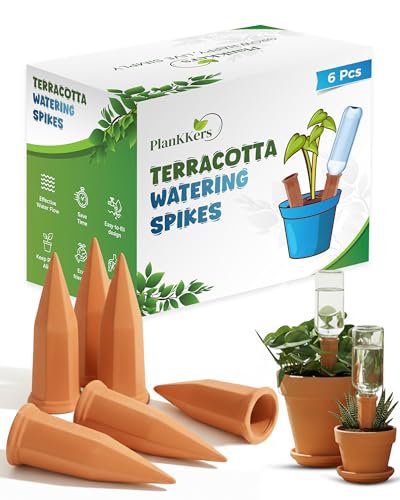
1 Relocate your coriander to a cooler, shaded area or use a shade cloth to protect the plant from direct, intense sunlight and heat.
2 Increase ambient humidity and maintain consistent soil moisture to mitigate heat stress and prevent the plant from bolting.
3 Supplement with a full-spectrum light if the leggy growth is due to insufficient light intensity, but ensure the environment remains cool.
warning

Overwatering and Poor Drainage

Excessive moisture in the soil can cause root hypoxia, leading to weak root systems that cannot support vigorous stem growth. This results in 'floppy' or leggy appearance due to lack of structural stability.

Common
lightbulb
How to confirm: Press your finger into the soil to see if it remains saturated long after a watering session.
build How to fix it
shopping_cart Recommended Products
1 Check the soil moisture levels immediately using a moisture meter to ensure the root zone is not staying saturated.
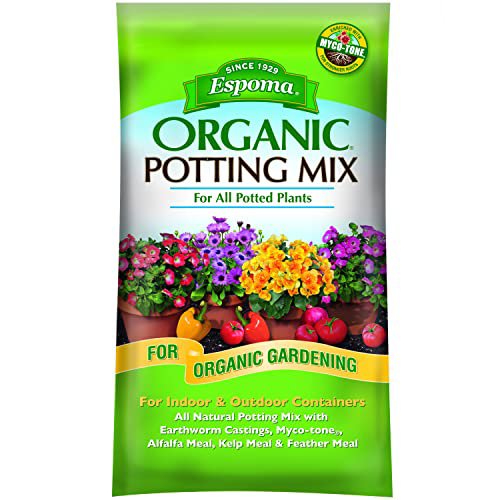
2 Repot the coriander in a well-draining medium and ensure the container has adequate drainage holes to prevent water pooling.
3 Add horticultural perlite to your potting mix to improve aeration and prevent future root hypoxia.
warning

Nitrogen Deficiency

While nitrogen promotes foliage, an extreme imbalance or lack of micronutrients can lead to disorganized growth patterns. Without proper nutrient uptake, the plant may struggle to develop dense, leafy structures.

Common
lightbulb
How to confirm: Inspect the leaves for yellowing (chlorosis) alongside the elongated stems.
build How to fix it
shopping_cart Recommended Products
1 Apply a nitrogen-rich liquid fertilizer to stimulate lush, leafy growth and strengthen the plant's structure.
2 Ensure the plant is receiving adequate light to prevent further stretching and leggy growth.
3 Monitor soil moisture levels regularly to ensure the roots can effectively absorb available nutrients.

Other Coriandrum sativum problems

Your plant might also be experiencing one of these issues:

local_hospital All symptoms eco All plants with leggy stems
favorite