Coriandrum sativum Yellow Leaves
eco Yellow Leaves

Coriandrum sativum – Yellow Leaves

Why does your Coriandrum sativum have yellow leaves? Diagnose the cause and fix it with our step-by-step guide.

pets Pet Friendly

search Possible Causes

error

Nitrogen Deficiency

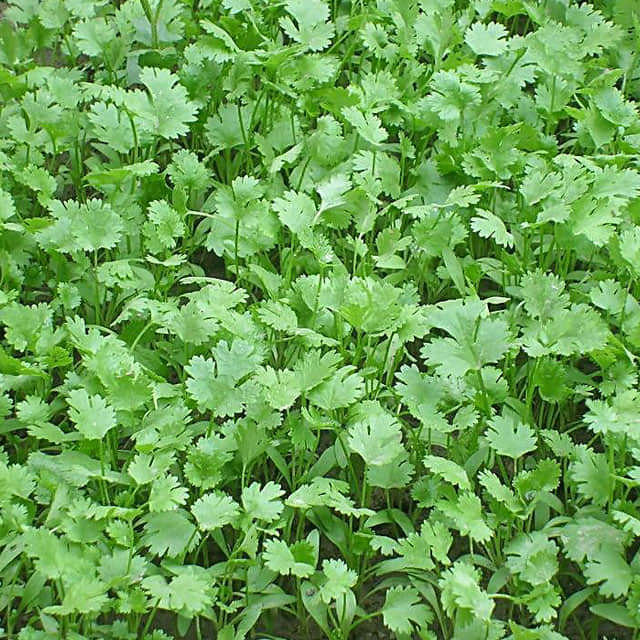
Coriander is a heavy feeder that requires consistent nitrogen for leaf development. Yellowing usually starts with older, lower leaves as the plant translocates nutrients to new growth.

Very Common
lightbulb
How to confirm: Observe if the yellowing is progressing from the bottom of the plant upwards toward the new tips.
build How to fix it
shopping_cart Recommended Products
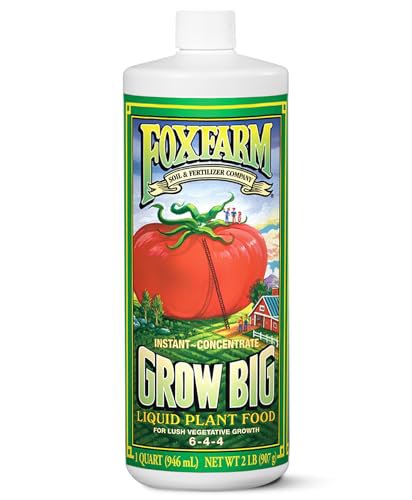
1 Apply a nitrogen-rich liquid fertilizer to provide immediate nutrient uptake for new leaf development.
2 Incorporate an organic soil amendment like worm castings into the top layer of soil to provide a slow-release nitrogen source.
3 Monitor soil moisture levels with a moisture meter to ensure the nitrogen is being effectively transported to the roots without causing waterlogging.
error

Overwatering and Root Hypoxia

Coriander has a sensitive taproot system that is prone to rot if the soil remains waterlogged. Lack of oxygen in the soil prevents nutrient uptake, resulting in chlorosis (yellowing).

Very Common
lightbulb
How to confirm: Stick your finger deep into the soil to check if it feels saturated or muddy even several inches down.
build How to fix it
shopping_cart Recommended Products
1 Immediately stop watering and allow the soil to dry out completely to restore oxygen levels to the root zone.
2 Repot the coriander in a well-draining medium enriched with perlite to prevent future waterlogging and improve aeration.
3 Ensure the plant is in a container with adequate drainage and use a saucer to catch excess water, but do not let the pot sit in standing water.
warning

Heat Stress and Bolting

As a cool-season herb, Coriander undergoes physiological changes when temperatures rise. Yellowing often precedes 'bolting,' where the plant shifts energy from foliage to seed production.

Common
lightbulb
How to confirm: Check if the stem is thickening or elongating rapidly alongside the yellowing leaves.
build How to fix it
shopping_cart Recommended Products
1 Relocate the plant to a cooler, shaded area or use a shade cloth to protect it from intense afternoon sun and slow the heat stress.
2 Increase soil moisture consistency to mitigate heat-induced wilting, using a moisture meter to ensure the root zone stays hydrated without becoming waterlogged.
3 If bolting has already begun, harvest the plant immediately to enjoy the remaining leaves and prevent the remaining foliage from turning bitter and yellow.
warning

Downy Mildew (Peronospora coronata)

This fungal pathogen thrives in humid conditions and causes yellow patches on the upper leaf surface. In advanced stages, a greyish mold may appear on the undersides of the leaves.

Common
lightbulb
How to confirm: Inspect the underside of the yellowing leaves for any fuzzy, dark-colored fungal growth.
build How to fix it
shopping_cart Recommended Products
1 Apply an organic fungicide to the affected leaves to control the spread of the Downy Mildew pathogen.
2 Improve air circulation around your coriander and avoid overhead watering to reduce the humidity that promotes fungal growth.
3 Prune and remove any heavily infected leaves immediately to prevent the mold from spreading to healthy foliage.

Other Coriandrum sativum problems

Your plant might also be experiencing one of these issues:

local_hospital All symptoms eco All plants with yellow leaves
favorite