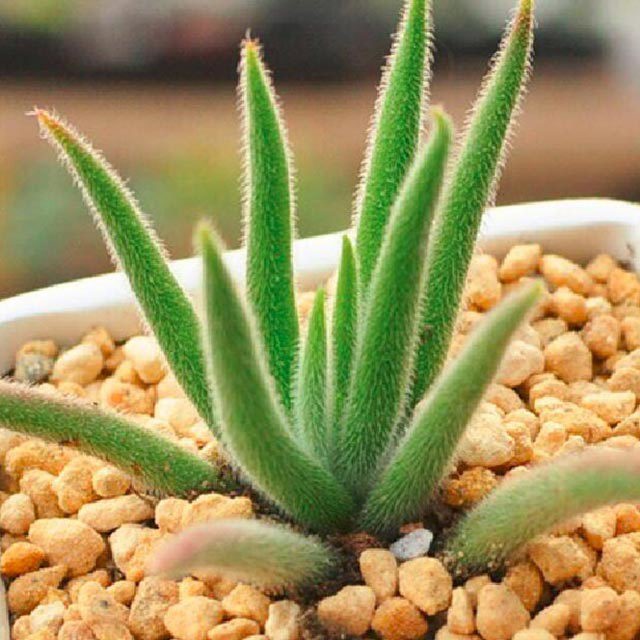
Crassula mesembryanthoides ssp. hispida Drooping Leaves
eco Drooping Leaves

Crassula mesembryanthoides ssp. hispida – Drooping Leaves

Why does your Crassula mesembryanthoides ssp. hispida have drooping leaves? Diagnose the cause and fix it with our step-by-step guide.

search Possible Causes

error

Overwatering and Root Rot

As a succulent, this species is highly susceptible to fungal pathogens like Phytophthora when soil remains saturated. Excessive moisture causes the root system to decay, rendering it unable to support leaf turgor pressure.

Very Common
lightbulb
How to confirm: Gently pull on a stem to see if it detaches easily and check if the roots are black or slimy instead of firm.
build How to fix it
shopping_cart Recommended Products
1 Immediately remove the plant from its current container and trim away any mushy, blackened, or foul-smelling roots using sterilized tools.
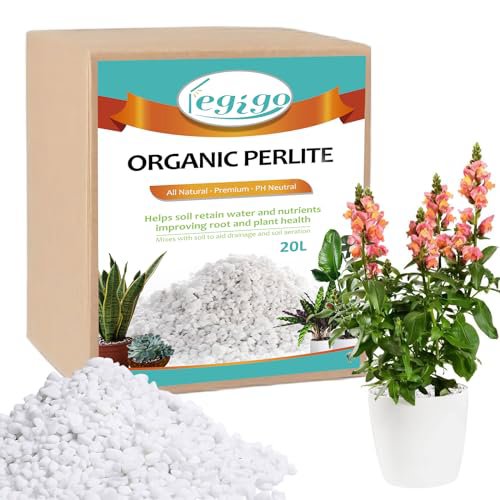
2 Repot the plant in a well-draining, gritty substrate specifically designed for succulents, such as a mix containing perlite or pumice to prevent future saturation.
3 Use a moisture meter to monitor the soil, ensuring you only water when the medium is completely dry to the touch to avoid repeating the overwatering cycle.
error

Dehydration (Underwatering)

While drought-tolerant, extreme lack of moisture causes the specialized water-storing cells in the leaves to shrink. This leads to a loss of structural integrity and visible wilting or drooping.

Very Common
lightbulb
How to confirm: Check if the soil is bone-dry deep into the pot and feel if the leaves appear wrinkled or shriveled.
build How to fix it
shopping_cart Recommended Products
1 Check the soil moisture level immediately using a moisture meter to confirm the depth of dehydration.
2 Thoroughly soak the soil with water until it drains from the bottom of the pot, ensuring the water-storing cells can rehydrate.
3 Ensure the plant is in a well-draining container with a drainage tray to prevent water from pooling and causing rot after rehydration.
warning

Temperature Stress (Heat Exhaustion)

Extreme heat beyond the species' tolerance can cause the plant to wilt as a mechanism to reduce transpiration surface area. This is common if the plant is placed in direct, unventilated sunlight during peak summer.

Common
lightbulb
How to confirm: Observe if the drooping recovers during the cooler evening hours or early morning.
build How to fix it
shopping_cart Recommended Products
1 Immediately move the plant to a cooler, shaded location with better airflow to reduce transpiration and allow the plant to recover from heat stress.
2 Check the soil moisture level to ensure the heat hasn't completely desiccated the root zone, but avoid overwatering while the plant is in a wilted state.
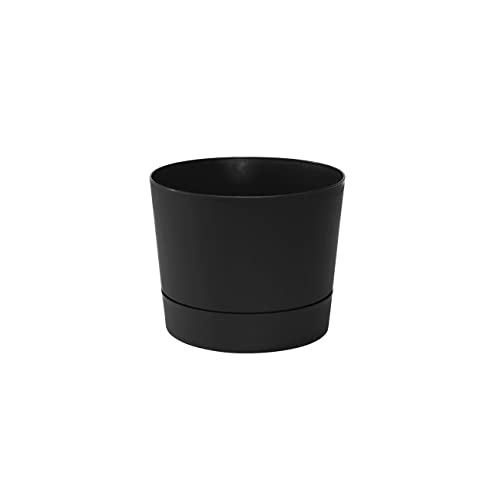
3 If the plant is in a container, ensure it is not sitting in a stagnant saucer of water; use a drainage tray like the Root & Vessel Matte Black Cylinder Pot to manage moisture without causing root rot.
warning

Nutrient Deficiency (Nitrogen)

A lack of essential macronutrients can weaken the cellular walls and reduce the plant's ability to maintain osmotic pressure. This often presents as drooping accompanied by a loss of the characteristic green color.

Common
lightbulb
How to confirm: Inspect the leaves for pale or yellowish discoloration alongside the drooping stems.
build How to fix it
shopping_cart Recommended Products
1 Apply a nitrogen-rich liquid fertilizer to boost vegetative growth and restore cellular strength.
2 Check the soil moisture levels with a meter to ensure the drooping isn't actually caused by underwatering or root rot.
3 Ensure the plant is receiving adequate sunlight, as insufficient light can also lead to weakened stems and drooping.

Other Crassula mesembryanthoides ssp. hispida problems

Your plant might also be experiencing one of these issues:

local_hospital All symptoms eco All plants with drooping leaves
favorite