Crassula mesembryanthoides ssp. hispida Sudden Leaf Drop
eco Sudden Leaf Drop

Crassula mesembryanthoides ssp. hispida – Sudden Leaf Drop

Why does your Crassula mesembryanthoides ssp. hispida have sudden leaf drop? Diagnose the cause and fix it with our step-by-step guide.

search Possible Causes

error

Overwatering and Root Rot

As a succulent, this species is highly susceptible to fungal pathogens like Phytophthora if the substrate remains saturated. Excessive moisture causes root tissue to decay, leading to a sudden inability to transport water, resulting in rapid leaf abscission.

Very Common
lightbulb
How to confirm: Gently lift the plant from its pot to check if the roots are dark, slimy, or have a foul odor.
build How to fix it
shopping_cart Recommended Products
1 Immediately remove the plant from its current container and inspect the roots; trim away any mushy, black, or foul-smelling decayed tissue using sterilized tools.
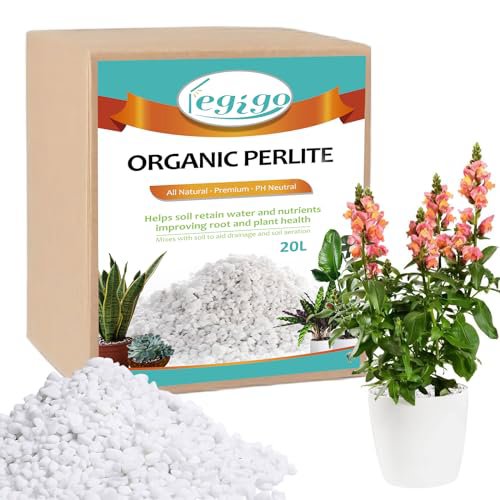
2 Repot the plant in a well-draining, gritty substrate specifically designed for succulents to prevent future water retention.
3 Use a moisture meter to monitor the soil, ensuring you only water when the substrate is completely dry to avoid repeating the overwatering cycle.
error

Temperature Shock (Cold Stress)

Crassula mesembryanthoides ssp. hispida is sensitive to frost and sudden drops in temperature. Rapid exposure to temperatures below 50°F (10°C) can cause cellular collapse in the fleshy leaves, triggering a stress response that sheds foliage.

Very Common
lightbulb
How to confirm: Check if there has been a recent cold snap or if the plant is near a drafty window or air conditioning vent.
build How to fix it
shopping_cart Recommended Products
1 Immediately move the plant to a warm, stable environment, ensuring temperatures remain consistently above 50°F (10°C) to prevent further cellular collapse.
2 Avoid any sudden temperature fluctuations or drafts by keeping the plant away from windows or air conditioning vents.
3 Monitor the soil moisture closely with a meter to ensure the plant is not overwatered while in a stressed, non-photosynthesizing state.
warning

Hydration Stress (Drought)

While drought-tolerant, extreme dehydration causes the plant to prioritize the survival of the main stem by shedding older, moisture-heavy leaves. This is a defense mechanism to reduce the total surface area for transpiration.

Common
lightbulb
How to confirm: Feel the weight of the pot; if it feels significantly lighter than usual and the soil is bone dry, the plant is likely dehydrated.
build How to fix it
shopping_cart Recommended Products
1 Check the soil moisture level immediately using a moisture meter to confirm the depth of dehydration.
2 Thoroughly soak the soil until water runs out of the drainage holes, ensuring the root ball is fully rehydrated.
3 Ensure the plant is in a well-draining container with a drainage tray to prevent water from pooling and causing rot after rehydration.
warning

Pest Infestation (Mealybugs or Scale)

Sap-sucking insects can rapidly deplete the water reserves within these small, succulent leaves. A heavy infestation weakens the leaf attachment points, leading to sudden dropping of affected foliage.

Common
lightbulb
How to confirm: Inspect the junctions between the leaves and the stem for tiny white cottony spots or hard brown bumps.
build How to fix it
shopping_cart Recommended Products
1 Inspect the crevices of the plant and leaf bases for white, cottony masses (mealybugs) or hard, brown bumps (scale).
2 Apply an organic insecticide spray to the entire plant, ensuring you coat the undersides of leaves and stem junctions to eliminate pests.
3 Isolate the plant from other greenery to prevent the infestation from spreading to your other succulents.

Other Crassula mesembryanthoides ssp. hispida problems

Your plant might also be experiencing one of these issues:

local_hospital All symptoms eco All plants with sudden leaf drop
favorite