Cucumis melo saccharinus White Powder
eco White Powder

Cucumis melo saccharinus – White Powder

Why does your Cucumis melo saccharinus have white powder? Diagnose the cause and fix it with our step-by-step guide.

pets Pet Friendly

search Possible Causes

error

Powdery Mildew

This is the most common cause for white, flour-like patches on honeydew leaves. It is a fungal disease (often Podosphaera tuberosi) that thrives in high humidity and moderate temperatures, eventually causing leaves to yellow and curl.

Very Common
lightbulb
How to confirm: Check if the white spots appear as circular patches that can be wiped off with your finger but eventually cover the entire leaf surface.
build How to fix it
shopping_cart Recommended Products
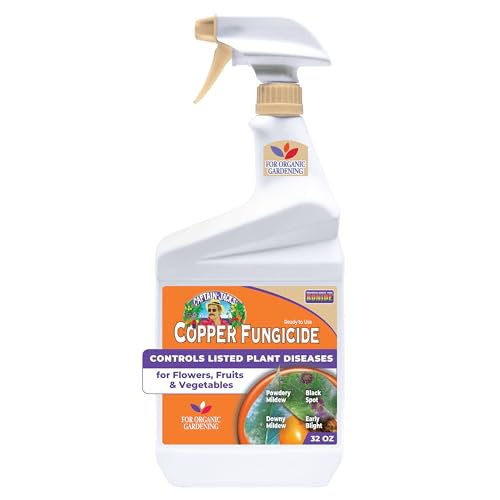
1 Apply an organic fungicide to the affected leaves to stop the spread of the fungal spores.
2 Prune and remove any heavily infected leaves to prevent the fungus from spreading to healthy parts of the melon plant.
3 Improve air circulation around the plant and avoid overhead watering to reduce the high humidity that fuels mildew growth.
warning

Mealybugs

These small, soft-bodied insects secrete a white, cottony wax to protect themselves. They congregate on stems and the undersides of leaves, sucking sap from the melon plant and potentially introducing viruses.

Common
lightbulb
How to confirm: Inspect the leaf axils and stem junctions for tiny, moving white insects embedded in waxy clusters.
build How to fix it
shopping_cart Recommended Products
1 Apply an organic insecticide spray to the plant to eliminate existing mealybug adults, larvae, and eggs.
2 Thoroughly wipe the white, cottony clusters off the stems and leaf undersides with a cotton swab dipped in isopropyl alcohol to kill visible insects.
3 Isolate the melon plant from other greenery to prevent the mealybugs from spreading to healthy plants.
warning

Whiteflies

Adult whiteflies are small winged insects that leave a fine white residue or 'dust' on the undersides of leaves. Their presence often leads to the production of honeydew, a sticky substance that can grow black sooty mold.

Common
lightbulb
How to confirm: Gently tap the underside of a leaf to see if a cloud of tiny white insects suddenly flies upward.
build How to fix it
shopping_cart Recommended Products
1 Apply an organic insecticide spray to the undersides of leaves to eliminate adult whiteflies and larvae.
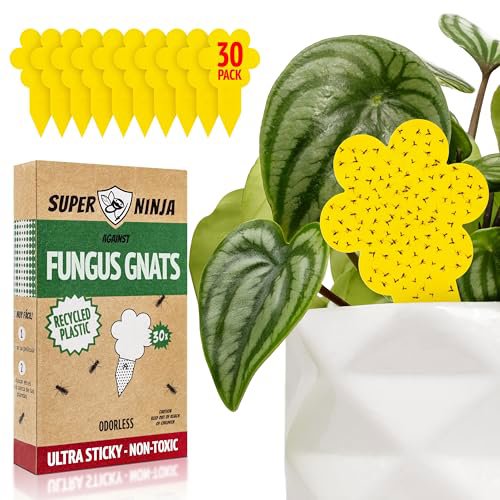
2 Deploy yellow sticky traps near the plant to capture flying adults and monitor the infestation level.
3 Clean the leaves with a gentle water spray to remove the white residue and prevent the growth of secondary sooty mold.
warning

Mineral Deposits (Salt Buildup)

If the white powder appears specifically on the leaf edges or surface in a crystalline pattern, it may be calcium or salt buildup from hard water irrigation. This is not a biological pathogen but an environmental physiological issue.

Common
lightbulb
How to confirm: Check if the white substance feels gritty or crystalline and if it correlates with recent heavy fertigation or hard water use.
build How to fix it
shopping_cart Recommended Products
1 Flush the soil thoroughly with distilled or rainwater to leach out accumulated mineral salts and prevent further buildup.
2 Monitor soil hydration levels using a moisture meter to ensure you are not overwatering, which can exacerbate mineral concentration.
3 Apply a liquid supplement to help balance the nutrient profile and strengthen cell walls against osmotic stress.

Other Cucumis melo saccharinus problems

Your plant might also be experiencing one of these issues:

local_hospital All symptoms eco All plants with white powder
favorite