Cucumis melo saccharinus Yellow Leaves
eco Yellow Leaves

Cucumis melo saccharinus – Yellow Leaves

Why does your Cucumis melo saccharinus have yellow leaves? Diagnose the cause and fix it with our step-by-step guide.

pets Pet Friendly

search Possible Causes

error

Nitrogen Deficiency

Nitrogen is a mobile nutrient; when lacking, the plant translocates it from older leaves to new growth, causing older foliage to turn pale yellow first. In Honeydew melons, this often manifests as uniform chlorosis across lower leaves.

Very Common
lightbulb
How to confirm: Check if the yellowing started on the oldest, bottom-most leaves while the new growth remains green.
build How to fix it
shopping_cart Recommended Products
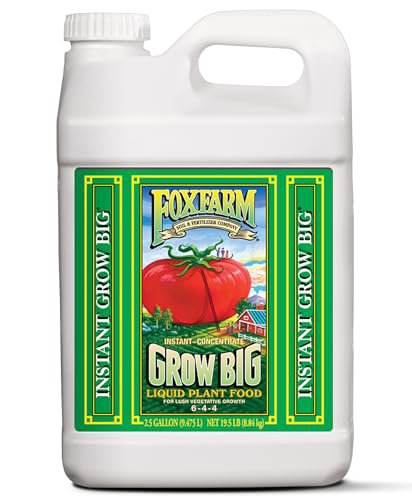
1 Apply a nitrogen-rich liquid fertilizer to provide immediate nutrient uptake for the melon plant.
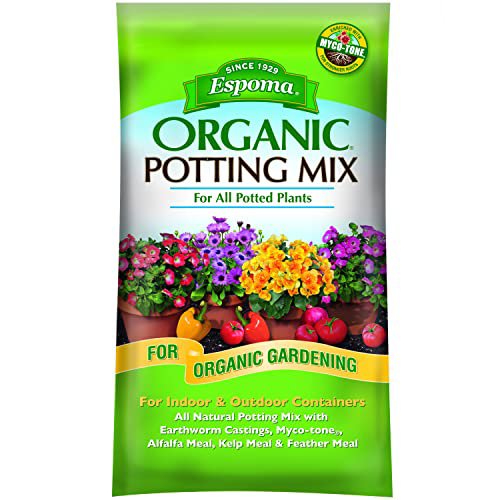
2 Supplement the soil with a balanced organic fertilizer to ensure long-term nitrogen availability.
3 Monitor soil moisture levels to ensure the nitrogen can be effectively transported to the roots.
error

Overwatering and Root Hypoxia

Excessive soil moisture displaces oxygen in the root zone, causing root suffocation. This prevents the melon plant from absorbing essential nutrients, leading to widespread yellowing of the leaves.

Very Common
lightbulb
How to confirm: Stick your finger deep into the soil; if it is muddy or waterlogged, reduce irrigation frequency.
build How to fix it
shopping_cart Recommended Products
1 Immediately reduce watering frequency and allow the top inch of soil to dry out completely before watering again to restore oxygen to the root zone.
2 Check the drainage of your container; if water is pooling, repot the melon in a well-draining medium amended with perlite to improve aeration.
3 Apply a liquid seaweed fertilizer to help the plant recover from the stress of root hypoxia and boost nutrient uptake.
warning

Downy Mildew (Pseudoperonospora cubensis)

This fungal pathogen thrives in humid conditions and causes angular, chlorotic (yellow) spots on the upper leaf surface. As the disease progresses, these yellow patches may develop a fuzzy, grayish mold on the underside.

Common
lightbulb
How to confirm: Inspect the undersides of the yellow leaves for dark, fuzzy fungal growth within the yellowed areas.
build How to fix it
shopping_cart Recommended Products
1 Apply an organic fungicide to control the spread of the pathogen and prevent further fungal growth on the leaves.
2 Improve air circulation around the melon plants and reduce humidity by avoiding overhead watering, which helps prevent the pathogen from thriving.
3 Prune and carefully dispose of the most heavily infected leaves to reduce the spore load in your garden environment.
warning

Magnesium Deficiency

Magnesium deficiency causes interveinal chlorosis, where the leaf tissue turns yellow but the veins remain distinctly green. This is common in melon crops grown in highly acidic soils.

Common
lightbulb
How to confirm: Look for a pattern of bright green veins against a yellowing background on mature leaves.
build How to fix it
shopping_cart Recommended Products
1 Apply a magnesium-rich supplement to the soil to quickly address the interveinal chlorosis.
2 Monitor soil pH levels to ensure they remain in a range that allows for magnesium uptake, ideally between 5.6 and 6.8.
3 Amend the soil with organic matter or compost to help buffer acidity and improve nutrient availability.

Other Cucumis melo saccharinus problems

Your plant might also be experiencing one of these issues:

local_hospital All symptoms eco All plants with yellow leaves
favorite