Cucumis sativus Tiny Black Flies
eco Tiny Black Flies

Cucumis sativus – Tiny Black Flies

Why does your Cucumis sativus have tiny black flies? Diagnose the cause and fix it with our step-by-step guide.

pets Pet Friendly

search Possible Causes

error

Fungus Gnats

The tiny black flies are likely fungus gnat adults, which thrive in the moist organic matter of cucumber soil. Their larvae feed on decaying roots and can cause root damage, indirectly weakening the plant.

Very Common
lightbulb
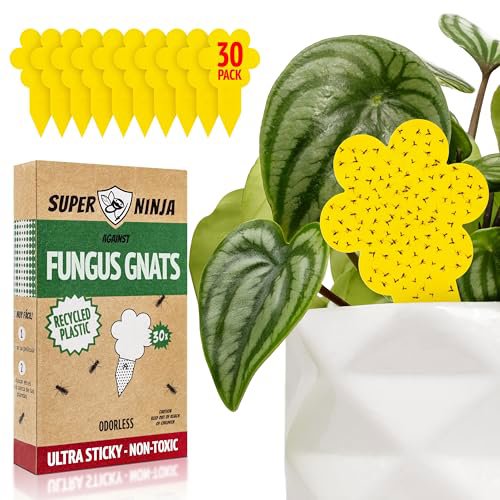
How to confirm: Place a yellow sticky trap near the base of the plant to see if small, dark-winged insects are captured.
build How to fix it
shopping_cart Recommended Products
1 Deploy yellow sticky traps to capture adult fungus gnats and prevent further breeding cycles.
2 Reduce watering frequency and allow the top inch of soil to dry out completely to disrupt the larvae's moist habitat.
3 Apply a microbial-based liquid drench to target larvae in the soil and promote a healthy root zone.
warning

Cucumber Beetle Infestation (Adults)

Certain species of small, dark beetles can be mistaken for flies when seen at a distance. These pests feed on cucumber leaves and flowers, creating characteristic 'shothole' patterns in the foliage.

Common
lightbulb
How to confirm: Closely inspect the leaf surfaces for small, irregular holes or yellowing patches.
build How to fix it
shopping_cart Recommended Products
1 Apply an organic insecticide to eliminate adult beetles and prevent further feeding on leaves and flowers.
2 Inspect the undersides of leaves for any remaining pests and remove any heavily damaged foliage to prevent the spread of infestation.
3 Use yellow sticky traps to capture any remaining flying adults and monitor for new arrivals.
warning

Sciarid Flies

Similar to fungus gnats, sciarid flies are attracted to overly damp cucumber substrate. They can cause minor damage, but their presence is primarily an indicator of poor drainage or overwatering.

Common
lightbulb
How to confirm: Check the soil moisture levels; if the top layer stays wet for several days, you have a high-moisture environment favoring these flies.
build How to fix it
shopping_cart Recommended Products
1 Reduce watering frequency and allow the top inch of soil to dry out completely to eliminate the damp environment these flies thrive in.
2 Deploy yellow sticky traps to capture the adult flies and prevent further reproduction cycles.
3 Improve soil aeration and drainage by mixing in horticultural perlite to prevent the substrate from remaining waterlogged.

Other Cucumis sativus problems

Your plant might also be experiencing one of these issues:

local_hospital All symptoms eco All plants with tiny black flies
favorite