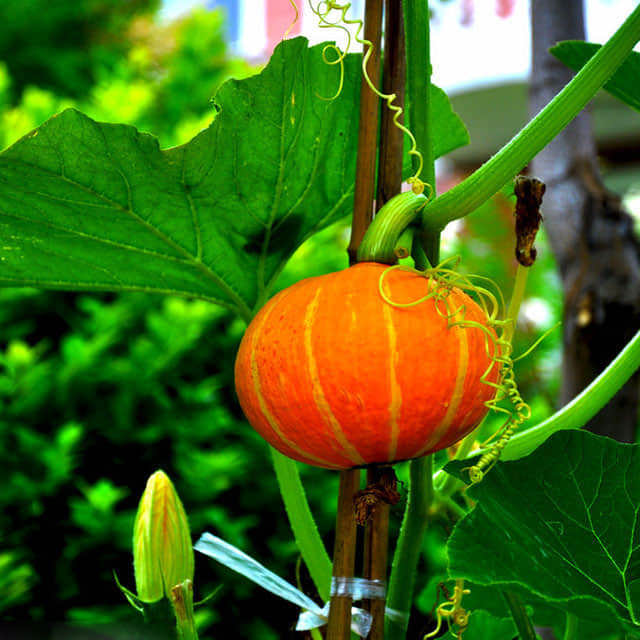
Cucurbita moschata Drooping Leaves
eco Drooping Leaves

Cucurbita moschata – Drooping Leaves

Why does your Cucurbita moschata have drooping leaves? Diagnose the cause and fix it with our step-by-step guide.

pets Pet Friendly

search Possible Causes

error

Water Stress (Underwatering or Overwatering)

Butternut squash has large leaf surface areas that lose moisture quickly via transpiration. If the soil is too dry, turgor pressure drops causing wilting; conversely, waterlogged soil causes root hypoxia, preventing the plant from absorbing water.

Very Common
lightbulb
How to confirm: Insert your finger 2 inches into the soil to check if it is bone dry or saturated and muddy.
build How to fix it
shopping_cart Recommended Products
1 Check the soil moisture level at the root zone using a moisture meter to determine if the plant is suffering from dehydration or root rot.
2 If the soil is bone dry, water the plant thoroughly until water drains from the bottom; if the soil is waterlogged, allow it to dry out completely before next watering.
3 Ensure the plant is in a well-draining container or garden bed to prevent waterlogging and root hypoxia.
error

Fusarium Wilt (Fusarium oxysporum f. sp. cucurbitae)

This soil-borne fungus invades the vascular system of the squash, physically blocking water transport to the leaves. It typically causes progressive wilting, often starting on one side of the plant or specific leaves.

Very Common
lightbulb
How to confirm: Cut a small section of the main stem near the soil line to check for internal brown discoloration.
build How to fix it
shopping_cart Recommended Products
1 Immediately remove and destroy the infected plant and any surrounding debris to prevent the soil-borne fungus from spreading to healthy squash plants.
2 Sterilize all gardening tools, such as your pruning shears, with alcohol or a bleach solution to avoid further transmission of the pathogen.
3 Avoid planting squash or other cucurbits in this soil for at least 2-3 years, and consider amending the area with organic matter like worm castings to improve soil health.
warning

Cucumber Beetle Infestation

Species like the Striped Cucumber Beetle feed on squash foliage and can introduce bacterial wilt. The physical consumption of leaf tissue reduces the plant's ability to maintain structural rigidity.

Common
lightbulb
How to confirm: Inspect the undersides of leaves and the stems for small yellowing spots (feeding scars) or crawling beetles.
build How to fix it
shopping_cart Recommended Products
1 Apply an organic insecticide to eliminate the beetle population and prevent further foliage consumption.
2 Inspect the plant for signs of bacterial wilt and remove any heavily damaged or diseased leaves to slow the spread.
3 Monitor soil moisture levels to ensure the plant is not also suffering from drought stress, which can exacerbate drooping.
warning

Pythium Root Rot

High soil moisture levels promote Pythium, which attacks the young root systems of Cucurbita species. This destruction of fine roots makes it impossible for the plant to support its heavy foliage during the day.

Common
lightbulb
How to confirm: Examine the roots of a symptomatic plant; they should be white and firm, not brown, slimy, or smelling of decay.
build How to fix it
shopping_cart Recommended Products
1 Immediately reduce watering frequency and ensure the soil is not waterlogged to stop the spread of Pythium.
2 Improve soil aeration by mixing in horticultural perlite to enhance drainage and prevent future root rot.
3 If the plant is in a container, repot into a fresh, well-draining medium like Espoma Organic Potting Soil Mix to remove infected organic matter.

Other Cucurbita moschata problems

Your plant might also be experiencing one of these issues:

local_hospital All symptoms eco All plants with drooping leaves
favorite