Cucurbita moschata Yellow Leaves
eco Yellow Leaves

Cucurbita moschata – Yellow Leaves

Why does your Cucurbita moschata have yellow leaves? Diagnose the cause and fix it with our step-by-step guide.

pets Pet Friendly

search Possible Causes

error

Nitrogen Deficiency

Nitrogen is a mobile nutrient; when deficient, the plant moves it from older leaves to new growth, causing older leaves to turn uniformly yellow. This often manifests as chlorosis starting at the leaf margins in mature squash plants.

Very Common
lightbulb
How to confirm: Observe if the yellowing started on the oldest, bottom-most leaves while the new growth remains dark green.
build How to fix it
shopping_cart Recommended Products
1 Apply a nitrogen-rich organic fertilizer to replenish the soil nutrients and stop the yellowing of older leaves.
2 Incorporate a balanced organic soil amendment like worm castings into the base of the plant to provide long-term nutrient release.
3 Monitor soil moisture levels using a moisture meter to ensure the nitrogen is being effectively transported to the roots.
error

Squash Leafhopper Damage

Feeding by leafhoppers removes chlorophyll from the plant cells, causing stippling and eventual yellowing of the foliage. This can lead to rapid decline in a butternut squash patch during hot summer months.

Very Common
lightbulb
How to confirm: Tap a leaf over a white piece of paper to see if tiny, fast-moving insects jump off.
build How to fix it
shopping_cart Recommended Products
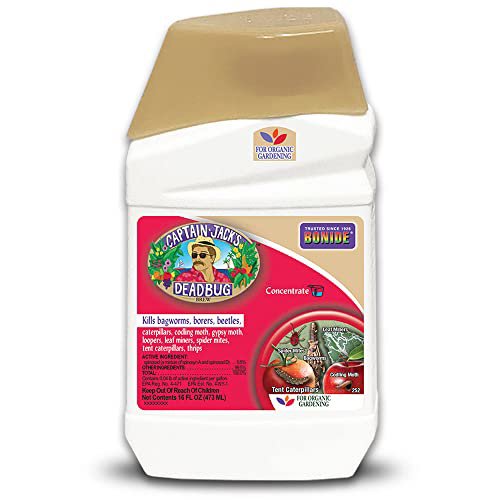
1 Apply an organic insecticide to eliminate existing leafhopper adults, larvae, and eggs on the foliage.
2 Monitor the plant's hydration levels using a moisture meter to ensure the plant isn't suffering from secondary drought stress.
3 Provide a nutrient boost with a balanced liquid fertilizer to help the plant recover chlorophyll production and rebuild foliage.
error

Overwatering and Root Hypoxia

Excessive soil moisture prevents oxygen from reaching the roots of the squash plant, leading to yellowing foliage and wilting. Butternut squash requires well-draining soil; waterlogged conditions promote root rot.

Very Common
lightbulb
How to confirm: Insert your finger 2 inches into the soil to check if it feels saturated or muddy consistently.
build How to fix it
shopping_cart Recommended Products
1 Immediately reduce watering frequency and allow the top inch of soil to dry out completely before watering again to restore oxygen to the root zone.
2 Repot the squash plant into a well-draining medium enriched with perlite to improve aeration and prevent future waterlogging.
3 Ensure the plant is in a container with adequate drainage holes and use a saucer to catch excess water, emptying it promptly to prevent the plant from sitting in stagnant water.
warning

Squash Vine Borer Infestation

Larvae tunneling into the base of the stem disrupt the vascular system, preventing water and nutrient transport to the leaves. This often presents as sudden yellowing and wilting of specific vine sections.

Common
lightbulb
How to confirm: Check the base of the main stem for small holes or dark-colored 'frass' (sawdust-like excrement).
build How to fix it
shopping_cart Recommended Products
1 Inspect the base of the stems for small holes or sawdust-like frass, and carefully excavate the area to locate and remove any larvae manually.
2 Apply an organic insecticide to the affected area to help control any remaining larvae or pests in the vicinity.
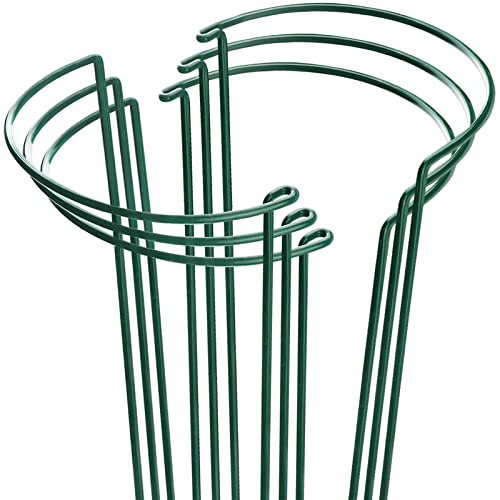
3 Support the remaining healthy vines with stakes to prevent further stem breakage and ensure they can continue to access nutrients.
warning

Powdery Mildew (Advanced Stage)

While usually identified by white spots, advanced fungal infections can cause the entire leaf to chlorose and eventually turn yellow before dying. This fungus thrives in high humidity with moderate temperatures.

Common
lightbulb
How to confirm: Inspect the upper surface of leaves for a white, flour-like fungal coating.
build How to fix it
shopping_cart Recommended Products
1 Apply an organic fungicide to the affected leaves to halt the spread of the fungal infection and protect healthy tissue.
2 Prune and remove all heavily yellowed or infected leaves to reduce the fungal load and improve airflow around the plant.
3 Improve air circulation and reduce humidity around the plant by spacing out squash plants and avoiding overhead watering.

Other Cucurbita moschata problems

Your plant might also be experiencing one of these issues:

local_hospital All symptoms eco All plants with yellow leaves
favorite