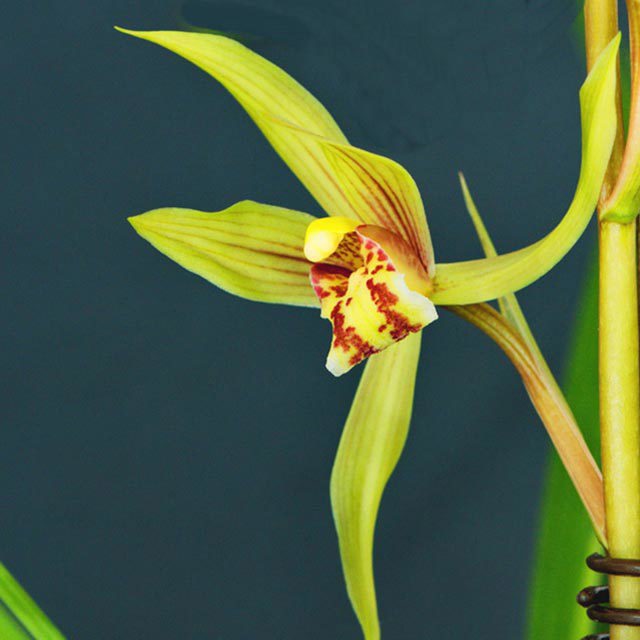
Cymbidium cyperifolium Tiny Black Flies
eco Tiny Black Flies

Cymbidium cyperifolium – Tiny Black Flies

Why does your Cymbidium cyperifolium have tiny black flies? Diagnose the cause and fix it with our step-by-step guide.

search Possible Causes

error

Fungus Gnats (Sciarid Flies)

The larvae of fungus gnats live in the upper layers of the substrate and feed on organic matter and fungal mycelium. In Cymbidium species, high moisture levels in the medium provide the perfect breeding ground for these flies.

Very Common
lightbulb
How to confirm: Place a yellow sticky trap near the orchid pot to see if small flying insects are captured.
build How to fix it
shopping_cart Recommended Products
1 Deploy yellow sticky traps to capture the adult flying gnats and break the breeding cycle.
2 Reduce watering frequency and allow the top layer of the substrate to dry out to eliminate the moist environment larvae need to survive.
3 Top-dress the orchid with a layer of inorganic material like perlite or LECA to create a dry barrier that prevents adults from laying eggs in the organic medium.
warning

Sapromyiid Flies (Carrion/Decay Flies)

These flies are attracted to decomposing organic matter. If the Cymbidium substrate has developed anaerobic pockets or rotting pseudobulbs, these flies will lay eggs in the decaying tissue.

Common
lightbulb
How to confirm: Gently lift the medium to check for any mushy, black, or foul-smelling decomposing rhizomes.
build How to fix it
shopping_cart Recommended Products
1 Inspect the orchid substrate and pseudobulbs for any signs of rot, mushy tissue, or anaerobic pockets, and carefully prune away any decaying organic matter.
2 Repot the plant in fresh, well-draining orchid substrate to eliminate the breeding ground for the flies.
3 Apply a biological control method to target any remaining larvae or flies in the environment.
warning

Drain Fly Larvae infestation

While less common on orchids, if the pot is kept in a very humid environment or sits in a saucer with stagnant water, drain flies can emerge. They thrive in the biofilm created by organic buildup in orchid drainage trays.

Common
lightbulb
How to confirm: Inspect the drainage saucer for any standing water or slimy film buildup.
build How to fix it
shopping_cart Recommended Products
1 Clean the drainage area and remove any stagnant water from the plant saucer to disrupt the fly's breeding environment.
2 Apply an organic insecticide spray to the soil surface and surrounding area to target any remaining larvae or adult flies.
3 Ensure the orchid substrate is well-draining and avoid overwatering to prevent the organic biofilm buildup that attracts drain flies.

Other Cymbidium cyperifolium problems

Your plant might also be experiencing one of these issues:

local_hospital All symptoms eco All plants with tiny black flies
favorite