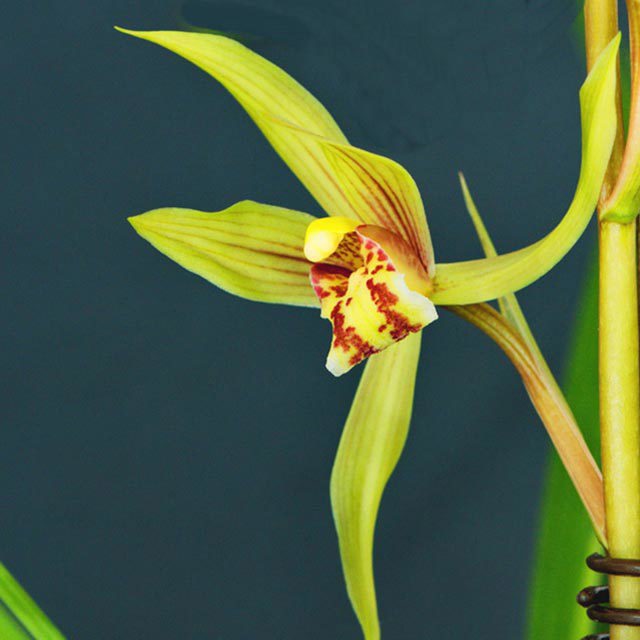
Cymbidium cyperifolium White Powder
eco White Powder

Cymbidium cyperifolium – White Powder

Why does your Cymbidium cyperifolium have white powder? Diagnose the cause and fix it with our step-by-step guide.

search Possible Causes

error

Powdery Mildew

This fungal disease often appears as white, flour-like patches on the leaves of Cymbidium cyperifolium, especially in high humidity and stagnant air. It can inhibit photosynthesis and lead to leaf necrosis if left unchecked.

Very Common
lightbulb
How to confirm: Check if the white spots can be easily wiped off with your finger or if they appear as a fuzzy coating on the leaf surface.
build How to fix it
shopping_cart Recommended Products
1 Apply an organic fungicide to eliminate the existing fungal patches and prevent further spread across the foliage.
2 Improve air circulation around the plant and reduce humidity levels to create an environment less hospitable to fungal growth.
3 Prune and dispose of any heavily infected leaves to prevent the spores from contaminating healthy parts of the plant.
error

Mealybug Infestation

Mealybugs are small, white, waxy insects that cling to the nodes and base of leaves in Cymbidium cyperifolium. Their presence often looks like patches of white powder or cottony fluff.

Very Common
lightbulb
How to confirm: Use a magnifying glass to look for tiny, moving insects at the junctions where the leaves meet the stem.
build How to fix it
shopping_cart Recommended Products
1 Isolate the plant immediately to prevent the mealybugs from spreading to your other houseplants.
2 Treat the infestation by spraying the plant with an organic insecticide to eliminate the white, waxy insects.
3 Use a cotton swab dipped in isopropyl alcohol to manually remove any visible white cottony patches from the leaf nodes and base.
warning

Mineral Deposits (Hard Water)

Calcium or magnesium carbonates from tap water can leave behind white, crusty residue on the leaf surfaces of this orchid. This is not biological but appears as a dry, white film.

Common
lightbulb
How to confirm: Inspect if the white substance is only located on the edges of leaves or in areas where water tends to pool and evaporate.
build How to fix it
shopping_cart Recommended Products
1 Gently wipe the leaves with a soft, damp cloth using distilled or rainwater to remove the mineral crust without damaging the orchid's delicate foliage.
2 Switch to using rainwater, distilled water, or demineralized water for future watering to prevent new calcium and magnesium carbonate buildup.
3 If the plant shows signs of nutrient stress from hard water, supplement with a liquid calcium and magnesium boost to maintain cell wall strength.
warning

Scale Insects

Certain types of scale can produce a white, powdery wax coating as a protective layer over their bodies. This often causes the leaves of the Cymbidium to become sticky due to honeydew excretion.

Common
lightbulb
How to confirm: Check for a sticky residue (honeydew) on the leaves beneath the white patches.
build How to fix it
shopping_cart Recommended Products
1 Apply an organic insecticide spray to the plant to eliminate the scale insects and their protective wax coating.
2 Wipe the leaves with a soft cloth soaked in alcohol or insecticidal soap to physically remove the white residue and honeydew.
3 Monitor the plant's environment for any remaining pests and ensure good airflow to prevent further infestations.

Other Cymbidium cyperifolium problems

Your plant might also be experiencing one of these issues:

local_hospital All symptoms eco All plants with white powder
favorite