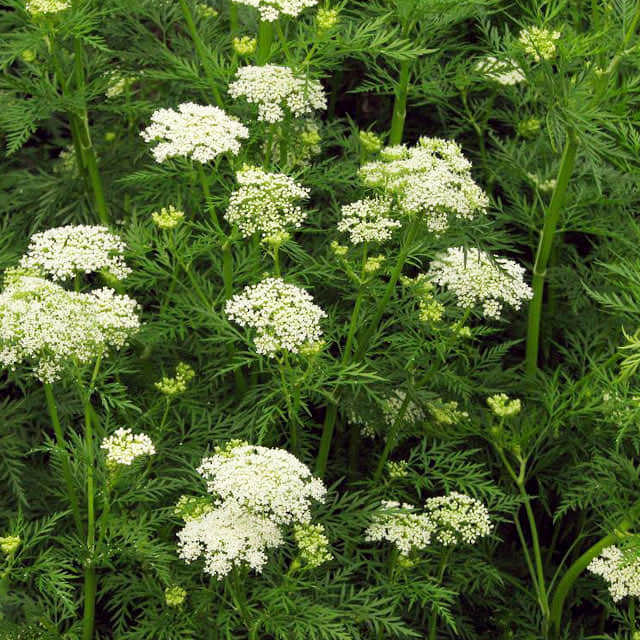
Daucus carota Drooping Leaves
eco Drooping Leaves

Daucus carota – Drooping Leaves

Why does your Daucus carota have drooping leaves? Diagnose the cause and fix it with our step-by-step guide.

pets Pet Friendly

search Possible Causes

error

Water Stress (Drought or Overwatering)

Carrots have a high water content and sensitive taproots; insufficient soil moisture causes immediate loss of turgor pressure, while waterlogged soil leads to root hypoxia and wilting. Both extremes prevent the plant from maintaining leaf uprightness.

Very Common
lightbulb
How to confirm: Stick your finger two inches into the soil to check if it is bone dry or excessively muddy.
build How to fix it
shopping_cart Recommended Products
1 Check the soil moisture level at the root zone using a moisture meter to determine if the drooping is caused by drought or waterlogging.
2 If the soil is bone dry, water the plant thoroughly until moisture reaches the taproot; if the soil is saturated, allow it to dry out and ensure the pot has proper drainage.
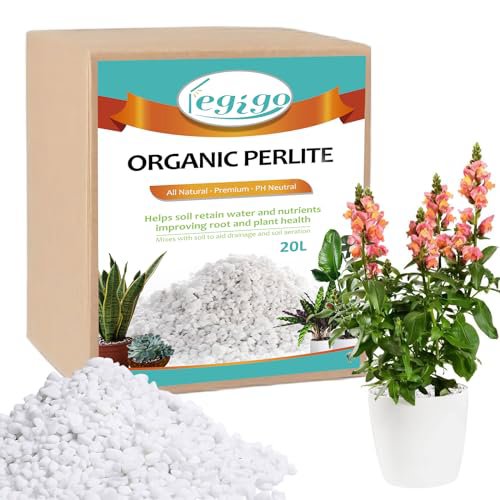
3 For long-term moisture stability, consider adding perlite to your soil mix to improve aeration and drainage, preventing future waterlogging.
warning

Bacterial Wilt (Erwinia carotovora)

This pathogen attacks the vascular system of the carrot, physically blocking water transport from the roots to the foliage. This results in rapid wilting even when soil moisture appears adequate.

Common
lightbulb
How to confirm: Check if the base of the stem or the taproot feels soft, slimy, or emits a foul odor when cut.
build How to fix it
shopping_cart Recommended Products
1 Immediately remove and destroy all infected plant material and debris to prevent the bacteria from spreading to healthy carrots via soil or water.
2 Sterilize all gardening tools, such as your trowel or pruners, with a 10% bleach solution after every use to stop the transmission of Erwinia carotovora.
3 Improve soil drainage and aeration by incorporating organic amendments like perlite to prevent the waterlogged conditions that bacteria thrive in.
warning

Root-Knot Nematodes

Microscopic worms feed on the carrot roots, causing galls that disrupt the plant's ability to uptake water and nutrients. This physiological disruption manifests as stunted growth and drooping leaves during hot periods.

Common
lightbulb
How to confirm: Carefully pull up a plant and inspect the taproot for any visible bumps, knots, or swelling.
build How to fix it
shopping_cart Recommended Products
1 Inspect the root system for visible galls or swelling; if found, remove and destroy the infested plant immediately to prevent spreading to healthy crops.
2 Amend the soil with organic matter to improve structure and suppress nematode populations; adding worm castings can boost soil health and microbial competition.
3 Enhance soil drainage and aeration by incorporating horticultural perlite to prevent the moist, compacted conditions that nematodes thrive in.
warning

Heat Stress

High ambient temperatures increase the transpiration rate beyond the carrot's ability to pull water from the soil. The plant droops as a defense mechanism to reduce surface area exposed to the sun.

Common
lightbulb
How to confirm: Observe if the drooping recovers during the cooler evening or early morning hours.
build How to fix it
shopping_cart Recommended Products
1 Apply a layer of organic mulch around the base of the carrots to insulate the soil and reduce moisture evaporation caused by high heat.
2 Monitor soil moisture levels closely using a moisture meter to ensure the root zone remains hydrated despite increased transpiration rates.
3 Provide temporary shade during peak afternoon sun hours to lower the ambient temperature around the foliage.

Other Daucus carota problems

Your plant might also be experiencing one of these issues:

local_hospital All symptoms eco All plants with drooping leaves
favorite