Daucus carota Yellow Leaves
eco Yellow Leaves

Daucus carota – Yellow Leaves

Why does your Daucus carota have yellow leaves? Diagnose the cause and fix it with our step-by-step guide.

pets Pet Friendly

search Possible Causes

error

Nitrogen Deficiency

Nitrogen is highly mobile within the plant; when levels are low, the carrot will redistribute nitrogen from older leaves to new growth, causing widespread chlorosis. This often results in pale, yellowish foliage throughout the canopy.

Very Common
lightbulb
How to confirm: Check if the yellowing started on the oldest, bottom-most leaves first.
build How to fix it
shopping_cart Recommended Products
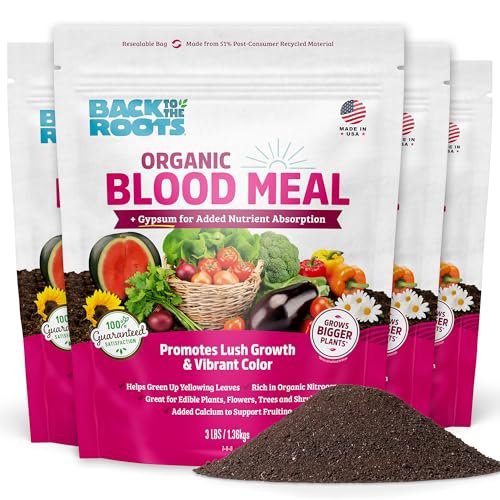
1 Apply a nitrogen-rich organic fertilizer to the soil to replenish depleted nitrogen levels and stop the redistribution from older leaves.
2 Incorporate organic matter like worm castings into the soil to provide a slow-release source of nitrogen for sustained growth.
3 Monitor soil moisture levels to ensure the nitrogen is being effectively dissolved and absorbed by the root system.
error

Overwatering and Soil Saturated Conditions

Excessive soil moisture displaces oxygen in the rhizosphere, causing root hypoxia. In carrots, this prevents nutrient uptake and leads to yellowing of the foliage as roots begin to decay.

Very Common
lightbulb
How to confirm: Insert your finger 2 inches into the soil to see if it remains muddy or soggy for extended periods.
build How to fix it
shopping_cart Recommended Products
1 Immediately stop watering and allow the soil to dry out significantly to restore oxygen levels to the root zone.
2 Check the drainage of your container; if the soil remains saturated, repot the carrot in a well-draining medium enriched with perlite to prevent future root hypoxia.
3 Ensure the pot is placed in a location with adequate airflow and sunlight to help evaporate excess moisture from the soil surface.
warning

Carrot Rust Fly (Psila rosae) Damage

Larvae of the carrot rust fly feed on the roots, damaging the plant's vascular system. This disruption prevents water and nutrients from reaching the leaves, manifesting as yellowing or wilting.

Common
lightbulb
How to confirm: Gently pull a plant to see if the root shows tunneling or irregular scarring.
build How to fix it
shopping_cart Recommended Products
1 Apply an organic insecticide to control the larvae and prevent further root damage from the carrot rust fly.
2 Check the soil moisture levels to ensure the plant is not suffering from secondary drought stress due to root damage.
3 Supplement the soil with organic nutrients to help the plant recover from the vascular disruption.
warning

Bacterial Leaf Spot (Pseudomonas spp.)

Bacterial infections can cause chlorotic patches that eventually turn necrotic. In carrots, this often presents as yellowing areas that may develop dark, water-soaked spots.

Common
lightbulb
How to confirm: Look for small, dark, water-soaked lesions appearing within the yellowed leaf areas.
build How to fix it
shopping_cart Recommended Products
1 Remove and destroy all infected leaves and plant debris immediately to prevent the bacteria from spreading to healthy tissue.
2 Apply an organic fungicide to protect remaining healthy foliage from further infection.
3 Ensure proper spacing between plants to improve airflow and reduce the humidity that favors bacterial growth.

Other Daucus carota problems

Your plant might also be experiencing one of these issues:

local_hospital All symptoms eco All plants with yellow leaves
favorite