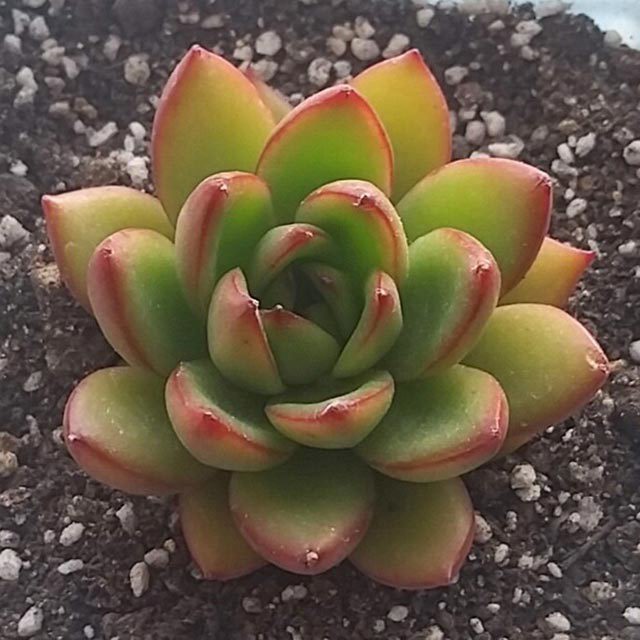
Echeveria agavoides Christmas Eve Drooping Leaves
eco Drooping Leaves

Echeveria agavoides Christmas Eve – Drooping Leaves

Why does your Echeveria agavoides Christmas Eve have drooping leaves? Diagnose the cause and fix it with our step-by-step guide.

pets Pet Friendly

search Possible Causes

error

Overwatering and Root Rot

Excessive moisture in the substrate causes roots to decay, preventing the plant from absorbing water. This leads to turgor loss in the leaves even if the soil is wet.

Very Common
lightbulb
How to confirm: Gently pull a leaf to see if it detaches easily with a mushy base, and check if the roots are black or slimy.
build How to fix it
shopping_cart Recommended Products
1 Immediately remove the plant from the pot and trim away any mushy, black, or foul-smelling decayed roots using sterilized tools.
2 Repot the Echeveria in a fresh, well-draining substrate specifically designed for succulents, such as a mix containing perlite or pumice to prevent future water retention.
3 Use a moisture meter to monitor the substrate, ensuring you only water when the soil is completely dry to avoid repeating the overwatering cycle.
error

Dehydration (Underwatering)

As a succulent, Echeveria agavoides stores water in its leaves; when soil remains dry for too long, the plant consumes its internal reserves, causing the leaves to lose structure and droop.

Very Common
lightbulb
How to confirm: Check if the soil is bone dry several inches deep and if the leaves feel thin or wrinkled.
build How to fix it
shopping_cart Recommended Products
1 Thoroughly soak the soil to allow the roots to rehydrate, ensuring water reaches the bottom of the pot.
2 Use a moisture meter to monitor the soil and prevent future underwatering by watering only when the substrate is completely dry.
3 Ensure the plant is in a container with excellent drainage to prevent water from pooling, which can lead to rot if the soil stays wet too long.
warning

Temperature Stress (Cold Shock)

Echeveria agavoides is sensitive to frost and sudden temperature drops. Cold temperatures can damage cell walls, leading to a limp, drooping appearance.

Common
lightbulb
How to confirm: Check if the plant has been exposed to temperatures below 50°F (10°C) recently.
build How to fix it
shopping_cart Recommended Products
1 Immediately move the plant to a warmer, stable environment away from cold drafts or windows to prevent further cell damage.
2 Monitor the soil moisture closely to ensure the plant is not also suffering from overwatering, as cold stress can slow evaporation.
3 Avoid fertilizing the plant until it shows signs of new, firm growth and has fully recovered from the temperature shock.
warning

Pest Infestation (Mealybugs)

Small, sap-sucking insects like mealybugs feed on the plant's juices, weakening the structure of the leaves and causing them to sag.

Common
lightbulb
How to confirm: Inspect the leaf axils and the base of the rosette for small white, cotton-like clusters.
build How to fix it
shopping_cart Recommended Products
1 Inspect the crevices of the leaves and the base of the plant for white, cottony clusters of mealybugs.
2 Apply an organic insecticide spray to eliminate existing pests and prevent further feeding on the plant's juices.
3 Isolate the Echeveria from other houseplants to prevent the infestation from spreading to healthy plants.

Other Echeveria agavoides Christmas Eve problems

Your plant might also be experiencing one of these issues:

local_hospital All symptoms eco All plants with drooping leaves
favorite