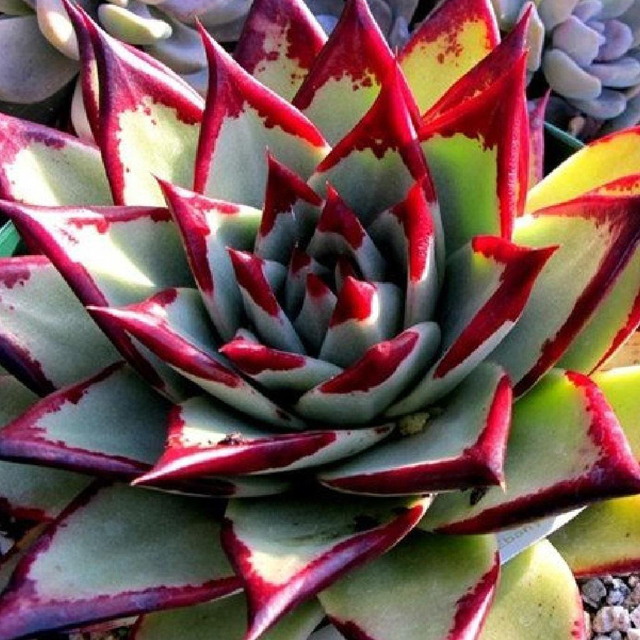
Echeveria agavoides Ebony Drooping Leaves
eco Drooping Leaves

Echeveria agavoides Ebony – Drooping Leaves

Why does your Echeveria agavoides Ebony have drooping leaves? Diagnose the cause and fix it with our step-by-step guide.

pets Pet Friendly

search Possible Causes

error

Overwatering and Root Rot

Excessive moisture in the substrate prevents oxygen from reaching the roots, leading to fungal decay. For Echeveria agavoides, this manifests as soft, translucent, or mushy leaves that lose their turgidity.

Very Common
lightbulb
How to confirm: Gently squeeze a leaf near the base; if it feels hollow or mushy, rot is likely present.
build How to fix it
shopping_cart Recommended Products
1 Immediately remove the plant from the pot and trim away any mushy, black, or decayed roots using sterilized tools.
2 Repot the Echeveria in a fresh, well-draining substrate enriched with perlite to ensure maximum aeration and prevent future rot.
3 Use a moisture meter to monitor the substrate, ensuring you only water when the soil is completely dry to the touch.
error

Dehydration (Underwatering)

While succulents are drought-tolerant, extreme lack of water causes the cells to lose turgor pressure. The 'Ebony' variety will show visible wrinkling and a limp structure as it exhausts its internal water reserves.

Very Common
lightbulb
How to confirm: Check the soil depth; if it is bone dry several inches down and leaves look wrinkled, the plant needs deep watering.
build How to fix it
shopping_cart Recommended Products
1 Thoroughly soak the soil by watering until water flows freely from the drainage holes to restore turgor pressure to the cells.
2 Use a moisture meter to monitor the soil and ensure you only water when the substrate is completely dry to prevent future dehydration or rot.
3 Ensure the plant is in a pot with excellent drainage, such as a Root & Vessel cylinder pot, to allow excess water to escape easily.
warning

Temperature Stress (Cold Shock)

Echeveria agavoides are sensitive to frost and sudden temperature drops. Cold temperatures can disrupt cellular function, causing the leaves to lose their rigid upright posture.

Common
lightbulb
How to confirm: Observe if the drooping coincided with a recent drop in nighttime temperatures or exposure to a drafty window.
build How to fix it
shopping_cart Recommended Products
1 Immediately move the plant to a warmer, stable environment and protect it from further drafts or sudden temperature fluctuations.
2 Monitor the soil moisture closely to ensure the plant is not overwatered while in a stressed state, as cold soil can lead to root rot.
3 If the plant shows signs of recovery, you can provide gentle warmth using a grow light to stabilize its metabolic processes.
warning

Nutrient Deficiency

A lack of essential minerals like magnesium or nitrogen can weaken the structural integrity of the leaf tissues. Over time, this prevents the plant from maintaining the characteristic tight rosette shape.

Common
lightbulb
How to confirm: Check if new growth is significantly smaller or paler than older leaves.
build How to fix it
shopping_cart Recommended Products
1 Apply a balanced liquid fertilizer to provide essential nitrogen and magnesium to restore leaf structural integrity.
2 Supplement the soil with a calcium and magnesium boost to strengthen cell walls and prevent further drooping.
3 Monitor the soil moisture levels using an analog meter to ensure the deficiency isn't being masked by overwatering.

Other Echeveria agavoides Ebony problems

Your plant might also be experiencing one of these issues:

local_hospital All symptoms eco All plants with drooping leaves
favorite