Echeveria agavoides Ebony Yellow Leaves
eco Yellow Leaves

Echeveria agavoides Ebony – Yellow Leaves

Why does your Echeveria agavoides Ebony have yellow leaves? Diagnose the cause and fix it with our step-by-step guide.

pets Pet Friendly

search Possible Causes

error

Overwatering and Root Rot

Excessive moisture in the substrate causes the roots of this succulent to suffocate and decay, leading to a breakdown in nutrient transport which manifests as yellowing leaves. As the roots rot, they can no longer support the plant's water needs despite the soil being wet.

Very Common
lightbulb
How to confirm: Gently lift the plant from its pot to check if the roots are dark, mushy, or have an unpleasant odor.
build How to fix it
shopping_cart Recommended Products
1 Immediately remove the plant from its current pot and trim away any mushy, black, or foul-smelling decayed roots using sterilized tools.
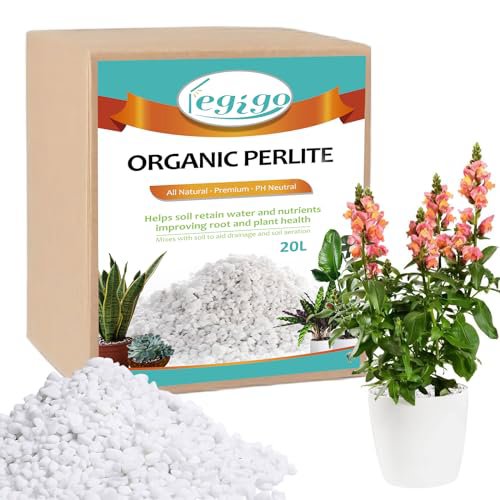
2 Repot the Echeveria in a fresh, well-draining succulent substrate and ensure the new container has excellent drainage to prevent future water pooling.
3 Use a moisture meter to monitor the substrate, ensuring you only water when the soil is completely dry to avoid repeating the overwatering cycle.
warning

Nutrient Deficiency (Nitrogen)

A lack of available nitrogen in the potting medium prevents the production of chlorophyll, causing older leaves to turn yellow and eventually drop. This is common if the plant has been in the same well-draining cactus soil for several years without fertilization.

Common
lightbulb
How to confirm: Observe if the yellowing starts on the oldest, bottom leaves first while the new growth remains dark ebony/green.
build How to fix it
shopping_cart Recommended Products
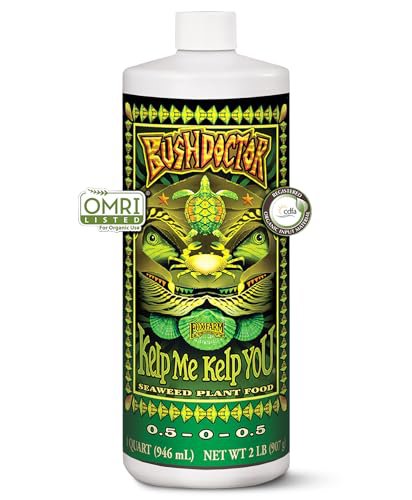
1 Apply a nitrogen-rich organic fertilizer to replenish the soil nutrients and restore chlorophyll production.
2 Check the soil moisture levels using a moisture meter to ensure the nitrogen deficiency isn't being masked by overwatering.
3 Repot the Echeveria in a fresh, well-draining cactus or succulent potting mix to provide a new reservoir of nutrients.
warning

Insufficient Light Exposure

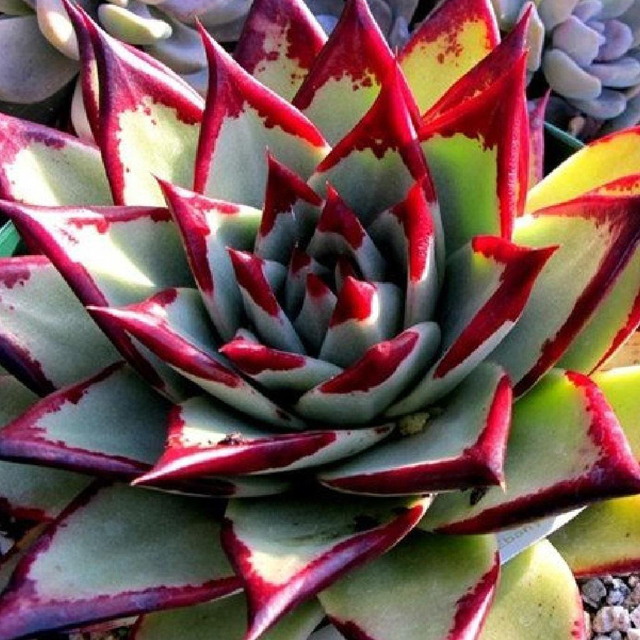
While Echeveria agavoides needs bright light, extreme low-light conditions can cause the plant to lose its pigment and turn a pale yellow or lime green. The plant may also become 'stretched' (etiolated) alongside the color change.

Common
lightbulb
How to confirm: Check if the stem is elongating significantly and if the leaves are losing their characteristic tight rosette shape.
build How to fix it
shopping_cart Recommended Products
1 Move your Echeveria to a location with much brighter, indirect sunlight or a south-facing window to restore its dark pigment.
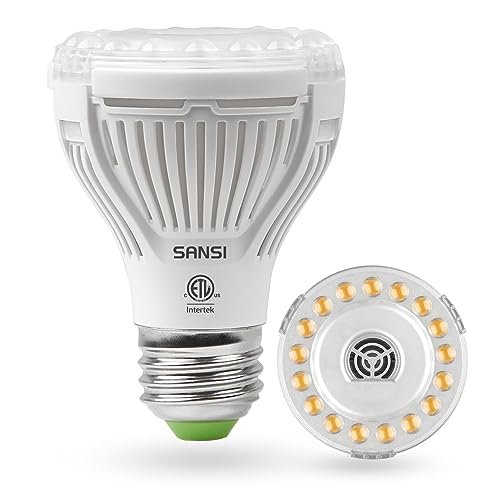
2 Supplement with a full-spectrum grow light to ensure consistent light intensity, especially during darker months.
3 Monitor the soil moisture closely, as insufficient light often leads to slower water evaporation and potential root rot.
warning

Temperature Stress (Cold Damage)

Exposure to temperatures below 40°F (4°C) can cause cellular damage in the leaves of this species, leading to yellowing or translucent patches. This physiological stress disrupts the plant's ability to maintain its dark pigmentation.

Common
lightbulb
How to confirm: Check if the yellowing occurred suddenly following a period of low nighttime temperatures.
build How to fix it
shopping_cart Recommended Products
1 Immediately move the plant to a warmer environment, ensuring temperatures remain consistently above 50°F to prevent further cellular damage.
2 Monitor soil moisture closely using a moisture meter, as cold-stressed plants often absorb water more slowly and are prone to root rot.
3 Avoid applying fertilizer until the plant shows signs of new, healthy growth and has recovered from the temperature shock.

Other Echeveria agavoides Ebony problems

Your plant might also be experiencing one of these issues:

local_hospital All symptoms eco All plants with yellow leaves
favorite