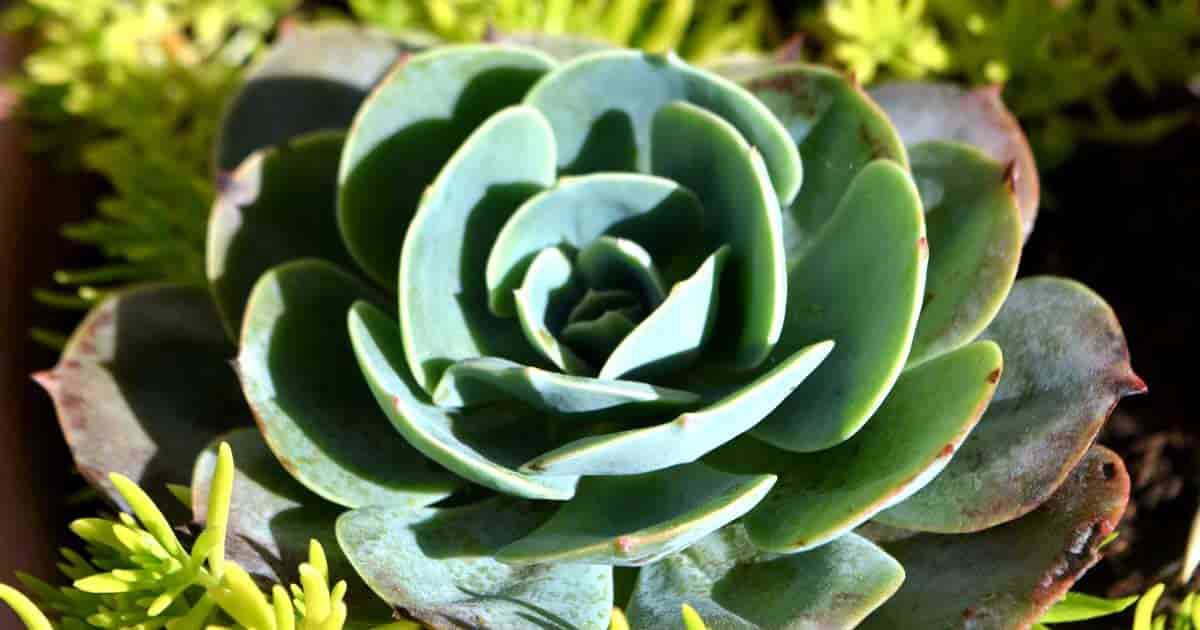
Echeveria agavoides Fine Webbing
eco Fine Webbing

Echeveria agavoides – Fine Webbing

Why does your Echeveria agavoides have fine webbing? Diagnose the cause and fix it with our step-by-step guide.

search Possible Causes

error

Two-Spotted Spider Mites (Tetranychidae)

The fine webbing is a classic sign of a spider mite infestation, where mites create silken webs to protect themselves and their eggs. On Echeveria agavoides, this often results in stippling or tiny pale dots on the fleshy leaves as they suck the chlorophyll.

Very Common
lightbulb
How to confirm: Gently tap a leaf over a white piece of paper to see if tiny moving specks fall out.
build How to fix it
shopping_cart Recommended Products
1 Isolate the plant immediately to prevent the mites from spreading to other houseplants.
2 Spray the plant thoroughly with an organic miticide or neem oil to kill the mites, eggs, and larvae.
3 Gently wipe the leaves with a damp cloth to physically remove the webbing and any remaining mites.
warning

Edema (Cellular Rupture)

While less common for 'webbing,' extreme fluctuations in humidity and watering can cause cells to swell and burst, sometimes leaving a fine, crusty residue or mineral buildup that looks like a web-like pattern on the leaf surface.

Common
lightbulb
How to confirm: Check if the affected areas are accompanied by small bumps or corky, brown scars on the leaf edges.
build How to fix it
shopping_cart Recommended Products
1 Inspect the plant closely for tiny moving organisms to rule out Spider Mites, which are the primary cause of true fine webbing; if pests are found, apply an organic insecticide spray.
2 Stabilize the watering routine by ensuring the soil dries out completely between waterings to prevent the cellular swelling and bursting characteristic of edema.
3 Ensure the plant is in a location with consistent humidity and adequate airflow to prevent moisture from trapped on the leaf surfaces.
warning

Dust and Mineral Accumulation

In dry environments, fine dust or dried calcium deposits from hard water can settle in the tight rosette of the Echeveria, creating a web-like appearance when caught in the light.

Common
lightbulb
How to confirm: Wipe a leaf with a damp cloth to see if the 'webbing' disappears instantly.
build How to fix it
shopping_cart Recommended Products
1 Gently clean the rosette using a soft, damp paintbrush or a cotton swab to remove dust and mineral deposits without damaging the leaves.
2 Switch to using distilled or rainwater for future watering to prevent new calcium and mineral buildup from hard water.
3 Monitor the plant's hydration levels using a moisture meter to ensure the soil remains dry between waterings, preventing any potential pest issues that mimic dust.

Other Echeveria agavoides problems

Your plant might also be experiencing one of these issues:

local_hospital All symptoms eco All plants with fine webbing
favorite

