Echeveria agavoides Leggy Stems
eco Leggy Stems

Echeveria agavoides – Leggy Stems

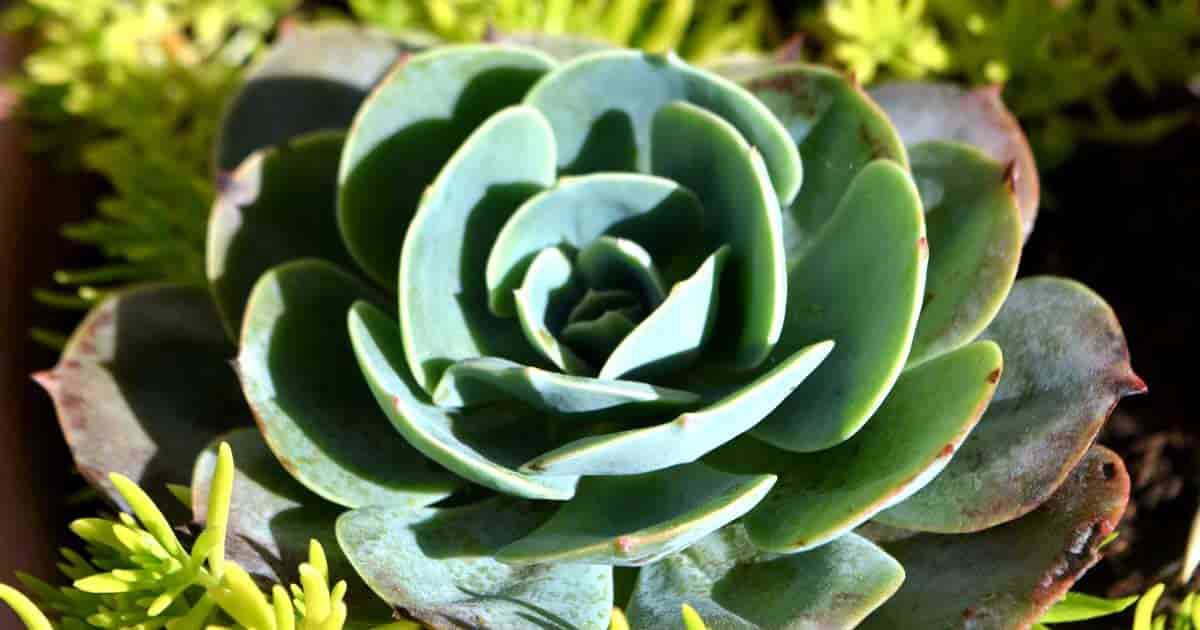
Why does your Echeveria agavoides have leggy stems? Diagnose the cause and fix it with our step-by-step guide.

search Possible Causes

error

Insufficient Light (Etiolation)

Echeveria agavoides requires intense, direct sunlight to maintain its compact rosette shape. When light is low, the plant stretches its stems toward the nearest light source to increase surface area for photosynthesis, resulting in elongated, weak internodes.

Very Common
lightbulb
How to confirm: Observe if the leaves are spaced far apart on a stretching stem and if the color has faded from vibrant green to a pale yellowish-green.
build How to fix it
shopping_cart Recommended Products
1 Move your Echeveria to a location that receives at least 6 hours of intense, direct sunlight daily to prevent further stretching.
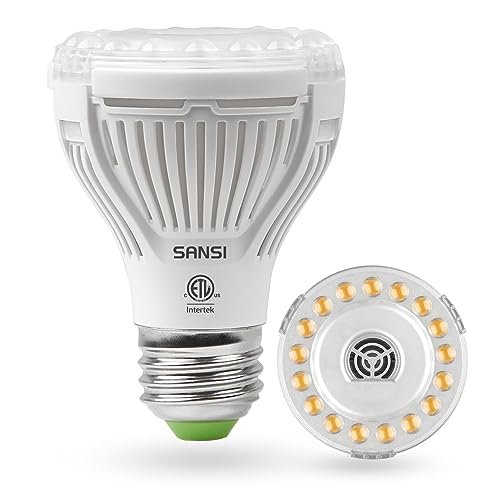
2 Supplement with a full-spectrum grow light if natural sunlight is insufficient, ensuring the light is positioned close to the plant to maintain a compact rosette.
3 Gently trim the elongated, weak stems and propagate the healthy top portions in fresh, well-draining substrate to restore a compact shape.
warning

Overwatering and Root Stress

Excessive moisture causes roots to decay, which prevents the plant from absorbing the nutrients needed for structural integrity. This can lead to a loss of turgor pressure in the stems, making them appear limp or stretched out.

Common
lightbulb
How to confirm: Check the base of the stems and the soil; if the soil is damp several days after watering or if the roots are black and slimy, rot is likely.
build How to fix it
shopping_cart Recommended Products
1 Allow the soil to dry out completely before the next watering to prevent further root decay.
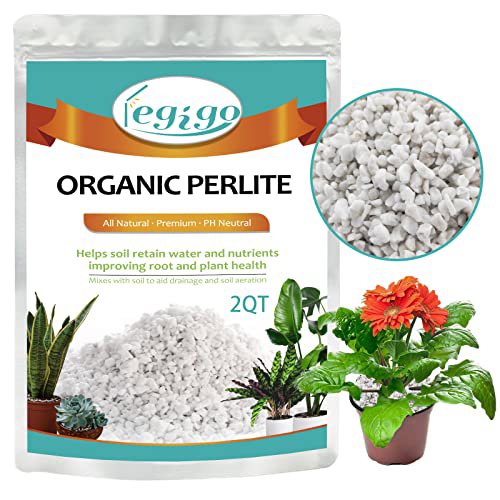
2 Repot the Echeveria in a well-draining succulent mix containing perlite to improve aeration and prevent waterlogging.
3 Apply a microbial-based fertilizer to help stimulate root zone recovery and strengthen the plant's structural integrity.
warning

Temperature Fluctuations

Extreme heat combined with high humidity can cause Echeveria to grow rapidly in an attempt to reach more stable environments. This rapid, forced growth often lacks the density of a slow-growing plant, leading to a leggy appearance.

Common
lightbulb
How to confirm: Monitor if the stretching coincided with a period of unexpectedly high temperatures or lack of airflow.
build How to fix it
shopping_cart Recommended Products
1 Move your Echeveria to a location with more consistent temperatures and avoid placing it near heat vents or drafty windows.
2 Increase light exposure using a full-spectrum grow light to encourage denser, more compact growth and prevent further stretching.
3 Prune the leggy stems to encourage new, compact growth from the base of the plant.

Other Echeveria agavoides problems

Your plant might also be experiencing one of these issues:

local_hospital All symptoms eco All plants with leggy stems
favorite