Echeveria albicans Drooping Leaves
eco Drooping Leaves

Echeveria albicans – Drooping Leaves

Why does your Echeveria albicans have drooping leaves? Diagnose the cause and fix it with our step-by-step guide.

pets Pet Friendly

search Possible Causes

error

Overwatering and Root Rot

Echeveria albicans is a succulent that requires well-draining soil; excessive moisture causes the roots to decay, making it impossible for the plant to transport water upward, resulting in limp, drooping leaves.

Very Common
lightbulb
How to confirm: Gently lift the plant from its pot to check if the roots are brown and slimy instead of firm and white.
build How to fix it
shopping_cart Recommended Products
1 Immediately remove the plant from its current pot and trim away any mushy, black, or foul-smelling decayed roots using sterilized tools.
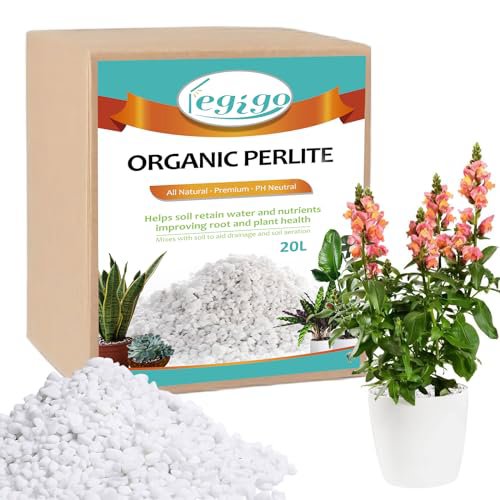
2 Repot the Echeveria in a fresh, highly porous substrate designed for succulents to ensure rapid drainage and prevent future rot.
3 Use a moisture meter to monitor the soil, ensuring you only water when the medium is completely dry to the touch.
error

Underwatering / Dehydration

When the cellular turgor pressure drops due to lack of moisture, the fleshy leaves lose their structure and begin to sag or wrinkle.

Very Common
lightbulb
How to confirm: Check the soil depth; if it is bone dry and the leaves feel thin or slightly shriveled, the plant needs a deep soak.
build How to fix it
shopping_cart Recommended Products
1 Check the soil moisture level immediately using a moisture meter to confirm the depth of dehydration.
2 Thoroughly soak the soil with water until it drains from the bottom of the pot to restore turgor pressure to the leaves.
3 Ensure the plant is in a well-draining container with a saucer to prevent water from pooling and causing rot.
warning

Temperature Stress (Extreme Cold)

As a succulent, Echeveria albicans is sensitive to frost; sudden drops in temperature can damage cell walls, causing the leaves to lose rigidity and droop.

Common
lightbulb
How to confirm: Check if the plant was recently exposed to temperatures below 50°F (10°C) or felt a cold draft.
build How to fix it
shopping_cart Recommended Products
1 Immediately move the plant to a warmer, frost-free environment to stabilize the temperature and prevent further cell damage.
2 Check the soil moisture with a meter to ensure the cold hasn't caused water to pool or the soil to remain overly saturated, which can lead to rot.
3 Apply a microbial-based fertilizer to help the plant recover from environmental stress and support root zone strength.
warning

Pest Infestation (Mealybugs)

Sap-sucking insects like mealybugs can drain the plant's internal fluids, weakening the leaf structure and causing them to wilt.

Common
lightbulb
How to confirm: Inspect the tight crevices between the leaves for small, white, cottony clusters.
build How to fix it
shopping_cart Recommended Products
1 Inspect the crevices of the leaves and the base of the plant for white, cottony clusters of mealybugs.
2 Treat the infestation by spraying the plant with an organic insecticide to eliminate adult insects and larvae.
3 Isolate the Echeveria from other houseplants to prevent the pests from spreading to healthy plants.

Other Echeveria albicans problems

Your plant might also be experiencing one of these issues:

local_hospital All symptoms eco All plants with drooping leaves
favorite