Echeveria albicans Leggy Stems
eco Leggy Stems

Echeveria albicans – Leggy Stems

Why does your Echeveria albicans have leggy stems? Diagnose the cause and fix it with our step-by-step guide.

pets Pet Friendly

search Possible Causes

error

Insufficient Light (Etiolation)

Echeveria albicans is a high-light succulent that requires intense brightness to maintain its compact rosette shape. When light levels are low, the plant stretches its internodes (the space between leaves) toward the nearest light source to increase surface area for photosynthesis.

Very Common
lightbulb
How to confirm: Observe if the leaves are spaced far apart on an elongated stem and if the color is fading from silvery-white to pale green.
build How to fix it
shopping_cart Recommended Products
1 Move your Echeveria to a location with much higher light intensity, such as a south-facing window, to stop the stretching process.
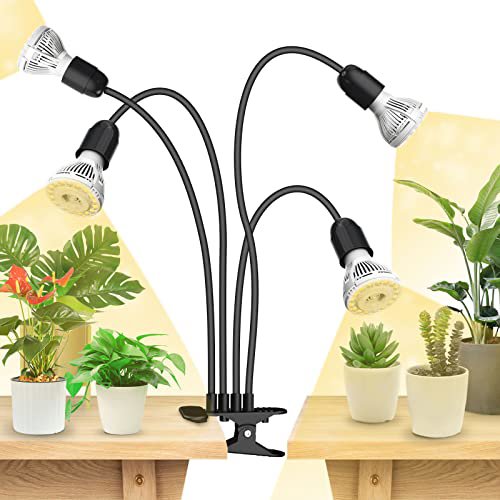
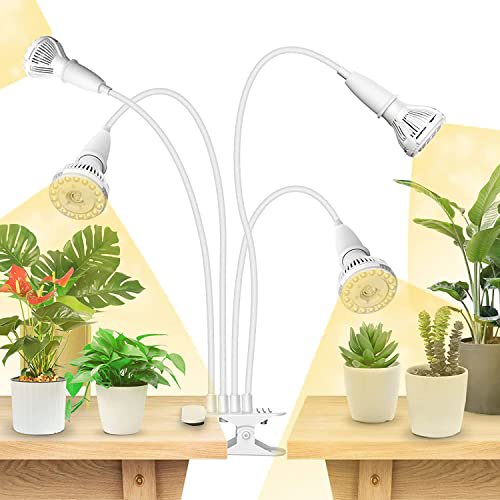
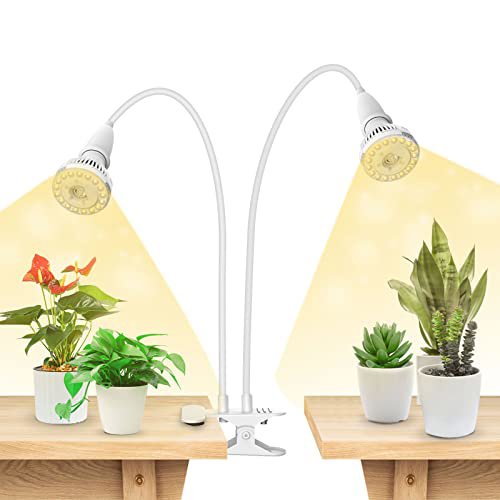
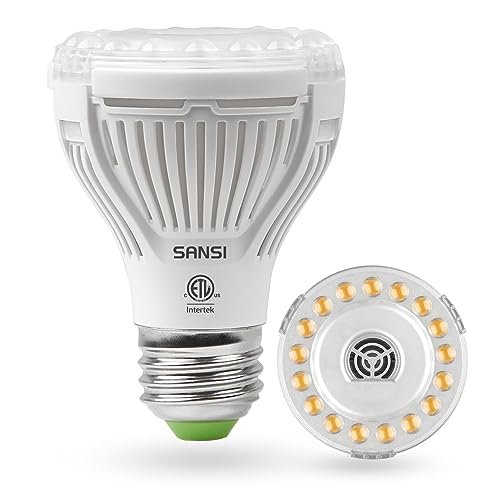
2 Supplement with a full-spectrum LED grow light if natural sunlight is insufficient to maintain a compact rosette shape.
3 Gently trim the elongated, leggy stems and propagate the healthy tops in fresh, well-draining succulent soil to restore a compact form.
warning

Excessive Nitrogen Fertilizer

Over-application of nitrogen-rich fertilizers can trigger rapid, succulent growth that lacks structural integrity. This results in weak, soft, and elongated stems that cannot support the weight of the heavy rosette.

Common
lightbulb
How to confirm: Check if you have recently used a fertilizer with a high first number (N) in the N-P-K ratio.
build How to fix it
shopping_cart Recommended Products
1 Flush the soil with plenty of fresh water to leach out excess nitrogen salts from the growing medium.
2 Repot the Echeveria in a well-draining, low-nitrogen substrate like a cactus or succulent mix to stabilize growth.
3 Increase light exposure using a full-spectrum grow light to encourage compact, sturdy rosette development.
warning

Inadequate Air Circulation

In humid or stagnant environments, the lack of airflow can cause the plant to lose its compact form as it seeks better gas exchange. This often accompanies low light conditions in indoor settings.

Common
lightbulb
How to confirm: Check if the plant is placed in a corner with no air movement or near other dense foliage.
build How to fix it
shopping_cart Recommended Products
1 Increase airflow around the plant by using a small fan or moving it to a more ventilated area to prevent stagnant air buildup.
2 Provide supplemental lighting to prevent the plant from stretching toward light sources, which often accompanies poor air circulation.
3 Prune away the excessively elongated, leggy stems to encourage a more compact, rosette growth habit.

Other Echeveria albicans problems

Your plant might also be experiencing one of these issues:

local_hospital All symptoms eco All plants with leggy stems
favorite