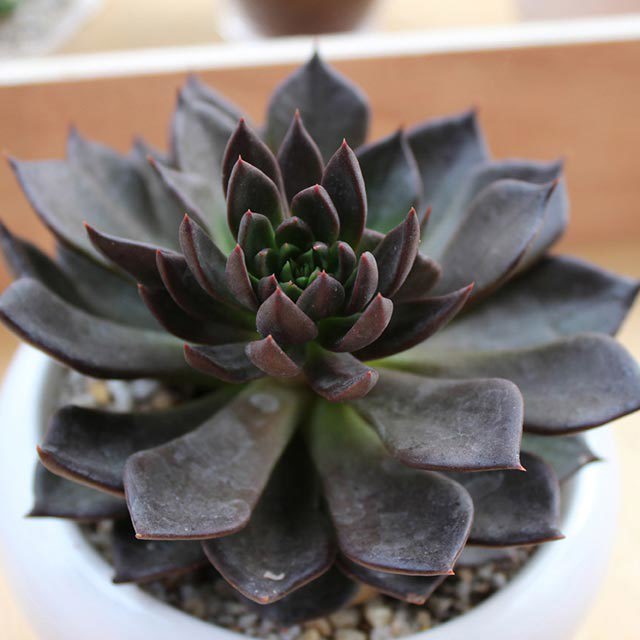
Echeveria Black Prince Fine Webbing
eco Fine Webbing

Echeveria Black Prince – Fine Webbing

Why does your Echeveria Black Prince have fine webbing? Diagnose the cause and fix it with our step-by-step guide.

pets Pet Friendly

search Possible Causes

error

Two-Spotted Spider Mite Infestation

These microscopic arachnids thrive in the warm, dry conditions often favored by Echeveria. They pierce the succulent's cells to suck out sap, leaving behind fine silken webs and causing the dark purple leaves of the Black Prince to look dull or faded.

Very Common
lightbulb
How to confirm: Hold a white piece of paper under a leaf and tap it sharply to see if tiny crawling specks fall onto the paper.
build How to fix it
shopping_cart Recommended Products
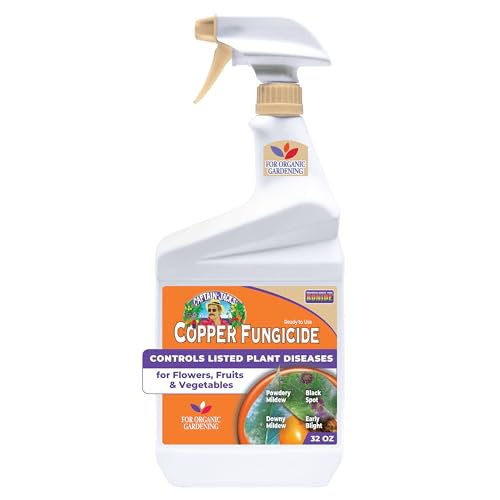
1 Immediately spray the plant with an organic insecticide/miticide to kill the spider mites and their eggs.
2 Increase humidity and reduce dry heat by misting the plant or using a pebble tray to make the environment less hospitable for mites.
3 Carefully wipe the leaves with a damp cloth to physically remove the fine webbing and any remaining mites from the plant surface.
warning

Tetranychus urticae (European Red Spider Mite)

A specific strain of spider mite that is highly resistant to many pesticides and specifically targets slow-growing succulents. The webbing often appears more dense around the tight rosette center where moisture might linger slightly longer.

Common
lightbulb
How to confirm: Inspect the undersides of the fleshy leaves for tiny reddish or yellowish dots which are the mites themselves.
build How to fix it
shopping_cart Recommended Products
1 Isolate the plant immediately and spray the entire rosette, especially the undersides of leaves, with an organic miticide to kill existing mites and eggs.
2 Use yellow sticky traps placed near the plant to capture adult mites and monitor for new infestations.
3 Improve airflow around the rosette and ensure the soil is not staying too damp, as high humidity can encourage mite activity.
warning

High Humidity/Condensation Webbing

While rare, if water is trapped in the rosette of a Black Prince Echeveria during cool nights, it can create a film that mimics fine webbing or promotes fungal hyphae growth. This is usually accompanied by leaf translucency or rot rather than just dry webs.

Common
lightbulb
How to confirm: Check if the 'webbing' feels sticky or damp and if the leaves underneath are softening or turning mushy.
build How to fix it
shopping_cart Recommended Products
1 Inspect the center of the rosette for any signs of mushy, translucent leaves or dark rot, and carefully remove any dead or decaying material to prevent fungal spread.
2 Improve airflow around the plant and ensure the rosette remains dry by avoiding overhead watering, especially during evening or cool hours.
3 If the plant shows signs of fungal growth, apply an organic fungicide to protect the healthy tissue.

Other Echeveria Black Prince problems

Your plant might also be experiencing one of these issues:

local_hospital All symptoms eco All plants with fine webbing
favorite