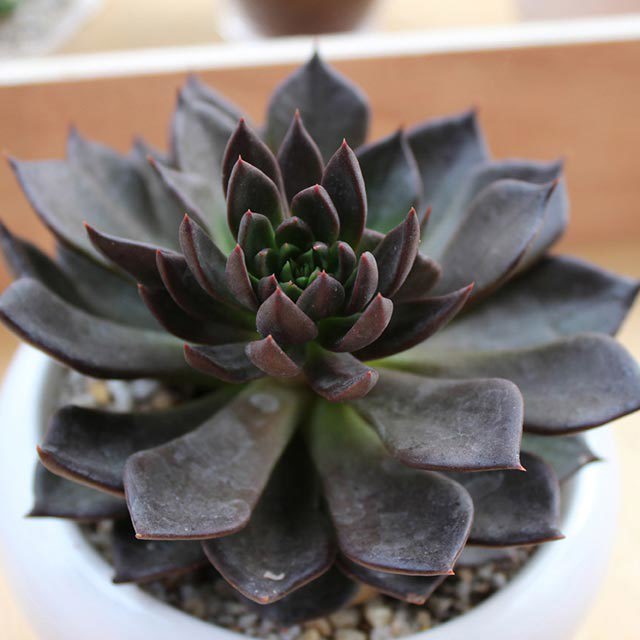
Echeveria Black Prince Yellow Leaves
eco Yellow Leaves

Echeveria Black Prince – Yellow Leaves

Why does your Echeveria Black Prince have yellow leaves? Diagnose the cause and fix it with our step-by-step guide.

pets Pet Friendly

search Possible Causes

error

Overwatering and Root Rot

Echeveria Black Prince are succulents that store water in their fleshy leaves; excessive moisture prevents roots from breathing, leading to cellular breakdown and yellowing. This is the most frequent cause of leaf discoloration in dark-pigmented succulents.

Very Common
lightbulb
How to confirm: Gently squeeze a yellow leaf to see if it feels mushy or translucent, and check if the soil remains damp several days after watering.
build How to fix it
shopping_cart Recommended Products
1 Immediately remove the plant from its current pot and inspect the roots; trim away any mushy, black, or foul-smelling roots using sterilized tools.
2 Repot the Echeveria in a well-draining succulent medium, incorporating perlite to improve aeration and prevent future water retention.
3 Use a moisture meter to monitor the soil, ensuring you only water when the substrate is completely dry to prevent further root rot.
warning

Nutrient Deficiency (Nitrogen)

A lack of nitrogen prevents the plant from producing chlorophyll, causing older leaves to turn pale yellow before progressing toward the center. This often happens if the potting medium has become depleted over several growing seasons.

Common
lightbulb
How to confirm: Observe if the yellowing starts specifically on the oldest, bottom-most leaves while new growth remains dark and healthy.
build How to fix it
shopping_cart Recommended Products
1 Apply a nitrogen-rich organic fertilizer to replenish the depleted soil nutrients and restore chlorophyll production.
2 Repot the Echeveria in fresh, well-draining potting medium to provide a new reservoir of essential minerals.
3 Monitor the soil moisture levels using an analog meter to ensure you are not overwatering, which can exacerbate yellowing.
warning

Insufficient Light Exposure

While 'Black Prince' requires high light to maintain its deep pigmentation, extreme low light can cause the plant to lose its dark color and turn a yellowish-green as it struggles to photosynthesize effectively.

Common
lightbulb
How to confirm: Check if the leaves are stretching toward a light source (etiolation) alongside the loss of their characteristic dark purple/black hue.
build How to fix it
shopping_cart Recommended Products
1 Move your Echeveria to a location with much brighter, direct sunlight to restore its dark pigmentation and support photosynthesis.
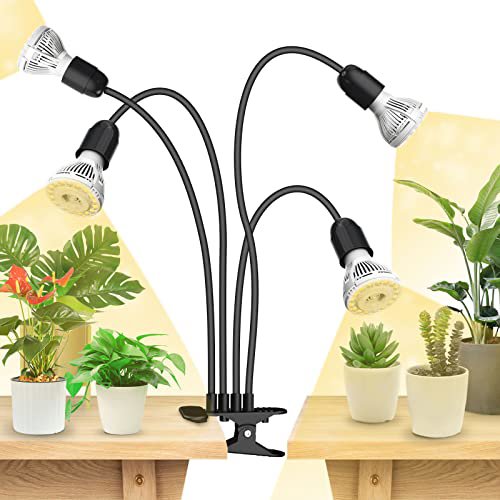
2 If natural light is insufficient, supplement with a full-spectrum LED grow light to provide the necessary intensity for this succulent.
3 Monitor the soil moisture closely, as insufficient light often leads to slower water evaporation and potential root issues.
warning

Temperature Stress (Cold Damage)

Exposure to temperatures below 40°F (4°C) can damage the cell walls of Echeveria, causing the tissue to turn yellow or even translucent as a stress response.

Common
lightbulb
How to confirm: Check if the yellowing occurred immediately following a period of frost or a sudden drop in nighttime temperatures.
build How to fix it
shopping_cart Recommended Products
1 Immediately move your Echeveria to a warmer environment, ensuring temperatures remain consistently above 50°F (10°C) to prevent further cell damage.
2 Monitor the soil moisture closely using a moisture meter to ensure the plant is not being overwatered while in a stressed, low-metabolism state.
3 Prune any leaves that have become mushy or translucent to prevent rot from spreading to the healthy center of the rosette.

Other Echeveria Black Prince problems

Your plant might also be experiencing one of these issues:

local_hospital All symptoms eco All plants with yellow leaves
favorite